



Have you ever paused to contemplate the intricate marvel of how our bodies absorb nutrients? It’s a complex and vital process that underscores the sophistication of our digestive system. Nutrient absorption is not just a simple act; it is a highly coordinated sequence of events through which our bodies extract, process, and transport essential substances from the food we consume into our bloodstream.
Have you ever paused to contemplate the intricate marvel of how our bodies absorb nutrients? It’s a complex and vital process that underscores the sophistication of our digestive system. Nutrient absorption is not just a simple act; it is a highly coordinated sequence of events through which our bodies extract, process, and transport essential substances from the food we consume into our bloodstream. This journey begins in the moment we take a bite, as our digestive system goes to work to break down food into its fundamental components including vitamins, minerals, carbohydrates, proteins and fats.
When our bodies are functioning optimally, they transform the food we consume into vital energy with remarkable efficiency. However, this intricate system can falter due to a myriad of factors, such as chronic stress, medications, aging, or an unbalanced diet. When even a single component of this nutritional absorption system is compromised, your ability to uptake crucial nutrients can be diminished significantly.

Nutrients embark on a vital journey through our bloodstream, reaching the tissues and organs that require them most urgently. This intricate process unfolds in a series of crucial steps:
- Stomach Acid: Plays a crucial role in dissolving and breaking down food for easier digestion.
- Digestive Enzymes: Secreted by the pancreas and intestines, these enzymes transform nutrients into forms that the body can readily absorb.
- Small Intestine: Lined with tiny, finger-like projections known as villi, this organ effectively absorbs nutrients and delivers them directly into the bloodstream.
- Gut Microbiome: A healthy microbiome maintains balance in the digestive system and can even synthesise essential vitamins, supporting overall health.
Understanding Nutrient Absorption
Chewing is not merely a preliminary phase of eating; it serves as the vital first step in the intricate process of digestion. When we chew, we engage our teeth in a mechanical dance that breaks food into smaller, more manageable pieces, while simultaneously mixing it with saliva, a key player in the digestive process. Saliva, infused with enzymes like amylase, initiates the breakdown of carbohydrates, beginning the transformation of our food into a form that our bodies can utilise. The more thoroughly we chew our food, the more we facilitate the complex processes that follow. When we take the time to truly chew and savour each bite, we significantly ease the work that our stomach and intestines must perform. Properly chewed food offers a greater surface area for digestive enzymes to act upon, allowing our bodies to more efficiently extract and absorb nutrients. This initial act of chewing lays the groundwork for a smoother journey through the digestive tract.
Once the food has been adequately chewed and swallowed, it descends into the stomach, a muscular organ where the next phase of digestion occurs. Here, the food encounters a powerful cocktail of hydrochloric acid and enzymes, which work diligently to further break down the food’s components and release essential nutrients. This acidic environment not only helps to denature proteins, making them more accessible for digestion, but it also plays a crucial role in killing harmful bacteria that may accompany our meals. After being transformed into a semi-liquid substance known as chyme, the food is then propelled into the small intestine, where the bulk of nutrient absorption takes place. The walls of the small intestine are lined with tiny finger-like projections called villi, which dramatically increase the surface area available for absorption. Through these villi, nutrients such as vitamins, minerals, carbohydrates, fats, and proteins are absorbed into the bloodstream, which then transports them throughout the body to nourish cells and support vital bodily functions.
However, it is important to note that not all nutrients are absorbed equally; some require specific conditions to be absorbed effectively. For instance, the fat-soluble vitamins A, D, E, and K necessitate the presence of dietary fats to be absorbed properly, while certain minerals may require adequate levels of stomach acid for optimal assimilation. This intricate dance of digestion, starting from the moment food enters our mouths, underscores the importance of mindful eating and the foundational role that chewing plays in our overall health and well-being. By appreciating the significance of each step in this complex process, we can make more informed choices that contribute to our digestive health and our body’s ability to thrive.
The Absorption of Supplements
Navigating the world of food supplements can be a daunting task, especially when it comes to ensuring they are absorbed effectively by the body. Unbeknownst to many, numerous supplements travel through the digestive system without being fully utilised, rendering them less effective or even altogether ineffective. Timing, format, and combinations matter significantly in optimising their benefits, and making informed choices can lead to a more fruitful supplementation experience. To achieve maximum benefit from supplements, it’s essential to understand the best practices surrounding their intake. Many experts recommend taking supplements with food unless stated otherwise. This strategy not only aids digestion but also enhances absorption, as the presence of dietary fats and various nutrients can enhance the bioavailability of certain supplements. When selecting supplements, opting for bioavailable forms is also crucial. For instance, Magnesium Glycinate is far superior to magnesium oxide in terms of absorption efficiency. Prioritising these forms can help you unlock the full potential of the supplements you incorporate into your daily routine. Furthermore, pairing supplements mindfully can significantly influence their effectiveness.
For instance, Vitamin D is known for its role in calcium metabolism and bone health and it works synergistically with Vitamin K2. This powerful duo ensures that calcium is utilised correctly in the body, preventing the potential pitfalls of calcium supplementation alone, such as arterial calcification. Similarly, iron, an essential mineral for red blood cell production, benefits dramatically from the presence of Vitamin C during absorption. Vitamin C enhances iron’s bioavailability, making this combination a staple for those looking to boost iron levels effectively. However, caution is warranted, as specific combinations or methods of supplementation can inadvertently hinder absorption. Calcium carbonate, for example, requires a sufficiently acidic environment in the stomach for optimal absorption. People who are older or those taking acid-reducing medications may find it challenging to absorb this form of calcium efficiently, leading to potential deficiencies over time. In addition, Vitamin B12, crucial for nerve health and energy production, may also suffer from suboptimal absorption in those exhibiting low stomach acid levels or conditions such as atrophic gastritis. This can diminish the efficacy of B12 tablets, necessitating alternative forms of supplementation, such as sublingual or injectable routes that bypass these barriers.
Moreover, multivitamins that combine iron with calcium or magnesium can create competition for absorption in the digestive tract. This interference can limit the body’s ability to utilise these essential minerals effectively, reducing the overall impact of supplementation efforts. Therefore, understanding the intricacies of absorption dynamics and nutritional interactions is vital for anyone serious about enhancing their health through supplements. In summary, while food supplements can be valuable tools for improving overall health and well-being, their effectiveness relies on proper timing, forms, and pairings. By taking the time to educate yourself on the unique requirements of each supplement, you can maximise their benefits and pave the way for a healthier and more balanced lifestyle. Embrace the journey of supplementation with knowledge and awareness, and watch as your body flourishes with the nutrients it needs for optimal health.

The Overlooked Importance of Absorption
When it comes to nutrition, most of us are quick to zero in on the foods we consume fixating on what fills our plates. However, an equally important, if not more crucial, aspect is how efficiently our bodies extract and utilise the nutrients found in those foods. Imagine the process as akin to pouring water into a sponge. A brand-new sponge has an impressive ability to soak up every last drop, but an older, worn-out sponge is prone to letting much of that liquid slip through its porous surface. In a similar vein, our bodies have a dynamic capacity for nutrient absorption that can fluctuate significantly over time. As we journey through life, various physiological changes can impact our capacity to absorb essential nutrients. Ageing brings a gradual decline in several systems integral to this process. For instance, one of the first things to happen is a reduction in stomach acid levels, which are vital for breaking down food and facilitating the assimilation of key nutrients. This decrease can lead to a diminished ability to absorb certain vitamins and minerals, particularly critical ones like vitamin B12, calcium, and iron.
The gut lining, which plays a crucial role in nutrient absorption, may thin with age. This thinning can significantly impair the gut’s ability to effectively absorb nutrients from the foods we eat, often causing older adults to miss out on vital health benefits even if their diet remains unchanged. In addition, the populations of beneficial bacteria residing in our gut, which are instrumental in digesting food and absorbing nutrients, tend to decline as we age. This loss can lead to an imbalance in gut health, making nutrient absorption even more challenging. Therefore, it is essential to realise that simply eating a balanced diet is not enough. The body’s ability to absorb those nutrients is critical for maintaining overall health and vitality. This understanding prompts an important question: How can we support our bodies in optimising nutrient absorption as we age? Strategies may include incorporating probiotic-rich foods to bolster gut health, ensuring adequate hydration to support digestive processes, and perhaps even consulting with healthcare providers about possible supplementation for nutrients that may be more challenging to absorb.
In summary, while the focus on what we eat is significant, how well our bodies absorb those nutrients deserves equal attention. Recognising the intricate relationship between age and nutrient absorption empowers us to make informed dietary choices that promote long-term health and well-being. After all, maximising nutrient absorption is not just about filling our plate as it’s also about nourishing our bodies in the most effective way possible.
Natural Methods to Enhance Nutrient & Supplement Absorption
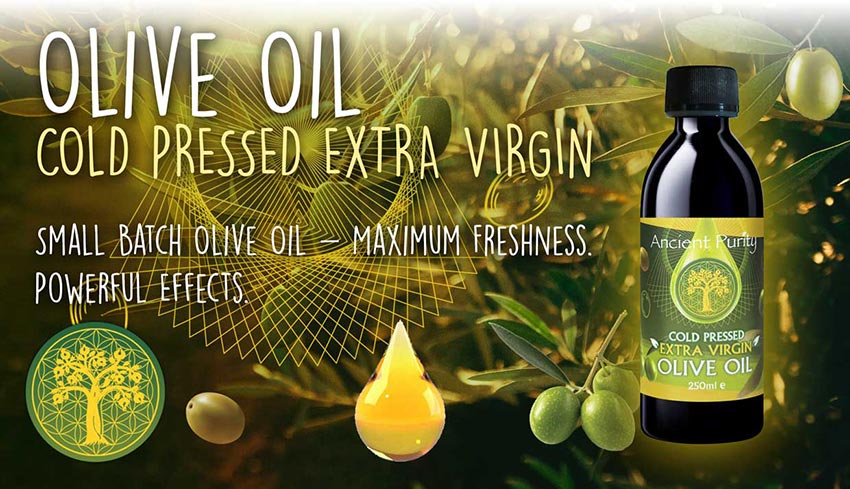
You don’t need to be a medical expert to enhance the body’s natural ability to absorb nutrients effectively. A wealth of natural strategies can empower you to optimise nutrient absorption without a medical degree. One of the simplest yet most impactful methods is to incorporate healthy fats into your meals. Foods like olive oil, avocados, and nuts are not just delicious; they play a vital role in the absorption of fat-soluble vitamins, namely A, D, E, and K. These vitamins are essential for numerous bodily functions, including maintaining healthy vision, supporting the immune system, and fostering bone health. When you include a drizzle of Premium Organic Extra Virgin Olive Oil or a handful of nuts in your salads or cooked vegetables, you’re significantly boosting your body’s ability to utilise these essential nutrients. Moreover, the way you prepare your vegetables can dramatically affect their nutrient bioavailability. Cooking nutrient-rich vegetables like carrots, kale, and sweet potatoes with a small amount of healthy fat not only enhances their flavour but also increases the availability of vital nutrients for your body to absorb. Lightly sautéing kale in olive oil, for instance, doesn’t just make it more palatable; it also allows for better absorption of its beneficial compounds.
One common obstacle to optimal nutrient absorption, particularly in older adults, is low stomach acid. This condition can impede the body’s ability to break down and assimilate nutrients from food. However, natural remedies can provide significant assistance. For example, starting your meals with a tablespoon of Apple Cider Vinegar mixed with water can help stimulate the production of stomach acid. Likewise, bitter greens, such as arugula and dandelion, can encourage better digestive enzyme release. Lastly, incorporating digestive bitters into your routine may further assist in breaking down food for more effective nutrient absorption. An equally crucial aspect of nutrient absorption lies in the health of your gut lining and the balance of your microbiome. A flourishing gut microbiome is essential for the effective absorption of nutrients, and incorporating fermented foods like yogurt, kimchi, and kefir into your diet can support the growth of beneficial bacteria. These foods are rich in probiotics, which can enhance gut health and digestive efficiency. Additionally, fuelling those friendly microbes with fibre-rich prebiotic foods, such as garlic, onions, and oats, helps to create an environment where beneficial bacteria can thrive.
To achieve optimal nutrient absorption, it is also imperative to minimise your intake of ultra-processed foods and added sugars. These products can disrupt the delicate balance of your gut microbiome, leading to gastrointestinal dysbiosis and compromising your body’s ability to effectively absorb nutrients. By prioritising whole, nutrient-dense foods and maintaining a balanced diet rich in healthy fats, fibre, and fermented options, you can significantly enhance your body’s capacity to absorb the nutrients it needs to thrive. In summary, empowering yourself with knowledge about these natural strategies can lead to remarkable improvements in your nutrient absorption, allowing you to harness the full potential of the foods you eat without needing a medical degree.
Unlock the full potential of your supplements by mastering the art of timing:
- Separate Your Iron & Calcium: These essential minerals compete for absorption, so spread them out to maximize their benefits.
- Pair Vitamin D &Oomega-3s with your Richest Meal: Enhance their absorption by enjoying them during your heaviest meal of the day for optimal effect.
- Adhere to Label Instructions & Don’t Hesitate to Consult with a Healthcare Professional: They can provide tailored advice on timing and dosages to suit your individual needs By fine-tuning when you take your supplements, you can elevate your health journey to new heights!
How Ageing Affects Nutrient Absorption & What You Can Do to Mitigate It
From the very first moments of life, our bodies embark on a remarkable journey of growth and development, and one of the most critical aspects of this journey is the digestive process. Digestive efficiency, the production of enzymes, and overall gut health are all pivotal in determining how effectively we extract nutrients from the food we consume and the supplements we take. However, just as our metabolism and hormonal balance evolve as we age, so too does our body’s ability to absorb these essential nutrients. During Infancy, our digestive systems are still maturing, making it crucial to provide easily digestible foods that harmonise with our developing enzymatic capabilities. This period lays the foundation for a lifetime of nutritional health, relying heavily on the right balance of breast milk or formula, which is specifically designed to meet the needs of a growing baby. As we transition into Childhood and Adolescence, the body experiences significant growth spurts, increasing nutritional demands, and changing digestive capacities. During these years, a diverse diet rich in vitamins, minerals, and macronutrients becomes essential to support not only physical development but also cognitive growth and emotional well-being. Understanding the nutritional priorities at this stage can empower caregivers to make informed choices that enhance gut health and maximise nutrient absorption. Entering Adulthood, our digestive systems generally operate at their peak efficiency, but even then, various factors can influence nutrient absorption. Lifestyle choices such as diet, stress levels, and physical activity all play a role in maintaining a healthy gut and ensuring that we are deriving maximum benefits from the foods we consume. It’s also a time when individuals may choose to incorporate dietary supplements to meet specific health goals, making it even more important to understand how these supplements will interact with their digestive capabilities. As we progress into Older Adulthood, our bodies undergo fundamental changes that can significantly impact our digestive efficiency. Age often brings about a decrease in enzyme production and alterations in gut flora, which can lead to challenges in nutrient absorption. Recognising these changes is vital for adapting dietary choices and supplement regimens to accommodate the body’s evolving needs. Emphasising nutrient-dense foods that are easier to digest, along with gut-friendly probiotics, can aid in maintaining optimal digestive health even in later years. In essence, understanding the dynamic nature of nutrient absorption throughout the lifespan empowers people to make more informed dietary and supplement choices tailored to their unique life stage. By embracing this knowledge, we can support our bodies at each phase of life, ensuring we nourish ourselves effectively and maintain our health and vitality for years to come. OK, let’s break it down…
From Infancy to Adolescence – Building the Foundation
During the critical phases of early life, specifically infancy, childhood, and adolescence, the body exhibits a remarkable capacity for nutrient absorption. This heightened ability is largely attributed to several physiological factors: infants and young children possess potent stomach acid, a thriving and diverse microbiome, and an insatiable metabolic demand driven by the rapid pace of growth and development. Collectively, these elements work in harmony to ensure that the body effectively captures and utilises the essential nutrients needed for various vital functions. During these formative years, specific nutrients play pivotal roles in shaping long-term health and well-being. For instance, iron is crucial for the development of healthy red blood cells, while calcium and vitamin D work together to build a strong skeletal structure. Zinc contributes significantly to cellular growth and repair, and vitamin B12 is integral for maintaining optimal brain health and supporting the nervous system. The early years are not just about growth in size; they are about laying the foundation for future health, and the right nutrients make all the difference.
While the body’s designed mechanisms for nutrient absorption are typically robust during this stage of life, it’s important to understand that they are not infallible. Even in the presence of natural efficiency, factors such as poor dietary choices and underlying digestive issues can complicate nutrient uptake, leading to potential deficiencies that may hinder growth and development. A diet lacking in diversity or rich nutrients can lead to a missed opportunity for maximising health in these pivotal years. Thus, the early life stage is a double-edged sword; while the body is ideally primed for absorbing nutrients, it is also sensitive to the quality of the diet and the functioning of the digestive system. Parents and caregivers must remain vigilant to ensure that children receive a balanced diet rich in essential vitamins and minerals, as this lays the groundwork for a lifetime of health, resilience, and well-being. The stakes are high, and the choices made in these formative years can have profound implications for the person in years to come. Here you can purchase Full Spectrum Tasty Children’s Multi Vitamins & Minerals.

Adulthood (20s to 40s): Navigating Maintenance Amidst Modern Disruptions
The efficiency of nutrient absorption in adults typically remains robust; however, numerous modern lifestyle factors can significantly disrupt this vital process. Daily stressors, whether they come from work, relationships, or other sources, can take a toll on the body’s ability to properly absorb and utilise essential nutrients. Coupled with the prevalence of low-fibre diets that often favour convenience over nutrition, the body’s nutrient absorption capabilities can be further compromised. The consumption of processed foods, laden with preservatives and lacking in vital nutrients, detracts from the body’s nutritional needs. Furthermore, excessive intake of alcohol and caffeine can lead to dehydration and nutrient depletion, disrupting the delicate balance required for effective nutrient absorption. Common medications, such as antacids and antibiotics, can also interfere with the absorption of critical vitamins and minerals, potentially leaving people vulnerable to nutrient deficiencies. As a result of these factors, it’s not uncommon for adults to experience borderline deficiencies in essential nutrients most notably magnesium, B vitamins and vitamin D. These deficiencies can manifest in various ways, including fatigue, weakened immune responses, and mood disturbances, making it vital to address them.
For those under chronic stress, recovering from illness, or those following restrictive diets, such as vegans, vegetarians, and plant-based eaters, targeted supplementation can serve as a crucial strategy to bridge the nutritional gaps that diet alone may not satisfy. High-quality supplements tailored to individual needs can play an essential role in enhancing overall health, supporting energy levels, and promoting well-being. Here you can purchase Premium Multi-Vitamins & Minerals for Men & Women.
Incorporating thoughtfully chosen supplements into your daily routine can empower you to not only address deficiencies but also support your body’s recovery and resilience in the face of modern life’s challenges. By taking proactive measures, individuals can reclaim their health and ensure their bodies receive the vital nutrients needed to thrive.
Midlife Transition – Embracing Change in Your 40s to 60s
As people reach midlife, a myriad of subtle yet significant changes often emerge, particularly with regards to digestion. This natural progression in life is accompanied by a gradual decline in the production of stomach acid and digestive enzymes, which can impact the body’s ability to absorb essential nutrients. Key nutrients like vitamin B12, calcium, iron, and magnesium may not be absorbed as efficiently, prompting a need for increased awareness about dietary intake. Moreover, this life stage frequently coincides with hormonal fluctuations that can further alter nutritional requirements and metabolic processes. For women experiencing perimenopause or menopause, these changes are especially pronounced, making it vital to pay close attention to specific nutrients that are critical for overall health. Calcium and vitamin D emerge as particularly essential in this phase, as they play a crucial role in maintaining bone density and strength. The combination of Vitamin D3 & Vitamin K2 is especially beneficial, as it not only supports bone health but also contributes to cardiovascular wellness, creating a holistic approach to well-being. In addition to bone health, the significance of B12 and magnesium cannot be overstated. These nutrients are fundamental in maintaining energy levels, regulating mood, and ensuring quality sleep. As the body undergoes various transformations during midlife, ensuring a steady supply of these vital nutrients can greatly enhance one’s quality of life.
This pivotal period underscores the importance of prioritising gut health. An optimised digestive system is essential for effective nutrient absorption and overall vitality. For some people, incorporating digestive enzyme support into meals can significantly enhance their ability to break down food and absorb nutrients. Additionally, consuming small amounts of Premium Apple Cider Vinegar before meals is a time-honoured natural remedy that can stimulate stomach acid and promote healthy digestion. As we navigate the complexities of midlife, understanding these changes and taking proactive steps can lead to a more vibrant and healthier life. By focusing on proper nutrition, gut health, and the right supplements, it’s possible to embrace this stage with renewed energy and resilience. So, consider making these small adjustments; they can have a profound effect on your overall health and well-being as you move through this transformative phase of life.

Supporting Gut Health in Older Adults (65+)
As we age, our bodies undergo a variety of changes that significantly impact our nutritional health, particularly in the realm of digestion and nutrient absorption. One of the key changes that many experience is a decline in stomach acid levels, a condition known as hypochlorhydria. This reduction in stomach acid can create a cascade of issues that hinder our ability to effectively absorb critical nutrients such as vitamin B12, iron, calcium, zinc, and protein. Stomach acid plays an essential role in breaking down food and facilitating the absorption of these vital nutrients. Without adequate levels of hydrochloric acid, our bodies struggle to extract and utilise the nutrients we consume. Compounding the challenge, the body’s production of digestive enzymes also tends to decrease with age. These enzymes are crucial for the breakdown of food into its component nutrients, and their diminished production can further impede absorption, leaving older adults at a higher risk for nutrient deficiencies. Here you can purchase Plant-Based Digestive Enzyme Complex. In addition to these physiological changes, our gut microbiome, the diverse community of microorganisms residing in our intestines, also shifts as we age. This microbiome is essential for overall health, helping to regulate digestion, produce essential vitamins, and protect against harmful pathogens. Alterations to this delicate ecosystem can result in further difficulties with nutrient uptake. Alongside these microbial changes, the integrity of the intestinal lining itself may also decline, leading to reduced nutrient absorption capacity and increased permeability, often referred to as “leaky gut.”
The situation can be exacerbated by the long-term use of medications, common among older adults, which can interfere with nutrient absorption. Conditions such as diabetes, cardiovascular disease, and gastrointestinal disorders further complicate matters, increasing the likelihood of nutritional deficiencies. It is not uncommon for older adults to face deficiencies in critical nutrients such as vitamin B12, calcium, vitamin D, zinc, and omega-3 fatty acids. These deficiencies can lead to a range of health issues, from anaemia and weakened bones to impaired immune function. In addition to the nutritional challenges posed by ageing, many older people experience a reduction in overall energy production. This slowdown can be particularly pronounced for those taking statin medications, which are known to deplete the body’s natural levels of coenzyme Q10 (CoQ10). CoQ10 is vital for energy production at the cellular level and provides antioxidant protection. Therefore, supplementing with CoQ10 becomes especially pertinent for older adults, particularly those on statins, to help mitigate the energy declines associated with these medications.
In summary, as we experience the complexities of ageing, the interplay between diminished stomach acid, reduced digestive enzyme production, changes in gut health, and the impacts of chronic medications presents a formidable challenge to maintaining optimal nutrient status. It is crucial for older adults to be aware of these issues and consider proactive measures to support their nutritional health, helping to safeguard against deficiencies and promote overall well-being.
Tailored Supplementation Can Effectively Counteract These Changes:
- B12 absorption is significantly enhanced through injections, making it a more efficient choice than oral intake.
- For people with low stomach acid, Calcium Citrate is the superior option compared to calcium carbonate.
- The combination of Vitamin D3 with K2 not only promotes better calcium utilisation but also supports overall bone health.
- Omega-3 Fatty Acids are vital for maintaining brain and heart health, while high-quality probiotics play a crucial role in restoring gut balance and boosting immunity.
Enjoying smaller, nutrient-rich meals spread throughout the day can enhance digestion and overall well-being. By focusing on cooked vegetables, lean proteins, and healthy fats, you can significantly improve nutrient absorption and enhance your body’s use of these vital elements.

Personalised Nutrient Testing
Are you feeling fatigued, battling digestive discomfort, or plagued by recurring illnesses? If so, you might be experiencing the repercussions of nutritional deficiencies or poor nutrient absorption. In these cases, a thorough nutrient testing could be your key to unlocking a healthier, more vibrant life. Many people often rely solely on dietary changes to address their health issues, but sometimes, despite great effort, nutrition alone may not be enough. Essential nutrients like vitamin D, B12, iron, folate, and magnesium play crucial roles in your overall well-being, and deficiencies in these areas can lead to a cascade of health problems. Comprehensive testing is a proactive approach to identify these deficiencies. These simple yet powerful tests can reveal insights into your nutrient levels that your diet might not be effectively addressing. Imagine having a clearer understanding of what your body needs, allowing you to make informed decisions tailored specifically to your nutritional requirements. When you receive your test results, you’ll take the first step towards empowerment. You’ll discover whether you need to adjust your food choices, tweak your daily habits, or perhaps incorporate targeted supplements to restore balance. Personalised strategies that incorporate the right dietary adjustments, habits, and supplements can not only help you overcome current challenges but can also lay a strong foundation for enduring health. By addressing nutrient gaps, you’re setting yourself up for improved energy levels, enhanced digestion, and a stronger immune system.
So, if you find yourself grappling with low energy, digestive disturbances, or frequent bouts of illness, remember that you don’t have to travel this journey alone. Nutrient testing is not just a smart decision; it’s a pivotal step towards revitalising your health and optimising your body’s function for a lifetime of well-being. Take charge of your health today and uncover the transformative power of understanding your nutrient needs!
“The food you eat can be either the safest and most powerful form of medicine, or the slowest form of poison.” – Ann Wigmore


