


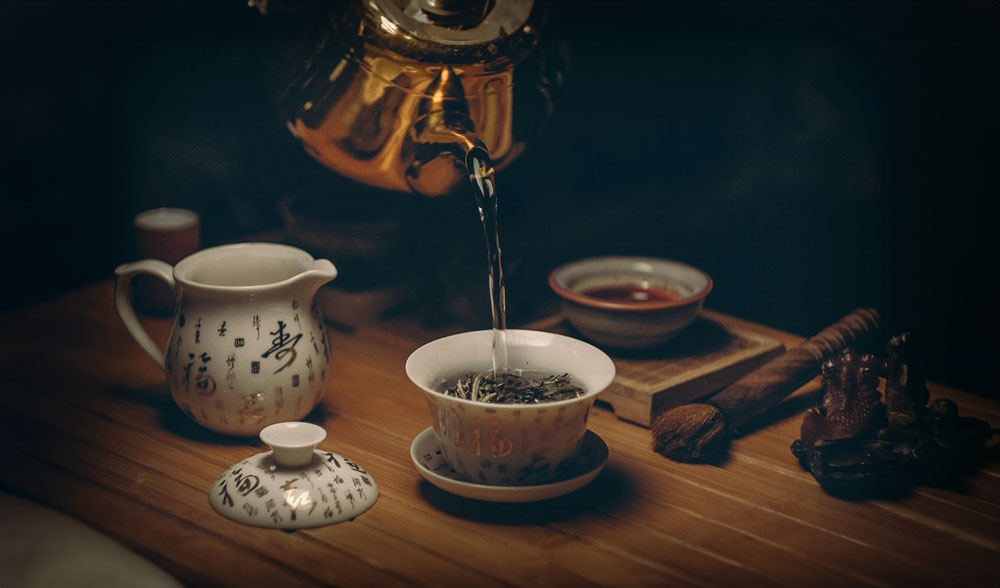
Tea has long held a prominent place in English culture, symbolising tradition, social interaction, and comfort. Its popularity is reflected in the numerous afternoon teas, tea houses, and the widespread consumption across all social classes. The ritual of brewing and sharing tea is deeply ingrained in daily life, making it an integral part of the nation’s identity. Personally, as a Dutchman, I find myself more inclined towards coffee, which I prefer for its bold flavour and energising qualities. Nonetheless, the enduring popularity of tea in England highlights its cultural significance and the unique customs associated with it.
OK, let’s focus on this article’s topic. Certain teas may aid you in shedding pounds, thanks to plant compounds called catechins that can boost your metabolism. While further research is necessary, experts highlight a few teas with the most promising potential. If you enjoy drinking tea, you’re likely aware of its health benefits. Tea is recognised for its medicinal properties and ranks as the second most consumed drink worldwide. But can drinking tea actually help you lose weight? The evidence regarding tea’s influence on weight management has been somewhat inconsistent. Here’s what scientists currently know and what remains uncertain about how tea may affect body weight. Replacing high-calorie drinks with tea could be a simple way to reduce calorie intake; for instance, swapping a sugary Capuchino for a calorie-free tea at your local coffee shop could save you hundreds of calories.

Research also indicates that tea might directly support weight loss. The catechins present in tea can potentially increase your metabolic rate by encouraging your body to break down fats more efficiently and burn more energy. Catechins are potent antioxidants found in plants. Among these, four main catechins are prevalent in tea: epicatechin (EC), epigallocatechin (EGC), epicatechin gallate (ECG), and epigallocatechin gallate (EGCG). Of these, EGCG is by far the most abundant and is believed to be the primary contributor to many of tea’s health benefits, based on scientific reviews.
There are numerous varieties of tea, each with distinct flavours and properties, resulting from differences in processing, region of origin and plant strains. These variations also influence their nutritional profiles, suggesting that some types may be more effective for weight loss than others. However, it’s important to note that many studies examining tea’s effects are conducted using capsules or tablets, which often deliver concentrated doses of compounds like EGCG, rather than brewed tea. Additionally, some research involves animal studies or small human trials, which limits the generalisability of the findings.
More large-scale human studies involving brewed tea are needed to better understand its potential role in weight management. Nonetheless, health experts agree that plain, unsweetened brewed tea is generally a healthy beverage choice. So, go ahead and enjoy that warm cup of tea. While joyfully sipping tea, I would like to encourage you exploring this list of the best teas for weight loss…
Green Tea
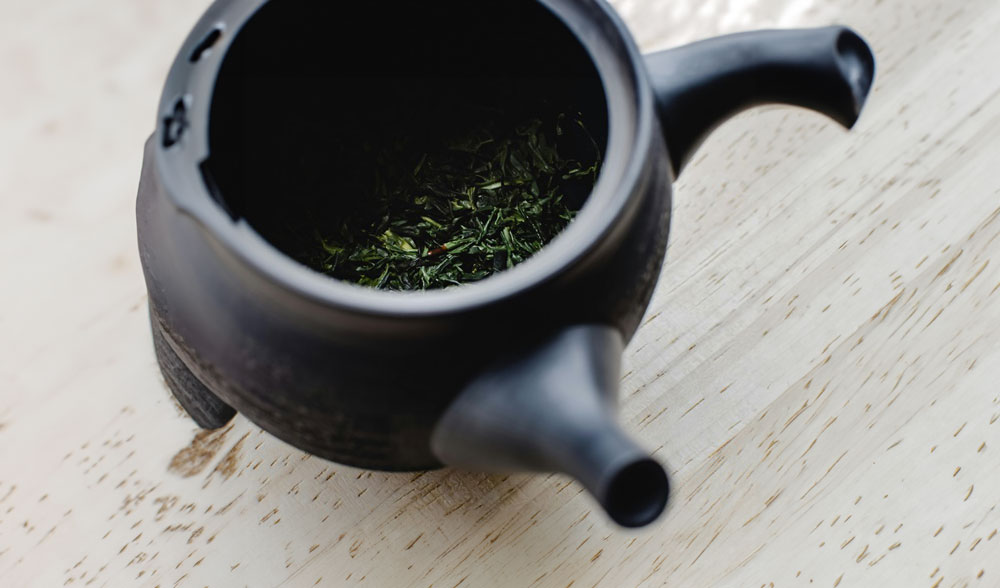
Most conversations about tea and weight loss tend to start with green tea and for good reason. Of all the teas, this mild, bittersweet variety has the most research to back up its potential weight loss benefits. For example, one study found that those who drank two cups of Green Tea per day for more than ten years had a lower percentage of body fat and a smaller waist than nonregular green tea drinkers. The researchers simply observed an association between drinking Green Tea and having a smaller waist, not a cause-and-effect relationship. Also, the researchers relied on survey data, which may have left room for error. The calorie-burning effects of Green Tea may stem from the combined effects of EGCG and caffeine, which appear to work synergistically: Studies have reported that caffeine must be present with EGCG to aid in weight loss because a stimulated nervous system is needed for optimal results. According to a review of research, Green Tea was only effective for weight loss when it was combined with 80 to 300 milligrams (mg) of caffeine per day. Moreover, the EGCG and caffeine in Green Tea may target fat cells in particular. Another study found that taking 300 mg of EGCG in supplement form for three days helped increase fat oxidation (the process of breaking down fatty acids). Per other research, 300 mg of EGCG is about what you’d find in three cups of brewed Green Tea. In addition, EGCG can inhibit fat cell development, so the body doesn’t form new fat cells. Research in animals suggests that the catechins in Green Tea interfere with the process of fat absorption and metabolism, according to another research article. However, more research is needed to determine the actual effects of Green Tea on weight loss, due to the aforementioned limitations to previous studies.
Black Tea
After harvesting, Black Tea leaves undergo a process of oxidation, which involves exposing them to air for a longer period compared to other teas, as described in various sources. This extended oxidation intensifies the tea’s flavour, making Black Tea one of the most robust and bold varieties available. During this process, often referred to as “fermentation,” the chemical composition of the leaves change, particularly affecting polyphenols, plant compounds known for their health benefits. While Black Tea contains EGCG, a powerful antioxidant also found in less processed teas, It is notably richer in theaflavins. These compounds form during oxidation and may provide help in weight management, according to scientific reviews. For instance, some research indicates that people who drink three cups of powdered Black Tea daily tend to experience modest weight loss and waistline reduction over three months, compared to those who abstain. However, these effects seem to plateau by six months, suggesting that the weight-related benefits of Black Tea might be temporary or limited. The polyphenols in Black Tea are believed to support weight management by reducing calorie intake and hindering the absorption of fats and carbohydrates. Additionally, they might influence gut bacteria composition in a way that could help combat obesity. In one study involving obese mice fed a high-fat, high-sugar diet supplemented with Black Tea extract, the animals lost weight equivalent to that of mice on a low-fat diet after four weeks. Analysis of their intestinal bacteria revealed a decrease in microbes associated with obesity and an increase in those linked to lean tissue. Despite these promising findings, it’s important to note that current evidence is not definitive. More comprehensive research is necessary to determine whether these effects are applicable to humans and to better understand Black Tea’s potential role in weight management and overall health.

White Tea
White Tea is undoubtedly my favourite. Although it tends to be quite expensive in Thailand, I believe it is well worth the investment for its delicate flavour and unique qualities. Because I have such a strong appreciation for this tea, I would like to take a moment to elaborate further on its qualities and what makes it so special to me. According to a comprehensive review, *White Tea is distinguished as the least processed of all tea varieties, a characteristic that contributes significantly to its light, delicate flavour profile. This minimal processing not only preserves its subtle taste but also ensures that White Tea retains a high concentration of beneficial compounds, notably anti-inflammatory antioxidants and the potent fat-burning catechin known as EGCG. These properties position white tea as a potentially advantageous drink for those seeking to support weight management efforts. Research suggests that White Tea may play a role in accelerating the breakdown of existing fat cells while simultaneously inhibiting the formation of new ones. For instance, one laboratory study demonstrated that white tea extract could stimulate the decomposition of human fats and prevent the development of new fat cells in test tubes. These effects were largely attributed to the presence of EGCG, a powerful antioxidant known for its metabolic benefits. However, it is important to recognise that while such in vitro studies provide valuable insights and help guide future research directions, their findings do not automatically translate to real-world outcomes in humans. More comprehensive human clinical trials are necessary to confirm whether White Tea can reliably support weight loss and metabolic health in everyday life. Nonetheless, the existing evidence underscores the promising potential of White Tea as a healthful, natural aid in weight management strategies.
* White Tea is often regarded as the most delicate and minimally processed of all tea varieties, a distinction that significantly contributes to its unique qualities and appeal. Unlike green, black, or oolong teas, which undergo various degrees of oxidation and processing, white tea is harvested at an early stage and subjected to only gentle withering and drying. This minimal intervention preserves the tea’s natural antioxidants, subtle flavors, and delicate aroma, making it a truly pure expression of the tea plant’s essence. The limited processing not only enhances its light, nuanced taste but also ensures that white tea retains a high concentration of beneficial compounds, such as anti-inflammatory antioxidants and catechins like EGCG, which are often diminished in more heavily processed teas. This preservation of natural nutrients positions White Tea as a healthful drink with potential benefits ranging from anti-ageing properties to supporting weight management. Furthermore, the simplicity of its production process reflects a commitment to purity and tradition, offering tea enthusiasts a product that is as close to nature as possible. In essence, White Tea’s status as the least processed tea underscores its reputation as a refined, healthful, and authentic choice for those seeking a subtle yet powerful infusion.
Hibiscus Tea
This tart, tangy tea is harvested from hibiscus leaves and offers catechins like EGCG and has been shown to help lower blood pressure and cholesterol. One review of animal and human studies, for instance, suggests that hibiscus extract shows promise in the treatment of high blood pressure and high cholesterol, though the authors more research is needed before recommendations can be made. It may also help you keep your weight at a healthier level. In one study, adults who were overweight or obese who took a hibiscus extract for 12 weeks had reduced body weight, body mass index, body fat, and hip-to-waist ratio, compared with a control group. The researchers attributed those perks to the plant compounds in the hibiscus extract. Another study reported similar results from feeding obese mice hibiscus extract for 60 days, though studies of similar duration haven’t been conducted in humans. Unfortunately, current research is limited to hibiscus extract. More research with liquid tea is needed before scientists can make any conclusions about its effectiveness for weight loss.

Matcha Tea
In recent years, Matcha Tea has gained tremendous popularity as a super-food. Many health enthusiasts celebrate it for its numerous benefits, especially regarding weight loss. Understanding how Matcha Tea influences weight management requires exploring its unique properties. Let’s have a closer look at the science, benefits, and practical ways to incorporate Matcha into your weight loss journey. Matcha Tea is a finely ground powder derived from shade-grown green tea leaves. Unlike traditional steeped green teas, Matcha is consumed entirely, meaning you ingest the whole leaf. This process results in a concentrated source of nutrients, antioxidants, and other health-promoting compounds. Matcha contains exceptionally high levels of catechins, powerful antioxidants. These compounds facilitate thermogenesis, which increases calorie burning even when your body is at rest. The catechin epigallocatechin gallate (EGCG) is especially notable for its role in boosting metabolism and inhibiting the growth of fat cells. L-theanine, an amino acid in matcha, promotes calm alertness. Unlike caffeine in coffee, it provides sustained energy without jitteriness. This balance leads to improved focus during workouts and increased physical activity, key factors for weight loss. Numerous studies indicate that drinking Matcha can elevate your metabolic rate. Notably, it enhances fat oxidation, turning your body into a more efficient fat burner. Consequently, regular consumption supports long-term weight management.
Oolong Tea
This partially oxidised tea is a popular pick with a bolder flavour than green tea, yet one that is milder than black. Oolong contains a mixture of polyphenols that give green and black tea their claim to fame: catechins (green tea) and theaflavins (black tea), according to a review. Like these other tea varieties, Oolong also provides caffeine and may promote weight loss. For example, a study found that Oolong Tea extract helped increase fat burning in mice. Other research suggests these benefits may be true in humans, too, though larger studies are still needed. Another study found that men without obesity who drank Oolong Tea at breakfast and lunch saw a 20% boost in post-meal fat burn after 14 days. Men who drank an experimental caffeine drink saw similar results. Still, they didn’t burn as much fat during sleep as the Oolong group, suggesting that the tea’s caffeine content isn’t solely responsible for its effects. The fat-burning effects of Oolong Tea may lead directly to weight loss by aiding lipid metabolism, some researchers theorise. For example, a study found that drinking four cups of Oolong Tea per day helped adults who were overweight or obese lose weight. In fact, roughly 70% of the subjects with severe obesity (those with a body mass index higher than 35) lost more than 2.2 pounds by the end of six weeks, and 22 percent lost more than 6 pounds.
Rooibos Tea
Not only is Rooibos Tea celebrated for its rich flavour and antioxidant content, but many also believe it can support weight management efforts. But does scientific evidence back this claim? Let’s explore the relationship between Rooibos Tea and weight loss, offering insights, benefits, potential mechanisms, and practical tips to incorporate it into your health routine. Rooibos Tea, also known as red bush tea, is a herbal infusion derived from the leaves of the Aspalathus linearis plant native to South Africa. Unlike traditional black or green tea, rooibos is caffeine-free, making it suitable for people sensitive to stimulants. Its appealing reddish-brown hue results from fermentation during processing, which also enhances its antioxidants. Rooibos is packed with vital nutrients including: polyphenols (e.g., aspalathin, quercetin), flavonoids and minerals such as calcium, manganese and magnesium. This composition contributes to its health-promoting properties and potential influence on weight management. Although anecdotal reports are widespread, scientific studies remain limited but promising. A 2011 study observed that rats fed a high-fat diet and given rooibos extract experienced less weight gain and improved lipid profiles. Another small human trial indicated that participants drinking three cups of rooibos daily showed reduced waist circumference over six weeks. Researchers also observed lower cortisol levels, suggesting potential stress-reducing effects that could indirectly influence weight.

Pine Needles Tea
Natural remedies have gained popularity worldwide, especially as people seek healthier, sustainable ways to manage weight. Among these remedies, Pine Needles Tea has garnered attention for its potential benefits in supporting weight loss and promoting overall health. This paragraph explores the weight loss benefits of Pine Needles Tea. Pine Needles Tea is a traditional infusion made from the freshly harvested or dried leaves of pine trees. It has been used in herbal medicine for centuries in various Asian cultures. The tea boasts a rich profile of antioxidants, vitamins, and bioactive compounds that are believed to promote health. First, Pine Needles Tea contains compounds that stimulate metabolism. Increased metabolic activity means the body burns calories more efficiently, thus aiding weight reduction efforts. Secondly, the tea functions as a gentle diuretic. It helps eliminate excess water weight and reduces bloating, providing a leaner appearance. Third, regular consumption may help curb appetite. Pins for appetite suppression include bioactive components influencing hunger signals. Furthermore, the tea’s invigorating properties activate energy levels, encouraging physical activity and exercise routines crucial for weight loss. In conclusion, Pine Needles Tea presents a natural, potentially effective supplement for weight management. Its rich antioxidant composition and metabolic support properties align well with healthy weight-loss strategies. However, it should complement balanced diet and exercise rather than replace established methods.
Healthy Tea Smoothie Recipes
Here are some healthy tea smoothie recipes that combine the benefits of tea with nutritious ingredients for a delicious and revitalising drink:
Green Tea & Berry Detox Smoothie
Ingredients:
- 1 cup brewed Green Tea (cooled)
- 1/2 cup mixed berries (strawberries, blueberries, raspberries)
- 1 banana
- 1/2 cup Greek yogurt
- 1 tablespoon raw honey or agave syrup (optional)
- Ice cubes (as needed)
Instructions:
- Brew Green Tea and let it cool completely.
- In a blender, combine the cooled Green Tea, berries, banana, Greek yogurt & honey.
- Blend until smooth, adding ice cubes to achieve your desired consistency.
- Pour into a glass and enjoy an antioxidant-rich, refreshing smoothie.
White Tea & Mango Anti-Inflammatory Smoothie
Ingredients:
- 1 cup brewed White Tea (cooled)
- 1/2 cup fresh or frozen mango chunks
- 1/2 avocado
- 1 teaspoon grated ginger
- 1 tablespoon chia seeds
- Juice of half a lemon
- Honey or maple syrup to taste
Instructions:
- Brew White Tea & allow it to cool.
- Combine all ingredients in a blender.
- Blend until creamy and smooth.
- Serve immediately for a nutrient-dense, anti-inflammatory kick.

Hibiscus & Pineapple Vitamin C Smoothie
Ingredients:
- 1 cup brewed Hibiscus Tea (cooled)
- 1/2 cup pineapple chunks
- 1/2 cucumber
- 1/2 cup coconut water
- 1 tablespoon flaxseeds
- Fresh mint leaves (optional)
Instructions:
- Brew Hibiscus Tea & let it cool.
- Place all ingredients in a blender.
- Blend until well combined.
- Garnish with mint leaves if desired & enjoy a hydrating, vitamin C-rich smoothie.
These recipes are versatile and can be adjusted to suit your taste preferences. Incorporating tea into smoothies not only enhances flavour but also enhances their health benefits.
“The first sip is joy, the second is gladness, the third is serenity, the fourth is madness, the fifth is ecstasy.” – Jack Kerouac


