


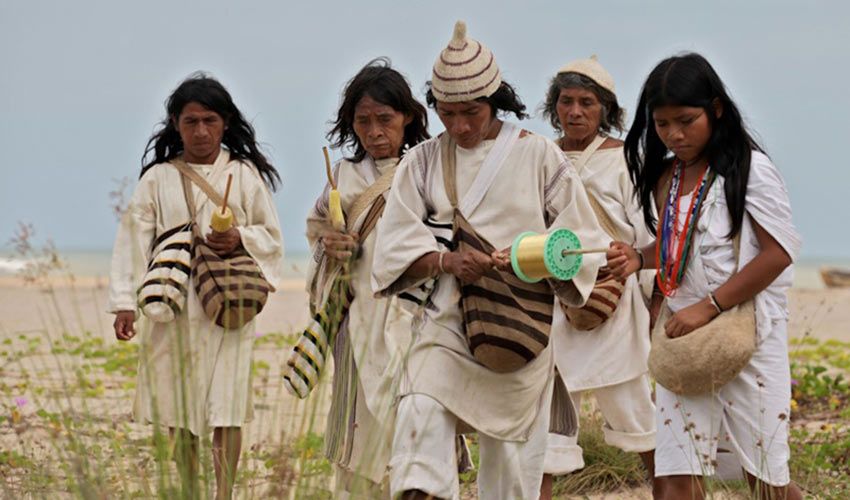
Several months ago, I stumbled upon a captivating documentary on YouTube that delved deep into the lives of the Kogi Tribe, an indigenous community nestled in the lush mountains of Colombia. My longstanding fascination with indigenous cultures has always drawn me to their unique worldviews, rituals, and ways of life. However, the insights shared by the Kogi Tribe transcended mere curiosity; they profoundly resonated with me and opened my eyes to wisdom that often eludes modern society.
Several months ago, I stumbled upon a captivating documentary on YouTube that delved deep into the lives of the Kogi Tribe, an indigenous community nestled in the lush mountains of Colombia. My longstanding fascination with indigenous cultures has always drawn me to their unique worldviews, rituals, and ways of life. However, the insights shared by the Kogi Tribe transcended mere curiosity; they profoundly resonated with me and opened my eyes to wisdom that often eludes modern society. The documentary offered a rare glimpse into the everyday lives of the Kogi people, showcasing their intricate relationship with nature and the spiritual depth that underpins their existence. The Kogi, descendants of the ancient Tairona civilisation, live in relative isolation, preserving their traditions and customs in a world that is rapidly changing around them. Their way of life is a testament to their enduring connection to the Earth, as they navigate the delicate balance between civilisation and the natural world.
Throughout the film, I was struck by their philosophy, which emphasises a deep respect for all living things. The Kogi believe that every element of nature, be it mountains, rivers, or flora, possesses its own spirit and significance. This reverence is not just an abstract concept for them; it’s a guiding principle that informs their daily practices and communal decisions. The documentary beautifully illustrated how this worldview manifests in their agricultural practices, sustainable living, and spiritual ceremonies. Their commitment to maintaining harmony with nature is both inspiring and a sharp contrast to contemporary society’s often exploitative relationship with the environment. One of the most poignant moments in the film was when a Kogi elder, dressed in traditional white garments, articulated the need for humanity to reconnect with the Earth and acknowledge its wisdom. He spoke of a “Younger Brother”, a term they use to describe modern society, who has forgotten the lessons that nature holds. His message was not one of despair, but rather a call to action, urging us to listen and learn from indigenous wisdom as we face an increasingly challenging world.
The Kogi Tribe’s Unique Social Structure
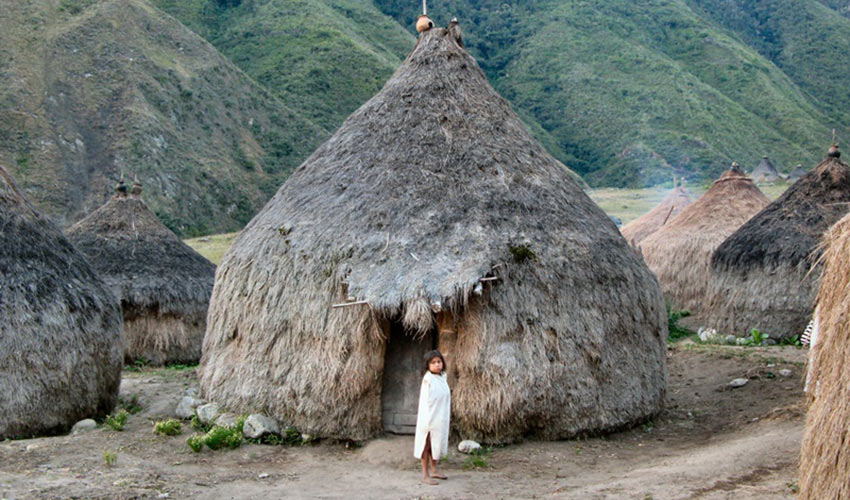
The documentary also explored the Kogi Tribe’s unique social structure, which is organised around community-oriented values. Their emphasis on cooperation and collective well-being over individualism offers a profound contrast to the often self-centered narrative prevalent in modern culture. Through communal rituals, storytelling, and shared responsibilities, the Kogi foster a strong sense of identity and belonging that many people today long for. Their community possesses a distinctive social structure that intricately weaves together spirituality, environmental stewardship, and communal living. At the heart of Kogi society is the concept of “Mamma,” spiritual leaders who are not only guardians of the tribe’s cultural knowledge but also serve as mediators between the physical and spiritual worlds. These Mamas undergo rigorous training from a young age, often in isolation, to attain deep wisdom about the intricate balance of their ecosystem and the soft forces that govern life. The Kogi’s societal organisation is matrilineal, meaning lineage is traced through the mother, which creates a strong sense of community and responsibility among families. Decisions are typically made collectively, reflecting the Kogi belief that harmony with nature and a connection to their ancestors guide their choices. This unique structure extends beyond mere governance; it is an embodiment of their reverence for the Earth, which they view as a living entity deserving of respect and protection. The Kogi’s social fabric, thus, is tightly interwoven with their environmental ethics and spiritual beliefs, highlighting a profound understanding of sustainability that has persisted for centuries, serving as a powerful counter-narrative to modern industrial societies. Their commitment to maintaining their traditions in the face of external pressures showcases not only their resilience but also an urgent message for global ecological awareness.
Spiritual Beliefs
The Kogi Tribe harbours a rich tapestry of spiritual beliefs deeply intertwined with their understanding of the universe and their role within it. At the core of Kogi spirituality is the reverence for nature, which they perceive as a living entity imbued with spiritual significance. The Kogi believe that all elements of the environment including mountains, rivers, plants, and animals possess a spirit that contributes to the harmony of existence. They hold that humankind is a custodian of the Earth, tasked with maintaining the balance between nature and civilisation. The Kogi also practice a complex system of ceremonies, including the sacred ritual of the “Mamos,” the spiritual leaders who undergo intense training to connect with the divine and mediate between the physical and spiritual worlds. Their belief system emphasises the cyclical nature of life and the importance of living in harmony with all beings, reinforcing a profound sense of communal responsibility. The Kogi view modernity and industrialisation as threats to this balance, prompting them to advocate for the preservation of their ancestral lands and traditional ways of life. Their spiritual beliefs not only shape their identity but also echo a profound wisdom about ecological stewardship, urging a return to a more respectful and harmonious relationship with the natural world.
The Kogi Perspective on Modernity & Industrialisation
The Kogi people offer a profound critique of modernity and industrialisation through their deeply rooted spiritual worldview, which prioritises harmony with nature over technological advancement. Viewing themselves as the “Elder Brothers” of humanity, the Kogi perceive the accelerated pace of modern life and rampant exploitation of natural resources as a direct threat to the balance of the Earth. Their philosophy emphasises a symbiotic relationship between mankind and the environment, advocating for sustainable practices rooted in ancestral wisdom. This holistic approach starkly contrasts with the extraction-driven motivations of industrialisation, which the Kogi argue disrupts the delicate ecosystems that are vital for both human survival and spiritual health. By standing firm against the encroachment of modernity, the Kogi seek not only to preserve their own cultural identity but also to serve as a cautionary voice for the world, urging a reevaluation of societal values in favour of a more integrative and ecologically-conscious existence that respects the rhythms of nature and maintains the integrity of the planet for future generations.

The Kogi’s Diet – A Harmonious Dance with Nature
The Kogi embody a profound understanding of ecological balance through their traditional diet, which is deeply intertwined with their cultural and spiritual beliefs. Rooted in the lush, mountainous region of the Sierra Nevada de Santa Marta, their diet primarily consists of maize, beans, and a variety of tubers, complemented by the rich bounty of the surrounding rainforest. The Kogi practice sustainable agriculture, utilising organic farming techniques that are respectful of their environment, ensuring the preservation of biodiversity. Their foraging activities include gathering fruits, nuts, and medicinal herbs, which are not only vital for nutrition but also hold sacred significance in their cosmology. Unlike many modern dietary practices that prioritise convenience over sustainability, the Kogi’s approach emphasises a symbiotic relationship with nature; they view food as a sacred gift that must be honoured and shared within the community. By adhering to their ancestral dietary traditions, the Kogi not only sustain their physical health but also reinforce their identity, connection to the land, and responsibilities as guardians of the Earth, making their diet a compelling testament to the power of living in harmony with nature.
The Kogi’s Reverence for All Living Creatures
The Kogi embody a deep-seated respect for the intricate web of life that surrounds them, reflecting a profound understanding of the interconnectedness of all living creatures. Their worldview, shaped by centuries of harmonious coexistence with nature, emphasises the belief that every element, be it a tree, an animal, or a rock possesses a spirit and a function within the grand tapestry of existence. This reverence manifests in their sustainable agricultural practices, where they cultivate crops without depleting the earth’s resources and engage in rituals that honour the spirits of the animals they depend on for sustenance. The Kogi view themselves as guardians of the Earth, called the “Elders” of their ancestral lands, and their teachings emphasise the need to protect nature from external threats, especially the destructive forces of modernity that seek to exploit it. Through their stories, songs, and ceremonies, they impart wisdom about the need for respect and balance in our relationships with all creatures, urging outsiders to recognise the significance of their actions and the broader implications for the planet’s health. In embracing this holistic philosophy, the Kogi not only sustain their way of life but also offer invaluable lessons in stewardship and humility to a world often at odds with its environment.
The Kogi’s Healthcare System – A Harmonious Blend of Tradition & Nature
The Kogi people have a unique healthcare system that intricately weaves together traditional practices and a profound respect for nature, emphasising holistic well-being. Central to their health philosophy is the concept of “Mama,” the spiritual leaders who serve not only as healers but also as keepers of ancestral knowledge, guiding the community in matters of physical and spiritual health. The Kogi prioritise natural remedies derived from local flora, utilising herbs and plants whose healing properties have been honed over generations, ensuring that treatments align with their rich cultural heritage. Community gatherings play an essential role in the healthcare process, fostering collective support and shared responsibility for well-being, while rituals and ceremonies reinforce the interconnectedness of health, environment, and cultural identity. By maintaining a symbiotic relationship with their surroundings and upholding ancient traditions, the Kogi demonstrate a resilient healthcare model that not only addresses physical ailments but also nourishes the spirit, setting a poignant example for modern societies grappling with the challenges of healthcare sustainability and cultural erosion.
“A lot of indigenous cultures are deeply involved in working with ancestor spirits, elemental spirits, and demons. Many of these cultures feel that, if you don’t deal properly with ancestor spirits, then they come back and infest the living in the form of things like depression, addictive patterns, and neuroses. We in the modern West completely deny the existence of these spirits or other types of entities. And because we’ve denied them, we may have opened the gates for them to manipulate us in a lot of ways.” – Daniel Pinchbeck


