



While we often hear about the essential roles of B-vitamins, vitamin C, and vitamin E in maintaining our health, there is one vitamin that frequently slips under the radar: Vitamin A. This powerhouse nutrient may not garner as much attention in discussions about vitamins, but its significance in our overall well-being cannot be overstated. Despite its myriad benefits, vitamin A deficiency remains a global health concern, particularly in developing countries.
While we often hear about the essential roles of B-vitamins, vitamin C, and vitamin E in maintaining our health, there is one vitamin that frequently slips under the radar: Vitamin A. This powerhouse nutrient may not garner as much attention in discussions about vitamins, but its significance in our overall well-being cannot be overstated. Despite its myriad benefits, vitamin A deficiency remains a global health concern, particularly in developing countries. This deficiency can lead to serious health issues, including impaired immunity and increased mortality rates in vulnerable populations, especially young children and pregnant women. Awareness and education about the importance of vitamin A are critical in addressing this issue and promoting better public health.
Vitamin A is a critical nutrient composed of a group of lipid-soluble compounds known collectively as retinoic acids (RA). These compounds, fundamental for many bodily functions, consist of a chain of four isoprenoid units arranged in a linear structure. The significance of Vitamin A was first recognised in 1913, marking its distinction as the first fat-soluble vitamin to be discovered. Remarkably, long before modern science uncovered its importance, ancient Egyptian civilisations understood that consuming liver could remedy conditions such as night blindness, showcasing an early awareness of the nutrient’s vital role in vision and health.

In addition to Vitamin A, other essential fat-soluble vitamins include D, E, and K, each playing unique roles in maintaining various bodily functions. Vitamin A, in particular, is indispensable for several critical health processes. It plays a crucial role in vision by aiding in dark adaptation, ensuring that our eyes can adjust effectively to low-light environments. Beyond vision, Vitamin A is essential for a robust immune response, facilitating the body’s ability to ward off infections. It is also important for bone growth and reproduction, maintaining the integrity of the corneal and scleral surfaces, as well as preserving the epithelial lining of vital systems, including the respiratory, urinary, and gastrointestinal tracts. Additionally, Vitamin A has a significant influence on gene expression, impacting numerous biological processes at the cellular level. Despite the critical importance of Vitamin A, Vitamin A deficiency (VAD) remains a pressing global health issue. It disproportionately affects vulnerable populations, particularly young children in low- and middle-income countries, where almost one-third of children under five are impacted. In regions like South Asia and Sub-Saharan Africa, the prevalence of VAD is alarmingly high, with nearly 44% and 48% of children affected, respectively. The consequences of VAD are dire; it is associated with severe morbidity and mortality, particularly in cases of measles and diarrhoea, where up to 95% of deaths linked to VAD occur in these areas. The primary drivers of Vitamin A deficiency include insufficient intake of Vitamin A-rich foods and inadequate dietary diversification, factors that contribute to a cycle of malnutrition and poor health outcomes.
However, there is a glimmer of hope. Over the past two decades, global efforts to combat Vitamin A deficiency have yielded significant progress, with the prevalence of VAD in children reducing from 39% to 33%. This decline reflects successful public health initiatives aimed at improving dietary intake of Vitamin A and raising awareness about the importance of incorporating diverse, nutrient-rich foods into diets. Continued efforts are essential to further reduce these numbers and ensure that all children receive the essential vitamins necessary for their growth, development, and overall well-being. By emphasising education, dietary diversification, and access to nutrient-rich foods, we can make strides toward eliminating Vitamin A deficiency and safeguarding the health of future generations.

Sources of Vitamin A
Vitamin A is an essential nutrient that comes from our diet in two primary forms: preformed Vitamin A and provitamin A. Preformed Vitamin A, which is also known as retinol, is found mostly in animal-based foods. The richest sources of this type of Vitamin A are organ meats like liver and kidney. Other sources include various meats and dairy products. On the other hand, provitamin A consists of carotenoids, such as β-carotene, α-carotene, and β-cryptoxanthin. These are predominantly found in colourful fruits and vegetables, especially those that are yellow or orange, as well as in green leafy vegetables. However, the bioavailability, or the body’s ability to absorb and utilise, provitamin A is lower compared to preformed Vitamin A, typically around 20-30%. When we consume Vitamin A, our bodies convert these precursors into two key active forms: all-trans retinoic acid and 11-cis retinol. All-trans retinoic acid plays a crucial role in cellular differentiation and gene expression, helping to regulate cellular functions and development. Meanwhile, 11-cis retinol is vital for our vision; it is a critical component of the visual pigments rhodopsin and iodopsin, which are essential for seeing in low-light conditions. Let’s have a closer look at foods providing Vitamin A…
Vitamin A exists in two primary forms in the diet: preformed vitamin A (retinol) and provitamin A (carotenoids). Understanding the food sources of these forms can help ensure adequate intake.
Preformed Vitamin A (Retinol): This form is readily absorbed and utilised by the body. It is found in animal products.
Provitamin A Carotenoids: These are plant-based compounds that the body can convert into retinol. The most well-known carotenoid is beta-carotene, which gives carrots their vibrant orange color.
Animal Sources of Vitamin A
- Liver: Liver is one of the richest sources of vitamin A. Beef, chicken, and fish liver can contain extraordinarily high levels of retinol. A common serving of liver (about 3 ounces) can provide several times the daily recommended intake for adults.
- Dairy Products: Whole milk, cheese, and yogurt contain significant amounts of vitamin A. For instance, one cup of whole milk provides around 10% of the daily requirement. These products also offer additional benefits, such as calcium and protein.

- Fish: Fatty fish like salmon, mackerel, and tuna are excellent sources of preformed vitamin A. They not only supply vitamin A but are also rich in omega-3 fatty acids, which are essential for heart health and brain function
- Eggs: Egg yolks are another valuable source of retinol. A single hard-boiled egg contains about 6% of the recommended daily allowance, making them a practical option for those looking to boost their vitamin A intake.
Plant Sources of Vitamin A
- Carrots: Carrots are one of the most recognized sources of beta-carotene. A medium-sized carrot provides about 184% of the daily value. Eating carrots raw, cooked, or juiced can help increase intake.
- Sweet Potatoes: Sweet potatoes are another powerhouse of beta-carotene. One medium sweet potato can provide well over 400% of the daily requirement. They are versatile and can be baked, mashed, or incorporated into various dishes.
- Dark Leafy Greens: Spinach, kale, collard greens, and Swiss chard are excellent sources of carotenoids. These greens can easily be added to salads, smoothies, or cooked dishes. For example, one cup of cooked spinach offers about 105% of the daily value.
- Butternut Squash: This winter squash is not only delicious but also rich in beta-carotene. One cup of cooked butternut squash can provide approximately 457% of the daily requirement, making it a nutritious addition to soups and casseroles.
- Red & Yellow Bell Peppers: I love these colourful vegetables! They are excellent sources of beta-carotene, with a single bell pepper providing over 100% of the daily value. They add flavour and nutrition to salads, stir-fries, and many other dishes.
- Mangoes & Cantaloupes: These fruits are tasty options that also contain beta-carotene. One medium mango can provide about 35% of the daily requirement, while a cup of cantaloupe offers about 20%.
- Fortified Foods: In addition to natural sources, many foods are fortified with vitamin A, particularly breakfast cereals and dairy alternatives. Check nutrition labels for the added vitamin A content to enhance your intake.

Importance of Balanced Intake
While vitamin A is essential for health, it’s important to balance its intake. Excessive retinol, especially from supplements or animal sources, can lead to toxicity and health issues. Carotenoids, on the other hand, are generally considered safe even in high amounts as the body regulates their conversion to retinol. Incorporating a variety of foods from both animal and plant sources is the best way to ensure adequate vitamin A intake. A balanced diet enriched with liver, dairy, fatty fish, carrots, sweet potatoes, leafy greens, and colorful fruits can support overall health and well-being. Engaging with local seasonal produce and being mindful of food choices ensures not only optimal vitamin A levels but also a delicious and diverse diet.
Vitamin A Supplement – Liposomal
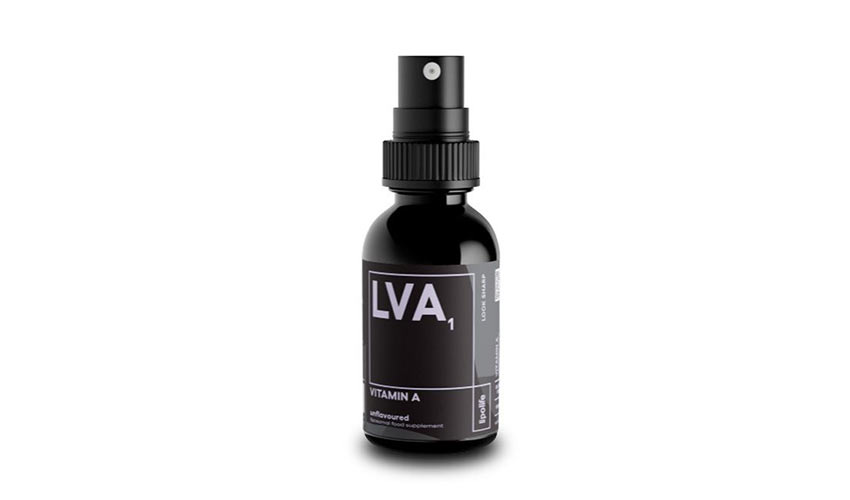
Ancient Purity supplies Liposomal Vitamin A, a remarkable oral spray meticulously crafted in the UK for superior cleanliness and exceptional bioavailability. This potent supplement is essential for a multitude of bodily functions, with its most celebrated benefit being the maintenance of healthy vision. Vitamin A is a vital component of rhodopsin, a specialised protein in our eyes that empowers us to see clearly in low-light and dimly lit environments. Beyond its visual advantages, Vitamin A plays a crucial role in supporting the immune system by preserving the integrity of skin and mucous membranes, which serve as critical barriers against infections. It is integral to the production and functionality of white blood cells, our body’s warriors in the fight against illness. Furthermore, this nutrient is indispensable for cell growth and development, particularly for epithelial cells that line organ surfaces and blood vessels. By regulating cell differentiation, Vitamin A ensures that cells mature properly and function as intended. Vitamin A is also pivotal for reproductive health in both men and women; it assists in sperm development in men while fostering healthy fetal growth during pregnancy. Its benefits extend to skin health, promoting cell turnover and managing sebum production, the oily substance that keeps skin hydrated and protected. Additionally, Vitamin A supports bone growth and remodeling, crucial for sustaining strong and resilient bones throughout life.

What sets our Liposomal Vitamin A apart is not only its remarkable efficacy but also its powerful antioxidant properties, enhancing overall well-being. This supplement has undergone rigorous testing to uphold the highest quality standards. Our commitment to excellence is reflected in an extensive assessment process that includes 12 weeks of accelerated stability studies, alongside 3 to 6 months of standard stability studies. Each batch is evaluated by our quality control department to ensure optimal stability and efficacy. This is the moment we have eagerly anticipated! Experience the benefits of a supplement that promises to transform your health and well-being!
Understanding Liposomal Delivery – A Revolutionary Approach in Drug & Nutrient Delivery Systems
In recent years, the field of drug delivery has witnessed remarkable innovations aimed at improving the efficacy and safety of therapeutic agents. Among the most exciting advancements is the development of Liposomal delivery systems. These innovative carriers hold the promise of enhancing the bioavailability of drugs, reducing side effects, and enabling targeted delivery to specific tissues or cells. This section explores the science behind Liposomal delivery, its applications, benefits, challenges, and future prospects.
What Are Liposomes?
Liposomes are small, spherical vesicles consisting of phospholipid bilayers that can encapsulate both hydrophilic (water-soluble) and hydrophobic (fat-soluble) substances. The structure of liposomes resembles a cell membrane, which allows them to interact with biological membranes easily. This unique characteristic makes them versatile carriers for a wide range of therapeutic agents, including drugs, vaccines, enzymes, and even genes.
Types of Liposomes:
Conventional Liposomes: These are the simplest forms, composed of natural or synthetic phospholipids and cholesterol.
Pegylated Liposomes: These liposomes have polyethylene glycol (PEG) chains added to their surface, which helps increase circulation time in the body and reduce recognition by the immune system.
Targeted Liposomes: Modified with specific ligands or antibodies, these liposomes can preferentially bind to particular types of cells or tissues, enhancing localised drug delivery.
How Liposomal Delivery Works
The Liposomal delivery system operates on the principles of biocompatibility and biodegradability. When administered, liposomes can encapsulate drugs and protect them from degradation or clearance in the bloodstream. They can also enhance the solubility of poorly water-soluble compounds, significantly improving their bioavailability.

Mechanism of Drug Release
Passive Diffusion: Liposomal membranes can fuse with cell membranes, allowing the encapsulated drug to be released directly into the cell.
Endocytosis: Cells can engulf liposomes through this process, leading to intracellular delivery of the drug after lysosomal fusion.
Controlled Release: Advanced formulations can be designed to release the drug in response to specific triggers, such as pH changes or temperature variations.
Applications of Liposomal Delivery
Liposomal delivery systems have broad applications in various fields, particularly in medicine and therapeutics. Key applications include:
Pharmaceuticals: Liposomes are widely employed for the delivery of anticancer drugs, antibiotics, and anti-inflammatory agents. Notable examples include Doxil (doxorubicin liposome formulation) and AmBisome (amphotericin B liposomal formulation).
Vaccines: Liposomes can enhance vaccine efficacy by serving as adjuvants, promoting a stronger immune response. They can also function as carriers for antigens.
Gene Therapy: Liposomes can encapsulate nucleic acids such as DNA and RNA, facilitating their delivery into cells for gene therapy applications.
Cosmetics & Nutraceuticals: In the cosmetic industry, liposomes are used to encapsulate active ingredients, enhancing skin penetration and stability. Similarly, in the nutraceutical space, Liposomal formulations have been used to improve the bioavailability of vitamins and supplements.
Benefits of Liposomal Delivery
The Liposomal delivery system offers numerous advantages, making it an attractive option for drug delivery:
Enhanced Bioavailability: Liposomes can improve the solubility and absorption of hydrophobic drugs, resulting in higher blood concentrations and improved therapeutic outcomes.
Targeted Delivery: With the ability to modify liposomes, drugs can be targeted to specific tissues or cells, minimizing systemic side effects and maximising therapeutic efficacy.
Reduced Toxicity: By limiting off-target effects, Liposomal formulations can reduce toxicities associated with traditional drug formulations, thereby enhancing patient safety.
Controlled Release: Formulations can be designed for controlled release, allowing for sustained therapeutic effects and improved patient compliance.
Challenges in Liposomal Delivery
Despite their advantages, liposomal delivery systems face several challenges:
Stability: Liposomes can be unstable in storage and under physiological conditions, leading to premature drug release or degradation.
Manufacturing Complexity: The production of liposomes involves sophisticated techniques that can be costly and time-consuming.
Scale-Up Issues: Translating liposomal formulations from laboratory scale to commercial scale can present challenges in maintaining quality and efficacy.
Regulatory Hurdles: As with any novel therapeutic, regulatory approval processes can be lengthy and require extensive safety and efficacy data.
Future Perspectives
The future of Liposomal delivery systems is promising, with ongoing research focused on overcoming existing challenges. Innovations in nanotechnology and materials science are paving the way for more advanced formulations that could revolutionise drug delivery. Some areas of focus include:
Smart Liposomes: Development of “smart” liposomes that respond to specific biological triggers for enhanced targeting and controlled release. These smart liposomes could utilise stimuli such as pH changes, temperature fluctuations, or specific enzyme environments to release their payload only when reaching targeted tissues or affected cells, minimizing unwanted side effects.
Combination Therapies: Liposomes could be designed to co-deliver multiple therapeutic agents, enabling combination therapies that can target different pathways of disease simultaneously. This approach is particularly promising in oncology, where multi-modal treatment regimens are often more effective than monotherapy.
Personalised Medicine: The integration of Liposomal delivery systems with genomic and proteomic information could pave the way for personalised therapies. By tailoring liposomal formulations to individual patient profiles, healthcare providers can create customised treatment plans that optimise efficacy and minimise toxicity based on a patient’s unique response to specific drugs.
Nanotechnology Advancements: Continued advancements in nanotechnology are expected to enhance the design and functionality of liposomes, with possibilities such as improving stability, increasing loading capacity, and achieving targeted delivery in more efficient ways. The incorporation of nanoparticles into Liposomal structures could bring about synergies that improve their therapeutic effectiveness.
Regenerative Medicine: Research is examining the use of liposomes in regenerative medicine, particularly in delivering growth factors or stem cell-associated compounds to promote tissue repair and regeneration.

Conclusion
Liposomal delivery systems represent a revolutionary approach in drug and nutrient delivery, offering enhanced bioavailability, targeted therapeutic effects, and reduced side effects. With ongoing advancements in technology, manufacturing processes, and regulatory approaches, the potential applications of liposomal formulations are vast. As researchers and developers continue to navigate the challenges associated with these delivery systems, liposomes may well become an integral part of the future landscape of medicine, enhancing treatment strategies across a broad spectrum of diseases and conditions. By harnessing the power of Liposomal technology, we are moving closer to realising more effective and safer therapeutic options for patients worldwide.
Vitamin A Smoothie Ideas
Mango Carrot Smoothie
Ingredients:
- 1 cup mango chunks (fresh or frozen)
- 1 medium carrot, peeled and chopped
- 1/2 banana
- 1 cup spinach (fresh or frozen)
- 1 cup coconut water or almond milk
- Optional: 1 tablespoon chia seeds
Instructions:
- Add all ingredients to a blender.
- Blend until smooth, adjusting the liquid as necessary for your desired consistency.
- Serve immediately and enjoy!
Sweet Potato & Orange Smoothie
Ingredients:
- 1/2 cup cooked sweet potato (cooled)
- 1 orange, peeled and segmented
- 1/2 cup Greek yogurt (or a dairy-free alternative)
- 1/2 teaspoon cinnamon
- 1 cup almond milk or any milk of your choice
- Optional: 1 tablespoon honey or maple syrup for sweetness
Instructions:
- Combine all ingredients in a blender.
- Blend until fully combined and smooth.
- Taste and adjust sweetness if necessary before serving.
Peach & Spinach Smoothie
Ingredients:
- 1 cup fresh or frozen peaches
- 1 cup fresh spinach
- 1/2 cup plain yogurt (or a dairy-free alternative)
- 1 tablespoon flaxseeds or hemp seeds
- 1 cup orange juice or coconut water
Instructions:
- Place all ingredients in a blender.
- Blend until smooth, adding more liquid if needed.
- Pour into a glass and enjoy!
Papaya & Kale Smoothie
Ingredients:
- 1 cup ripe papaya, peeled and deseeded
- 1 cup kale leaves (stems removed)
- 1/2 banana
- 1 tablespoon lemon juice
- 1 cup coconut milk or any plant-based milk
- Optional: A small piece of ginger for an extra kick
Instructions:
- Add all ingredients to a blender.
- Blend well until creamy and smooth.
- Serve chilled and enjoy!
Carrot-Apple Ginger Smoothie
Ingredients:
- 1 medium carrot, peeled and chopped
- 1 apple, cored and sliced (leave the skin on for extra nutrients)
- Small piece of fresh ginger (peeled)
- 1 cup spinach or kale
- 1 cup water or coconut water
- Optional: 1 tablespoon lemon juice for added zing
Instructions:
- Combine all ingredients in a blender.
- Blend until smooth, adding more liquid if needed.
- Enjoy your nutrient-packed smoothie!
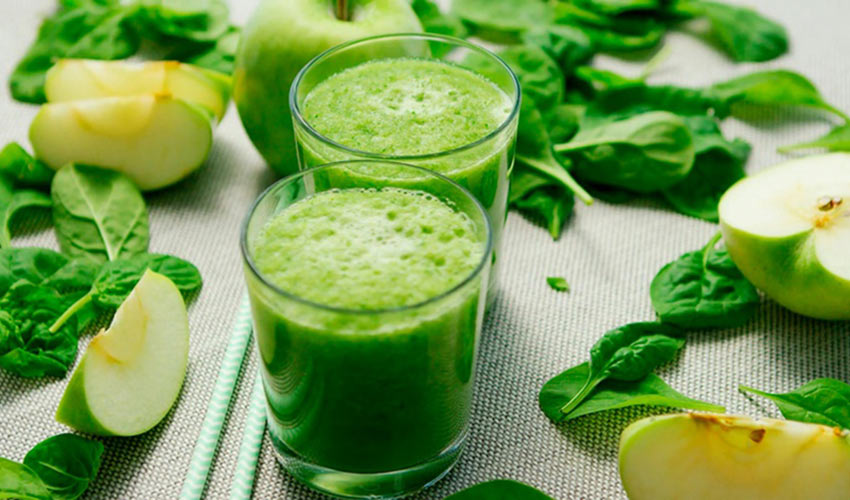
These smoothies incorporate ingredients high in Vitamin A, such as carrots, sweet potatoes, spinach, and various fruits. Enjoy blending!
“Vitamin A is essential for maintenance and normal regeneration of mucosal barriers, such as the gut epithelium.” – Sarah Ballantyne, The Paleo Approach: Reverse Autoimmune Disease, Heal Your Body


