


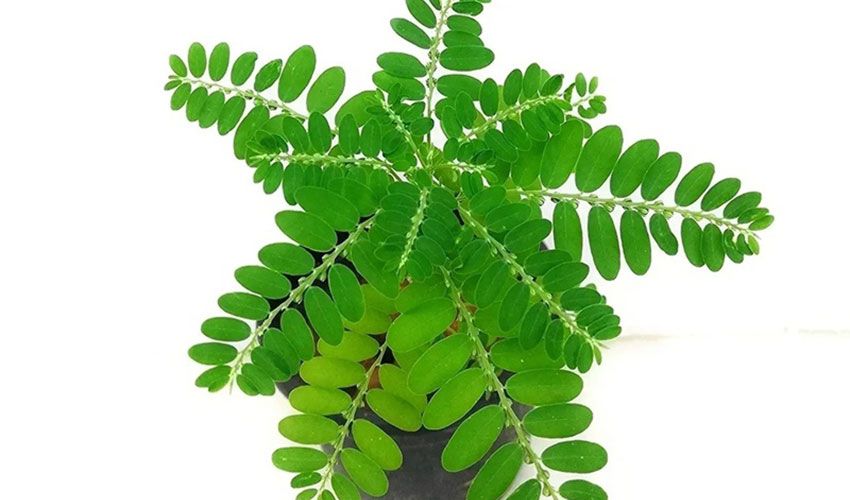
I wrote several articles for this blog before about Thailand having a rich heritage of traditional medicine. It is deeply rooted in the use of medicinal herbs, a practice passed down through generations. Renowned for its lush biodiversity, the country offers a vast array of healing plants that have long been integral to Thai wellness and holistic health. Among these, Phyllanthus Niruri, commonly known as the “stonebreaker” herb, is rapidly gaining recognition for its potent therapeutic properties. In 2012, I endured the excruciating ordeal of kidney stones, a painful experience that has shaped my health journey ever since. Since then, I’ve made it a daily ritual to incorporate Phyllanthus Niruri Powder into my routine. I truly believe in the power of this remarkable herb; it feels like a protective shield, guarding me against the return of those debilitating stones. Celebrated for its ability to support liver health, combat kidney stones, and boost the immune system, Phyllanthus Niruri exemplifies the growing global interest in natural remedies. As modern science begins to validate these ancient traditions, the resurgence of such herbs underscores Thailand’s vital role in bridging ancient wisdom with contemporary health solutions.
Nicknamed “stonebreaker,” Phyllanthus Niruri, a remarkable shrub belonging to the Phyllanthaceae family, boasts a rich history within the field of traditional medicine, particularly within Ayurvedic, Chinese, and Malay systems. Its therapeutic properties have been revered for generations, making it a significant player in the world of ethnomedicine. Recent preliminary research conducted on cell cultures and animal models has unveiled compelling scientific evidence that supports the medicinal applications of this extraordinary plant. These foundational studies not only reinforce its long-held reputation in the traditional healing practices but also shine a light on its potential benefits, paving the way for further exploration and understanding of its effects. As we reveal the mysteries of Phyllanthus Niruri, we uncover a treasure trove of bioactive compounds that may hold the key to innovative treatments and improved health outcomes. Its popularity has surged globally, not only for its unique name but also for its remarkable health benefits, which are increasingly being supported by scientific research. Hopefully, some day Ancient Purity will supply Phyllanthus Niruri Powder as well.

Phyllanthus Niruri – Nutritional Profile
Phyllanthus Niruri is rich in bioactive compounds such as flavonoids, polyphenols, tannins, and alkaloids. These components contribute to its medicinal properties, offering a range of health benefits. The plant is also known for its vitamin C, fibre, and mineral content, which further enhances its nutritional value.
Health Benefits of Phyllanthus Niruri
- Kidney Health: This is why I’ve been taking it. One of the most well-documented benefits of Phyllanthus Niruri is its potential to support kidney health. Traditionally, it has been used to prevent and treat kidney stones. The herb may help dissolve calcium oxalate stones and support overall kidney function. Some studies suggest that the extract of Phyllanthus Niruri inhibits stone formation by reducing the levels of specific minerals in urine that contribute to kidney stone formation.
- Liver Protection: Phyllanthus Niruri is renowned for its liver-protective properties. It possesses hepatoprotective effects that may prevent liver damage caused by toxins, viruses and alcohol. Research indicates that its phytochemicals can improve liver function, help regenerate liver cells, and reduce the risk of liver diseases, such as hepatitis and cirrhosis.
- Antimicrobial Effects: The herb exhibits strong antimicrobial properties, making it effective against a range of bacteria, fungi, and viruses. Studies have shown that Phyllanthus Niruri can inhibit the growth of pathogens responsible for urinary tract infections and other infections. Its antimicrobial action makes it a potential natural remedy for combatting infections without the side effects associated with some pharmaceutical antibiotics.
- Anti-Inflammatory Properties: Chronic inflammation is a known contributor to various diseases, including heart disease and cancer. Phyllanthus Niruri demonstrates strong anti-inflammatory properties, which can help reduce inflammation in the body. This action is beneficial for conditions such as arthritis, where inflammation plays a critical role in the symptoms.
- Antioxidant Activity: The presence of antioxidants in Phyllanthus Niruri helps neutralise free radicals, unstable molecules that can cause oxidative stress and damage to cells. By combatting oxidative stress, the herb supports overall health and may reduce the risk of chronic diseases, including ageing-related conditions.
- Blood Sugar Control: Emerging research suggests that Phyllanthus Niruri may help regulate blood sugar levels, making it a promising herb for people with diabetes. Its ability to enhance insulin sensitivity and lower blood glucose levels can be significant for managing diabetes and preventing related complications.
- Digestive Health: Phyllanthus Niruri is often utilised to promote digestive health. Its natural compounds can aid in digestion and alleviate gastrointestinal disorders, such as bloating and constipation. Additionally, its anti-inflammatory properties contribute to a healthier gut environment.
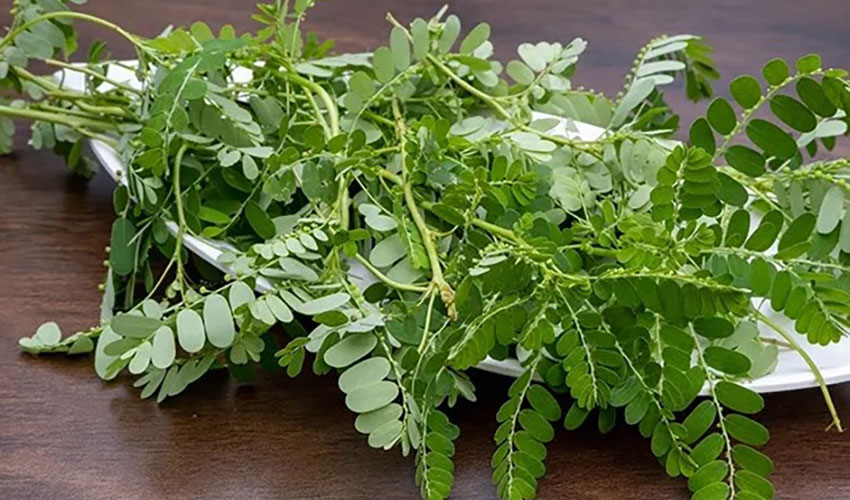
Plant-Based Medicines & Its Potential Cancer-Fighting Properties
The use of herbal and plant-based medicines has a rich and storied history, traced back to ancient civilisations that harnessed nature’s bounty for healing purposes. As we journey into the present, these remarkable plant-derived compounds continue to hold significant promise as critical resources in the ongoing battle against cancer. Research has identified over 3,000 species of plants that contribute to the development of anticancer drugs, underlining the profound potential of the natural world in the quest for effective cancer treatments.
The systematic exploration for anticancer agents derived from botanical sources began in earnest during the 1950s. Since then, the field has seen a surge of scientific inquiry, leading to the emergence of groundbreaking therapies such as taxol, vinblastine, and vincristine, each a testament to the power of nature in medicine. From 1940 to 2006, a striking statistic emerged: more than 40% of the drugs available on the market were classified as anticancer agents, with a notable 65% of these mimicking natural compounds. This statistic is not just a number; it highlights the intricate relationship between nature and pharmacology, emphasising how closely intertwined our medicinal advancements are with the botanical kingdom.
Despite these advances, the emergence of chemoresistance in cancer cells has posed a formidable challenge, particularly in the context of prostate cancer. This resistance has often culminated in high mortality rates among affected patients, compelling researchers and oncologists to redirect their focus toward natural products. In the search for innovative therapeutic options for prostate cancer treatment, scientists are continuously seeking out plant-derived compounds that may offer new avenues for intervention.
While it is true that no new plant-derived anticancer agents have been launched in the market in recent years, the landscape of research is vibrant with potential. Numerous agents are currently undergoing rigorous testing in preclinical stages, including promising candidates like thapsigargin. These investigations underscore a renewed commitment to uncovering novel compounds that could one day transform cancer treatment paradigms.
In conclusion, the long-standing tradition of utilising herbs and plant-based medicines as therapeutic agents reflects not only their historical significance but also their ongoing potential in modern medicine. The work of scientists and researchers dedicated to unlocking the medicinal properties of plants remains vital, as we stand on the precipice of new discoveries that could significantly alter the trajectory of cancer treatment. As we continue to explore the depths of nature’s pharmacy, we remain hopeful for a future where plant-derived medicines play an even more central role in combatting one of humanity’s most formidable adversaries: cancer.

Phyllanthus & Anti-Cancer Properties
The genus Phyllanthus encompasses a diverse array of small annual plants, flourishing across tropical and subtropical regions around the globe. These resilient plants have long been integrated into traditional medical herbalism, particularly renowned for their efficacy in addressing ailments of the kidney and urinary bladder. This historical significance has spurred a wealth of research dedicated to understanding the intricate chemistry, pharmacological properties, and clinical benefits associated with Phyllanthus species.
Numerous studies have elucidated the remarkable pharmacological effects attributed to extracts from these plants. They have been found to exhibit potent antiviral activity, particularly against hepatitis B and related viruses, which positions Phyllanthus as a significant player in the field of viral infections. Furthermore, their antibacterial qualities contribute to their therapeutic repertoire, highlighting their potential in fighting a range of microbial challenges
In addition to their effects on viral and bacterial pathogens, extracts of Phyllanthus are recognised for their protective properties related to hepatic health. The anti-hepatotoxic activity underscores their role in safeguarding the liver from damage and promoting overall liver function. Additionally, several studies have noted their hypoglycemic effects, showcasing their potential utility in managing blood sugar levels.
While the anticancer properties of the genus Phyllanthus have received comparatively less attention, the existing literature reveals promising findings. Notable studies have documented the hepatoprotective effects of Phyllanthus Amarus, which appears to inhibit liver cancer development (hepatocarcinogenesis). Moreover, research involving the root extract of Phyllanthus Acuminatus has demonstrated its ability to inhibit cell growth in murine models of P-388 lymphocytic leukemia and B-16 melanoma, suggesting a compelling avenue for further investigation in cancer treatment Given these promising insights, there is a growing belief that the genus Phyllanthus could possess significant anticancer properties, potentially extending its protective effects to prostate cancer as well. As research continues to unfold, the ancient wisdom surrounding Phyllanthus finds renewed relevance, pointing towards a future where this humble plant may play a pivotal role in modern medical therapeutics.
Bioactive Compounds
The term “bioactive compound” refers broadly to the diverse array of nutritional components found in plants that play significant roles in human health. These compounds have garnered considerable attention from researchers, leading to a wealth of studies, including both epidemiological and case-controlled investigations that highlight their potential effects on various health conditions, particularly cardiovascular diseases and certain types of cancer. Over time, an impressive number of bioactive compounds have been identified and categorised into different groups according to their unique chemical structures and functional properties. Notably, phenolic and flavonoid compounds are ubiquitous in the plant kingdom, found abundantly in vegetables and fruits, underscoring their vital role in nutrition.

To uncover the bioactive compounds present in the genus Phyllanthus, sophisticated analytical techniques such as High Performance Liquid Chromatography (HPLC) and Tandem Mass Spectrometry (MS-MS) are frequently employed. These methodologies provide researchers with the tools necessary for the effective separation and identification of various compounds within extracts of Phyllanthus. An impressive array of bioactive constituents has been identified across different species. Prominent among these compounds are gallic acid, geraniin, and rutin, all identified for their potent antioxidant and anticancer properties.
Among the compelling avenues of research into Phyllanthus is its potential anti-proliferative effects on cancer cells. A defining characteristic of cancer is the uncontrolled proliferation of cells, and thus, the term “anti-proliferative effect” describes a substance’s ability to impede or even terminate the growth of cancerous cells. Studies have documented the anti-proliferative influences of Phyllanthus extracts across a variety of cancer cell lines, including those associated with breast, lung, melanoma, liver, leukemia, and prostate cancers. Notably, the water extract of Phyllanthus Urinaria has demonstrated a selective ability to inhibit leukemia cell proliferation without exhibiting cytotoxic effects on healthy cells. This selective efficacy has been corroborated in studies by several researchers, where multiple species within the Phyllanthus genus, specifically Phyllanthus Amarus, Phyllanthus Niruri, Phyllanthus Urinaria, and Phyllanthus Watsonii displayed selective anti-proliferative activities against various cancer cell lines, such as MeWo, A549, MCF-7, and PC-3, while sparing their normal cellular counterparts from harm.
Interestingly, research indicates that methanolic extracts of these plants tend to yield superior anti-proliferative effects when compared to aqueous extracts, and they achieve these effects at relatively low doses. This phenomenon can be attributed to the solubility characteristics of organic compounds, as many bioactive ingredients are better dissolved in organic solvents like ethanol and methanol than in polar solvents, such as water.
The underlying mechanisms behind the anti-proliferative effects observed in Phyllanthus extracts may primarily relate to the presence of powerful bioactive compounds such as gallic acid, rutin, geraniin, and quercetin. A large majority of the polyphenolic compounds identified in Phyllanthus are noted for their anti-proliferative properties. For instance, gallic acid has been shown to exert significant anti-proliferative action against diverse cancer cell types. The anti-proliferative activities of these compounds are frequently linked to their intrinsic antioxidant capabilities. It is well-documented that these polyphenolic compounds can reduce the likelihood of cancer development by mitigating mutations in normal cells caused by free radicals. Through this protective action on healthy cells, their anti-proliferative effects are largely preserved and enhanced.
Overall, the burgeoning field of research surrounding bioactive compounds in Phyllanthus showcases the remarkable potential of these plant-derived agents in the fight against cancer and underscores the importance of further exploration into their health benefits and mechanisms of action.
Cell Cycle Inhibitor
Cells serve as the fundamental building blocks of all life on Earth, orchestrating diverse biological functions through a highly regulated process known as the cell cycle. This cycle is essential for cellular proliferation and growth, operating as a series of meticulously timed events that enable cells to divide and replicate. At its core, the cell cycle encompasses a sequence of molecular interactions that ensure the accurate transmission of genetic material to the next generation of cells. Any errors that occur during this critical process can trigger checkpoints designed to rectify these mistakes or may result in programmed cell death, a protective mechanism to eliminate potentially harmful cells.

However, when the regulation of the cell cycle falters, it can lead to significant genetic mutations within the affected cells. Such alterations can promote uncontrolled proliferation and evasion of apoptosis, two hallmark features of cancer development. The malfunctions in cell cycle regulation and the resulting genomic instability are key contributors to tumourigenesis, as cells lose their ability to properly manage growth and division. Therefore, targeting the cell cycle offers a promising strategy for the development of anticancer agents aimed at halting the unchecked growth of cancer cells while encouraging their re-entry into the apoptotic pathway.
Recent research has explored the cytotoxic effects of extracts from various species of the Phyllanthus plant, demonstrating their potential in inhibiting the growth of cancerous cells, particularly in skin melanoma and prostate cancer. Phyllanthus extracts have shown the remarkable ability to arrest cancer cells at different phases of the cell cycle, effectively modulating their growth patterns and inducing apoptosis. Specifically, studies have reported that both aqueous and methanolic extracts derived from four distinct Phyllanthus species including P. Amarus, P. Niruri, P. Urinaria, and P. Watsonii, which can induce G1-phase arrest in prostate cancer PC-3 cells. This G1-phase arrest suggests that these extracts may interfere with the synthesis of proteins necessary for PC-3 cells to progress into the subsequent phase of the cycle.
In addition to their effects on prostate cancer cells, Phyllanthus extracts have demonstrated a disruptive influence on DNA synthesis in malignant melanoma MeWo cells, leading to S-phase arrest. These findings illuminate the mechanism behind the growth arrest observed in both PC-3 and MeWo cancer cells, as the accumulation of apoptotic cells signifies a shift from uncontrolled proliferation to a regulated cellular fate. The arrest of cells at specific cell cycle phases results in a profound alteration of their growth characteristics, steering them toward apoptosis.
While Phyllanthus contains a variety of polyphenolic compounds, many of which are believed to exert similar effects on cell cycle dynamics and apoptosis induction, certain constituents stand out for their efficacy. For instance, compounds like gallic acid and quercetin have been shown to induce G1-phase cell cycle arrest and apoptosis in cancer cells by inhibiting the phosphorylation of key regulatory proteins involved in cell cycle progression, such as cdc25A, cdc25C, and cdc2 through the activation of the ATM-Chk2 pathway. Additionally, these compounds reduce the production of cyclin D and enhance the activity of caspase-3, a key player in the execution of apoptosis.
In summary, the intricate relationship between the cell cycle and cancer development highlights the importance of understanding how various natural compounds can influence cellular behaviour. The studies on Phyllanthus offer promising avenues for therapeutic intervention, illustrating the potential to harness these natural extracts to curtail the growth of cancer cells and promote their transition to programmed cell death. Through ongoing research and exploration, these findings can contribute significantly to the development of novel anticancer strategies grounded in the underlying biology of the cell cycle.
Apoptosis Inducer
Cellular death is a fundamental aspect of life, primarily categorised into two distinct processes: necrotic death and apoptotic death. Among these, apoptosis stands out as a critical form of programmed cell death (PCD), a highly regulated process that selectively eliminates damaged, dysfunctional, or excess cells in multicellular organisms. Unlike necrosis, which is often associated with cell damage and inflammation, apoptosis occurs in a controlled manner, sparing surrounding tissues from the inflammatory responses typically triggered by the release of cell contents.

Apoptosis plays a pivotal role in maintaining homeostasis within the organism, balancing cellular proliferation and elimination. This elegant biochemical process unfolds through a well-orchestrated series of events, ultimately leading to characteristic alterations in cell morphology. These changes include cell shrinkage, chromatin condensation, and the formation of membrane blebs. In contrast, necrosis manifests differently; it is marked by cellular swelling, rupture of the plasma membrane, and subsequent cell lysis, which prompts an inflammatory response in the affected tissues.
The delicate balance of apoptosis is vital for the body’s health; any dysregulation of this process can have serious consequences. For instance, the acceleration of apoptotic rates is implicated in diseases such as Acquired Immunodeficiency Syndrome (AIDS) and neurodegenerative disorders like Alzheimer’s disease. Conversely, insufficient apoptosis can lead to unchecked cell proliferation, contributing to autoimmune diseases and various forms of cancer. Cancer cells, in particular, often exhibit genetic abnormalities that enable them to evade apoptotic signals, thereby circumventing programmed cell death, a phenomenon recognised as a hallmark of cancer that is essential for tumour growth and survival.
The regulation of apoptosis, especially in the context of cancer, is intrinsically linked to the activation of caspases, a family of cysteine proteases essential for executing the apoptotic program. Caspases are divided into two classes: initiator caspases and effector caspases. The initiator caspases, such as caspase-2, -8, -9, and -10, serve to activate effector caspases, which exist in an inactive form until triggered. Once activated, effector caspases, namely caspase-3, -6, and -7, propagate the apoptotic signal by cleaving various substrates, thus initiating the cascade of events that culminate in the death of the cell. Moreover, these active caspases also engage other degradative enzymes, including DNases, which fragment DNA within the apoptotic cell.
Recent studies have spotlighted the apoptotic potential of the Phyllanthus plant genus against various cancer types. Different species within this genus have been shown to trigger the activation of caspases 3 and 7, leading to the induction of apoptosis in cancer cells. This capacity of Phyllanthus not only reinstates the apoptotic machinery in various cancer cell types but effectively curtails their uncontrolled proliferation.
Remarkably, the mechanisms through which different species of Phyllanthus induce apoptosis in human cancer cells can vary significantly. This variation likely stems from the diverse array of bioactive compounds present in these plants, which may activate distinct apoptotic pathways. For example, Phyllanthus Amarus has been observed to trigger apoptosis in the human breast cancer cell line MCF-7 by elevating intracellular reactive oxygen species (ROS) levels and decreasing the mitochondrial membrane potential (MMP). Additionally, this species enhances the expression of caspase-3 while downregulating the anti-apoptotic protein Bcl-2, facilitating the process of apoptosis in the cancer cells
Similarly, Phyllanthus Urinaria has also demonstrated the capability to downregulate Bcl-2 expression in Lewis lung carcinoma cells. Furthermore, Phyllanthus not only prompts the production of tumour necrosis factor-alpha (TNF-α) but also inhibits the expression of other anti-apoptotic genes, such as IL-8 and COX-2, in human hepatocarcinoma cells. The diverse bioactive compounds found in Phyllanthus extracts are believed to synergistically enhance the efficacy of this plant in inducing apoptosis across various cancer types.
In conclusion, the intricate dance of life and death at the cellular level is orchestrated by processes like apoptosis and necrosis, each with its own implications for health and disease. The potential of Phyllanthus to restore apoptotic pathways in cancer cells highlights the therapeutic promise of natural compounds in the fight against malignancies, offering hope for the development of novel cancer treatments.
Anti-Metastatic Effect
Once cancer cells undergo transformation into a malignant state, they acquire the ability to metastasise, enabling them to detach from the primary tumour and spread throughout the human body. This process of metastasis involves a series of complex, multistep biological events, including significant cytophysiological changes. One of the critical changes is the disruption of adhesion interactions between cancer cells and components of the extracellular matrix (ECM). This alteration is often accompanied by the overexpression of proteolytic enzymes, particularly matrix metalloproteinases (MMPs), which play a pivotal role in degrading ECM components found in the basal membrane of blood vessels. By breaking down these structural barriers, cancer cells gain the capacity to migrate and invade surrounding tissues via the bloodstream or lymphatic system, ultimately leading to the formation of secondary tumours in distant organs.

To combat metastasis and reduce cancer mortality, therapeutic interventions are crucial. However, developing effective treatments necessitates a deeper understanding of the molecular and biological mechanisms driving the metastatic process. Achieving this goal requires extensive research, including a variety of assays that explore the molecular events associated with tumour metastasis in the human body.
The anti-metastatic properties of a compound can be assessed by its ability to inhibit cancer cell invasion and migration. Notably, extracts from the Phyllanthus genus have been shown to significantly reduce the migratory capabilities of cancer cells. In studies, treated cancer cells demonstrated decreased migration through an 8-µm pore size transwell filter culture plate towards growth factors. The anti-migration effects of Phyllanthus became particularly evident when gallic acid was identified to disrupt the interactions between cancer cells, as seen in a mechanical scratch-wound cellular monolayer healing assay. Furthermore, Phyllanthus has shown the ability to inhibit the invasion of cancer cells through the ECM in a dose-dependent manner, effectively mimicking the in vivo conditions of the basement membrane of blood vessels.
These findings collectively underscore the potential of Phyllanthus as an anti-metastatic agent, demonstrating its capability to reduce cancer cell migration and invasion in a manner that is dependent on dosage. Additionally, the anti-metastatic effects of Phyllanthus are further corroborated by its inhibition of various MMPs across different types of cancer cells, strengthening the case for its therapeutic viability in the fight against cancer metastasis. Such insights pave the way for developing targeted treatments that not only address primary tumours but also prevent the devastating spread of cancer within the body.
Anti-Angiogenesis Effects
Angiogenesis, the intricate biological process responsible for the formation of new blood vessels from existing ones, is not merely a fundamental aspect of human growth and development; it is also a critical phenomenon in various physiological and pathological states. Essential for activities such as wound healing and tissue repair, angiogenesis becomes particularly significant in the context of cancer. In healthy tissues, solid tumours typically remain small, around 1 to 2 mm², and are generally avascular, meaning they lack their own blood supply. However, once a tumour surpasses this size threshold, the diffusion of vital oxygen and nutrients becomes increasingly inadequate, leading cells to experience hypoxia, a state of low oxygen availability. This hypoxic environment triggers the onset of tumour angiogenesis, allowing the tumour to launder its metabolic needs and facilitating further growth and metastasis.
The delicate equilibrium between proangiogenic and antiangiogenic factors plays a pivotal role in maintaining homeostasis within the human body. A disruption in this balance can culminate in various diseases, characterised by either excessive angiogenesis, as seen in conditions like cancer and psoriasis, or inadequate angiogenesis, which can contribute to chronic wounds and strokes. Encouragingly, recent advancements in the understanding of angiogenesis have led to the development of angiogenesis inhibitors that demonstrate lower toxicity levels to normal cells and exhibit a lack of drug resistance commonly associated with traditional cancer treatments. For instance, drugs such as bevacizumab have shown promise in enhancing overall patient responses, prolonging progression-free survival, and improving survival rates. The relative advantages of these anti-angiogenic agents over conventional cytotoxic chemotherapy are noteworthy, especially in light of the limited effectiveness often seen in advanced cancer cases. As a result, there is growing optimism that these novel therapeutic modalities may eventually supplant traditional treatment regimens, including surgery, radiotherapy, and chemotherapy.

The role of endothelial cells is paramount in tumour angiogenesis, as they comprise the linings of new blood vessels. However, the vasculature formed within tumours is often disorganised and immature, presenting a unique opportunity for targeted anti-angiogenic strategies. These aberrant vessels are crucial for sustaining tumour growth and aiding in metastasis; they supply necessary oxygen and nutrients to the cancer cells while also helping to remove metabolic waste products. Therefore, both tumour metastasis and the associated angiogenic processes present significant challenges for cancer treatment and management.
The interconnected relationship between angiogenesis and cancer has galvanised a worldwide effort among researchers to identify compounds capable of inhibiting this destructive process. Despite the successful commercialisation and clinical utilisation of some anti-angiogenic drugs, there is an ongoing need for more effective and safer options. The quest for new anticancer compounds derived from natural sources has a rich and storied history, with many plants traditionally recognised for their potential anti-angiogenic properties. Certain plants contain both proangiogenic (such as β-sitosterol and resveratrol) and antiangiogenic agents (like camptothecin and combretastatin) that have been used in Traditional Chinese Medicine (TCM) for thousands of years. Notably, a variety of plant-derived compounds with angiogenesis-modulating properties have been identified, including those sourced from the Pacific yew tree (which yields Taxol) and the Chinese tree, Camptotheca acuminata (providing camptothecin)
Among the natural substances garnering attention is Phyllanthus, a plant whose anti-angiogenic effects have been substantiated through various scientific investigations. Remarkably, Phyllanthus exhibited no cytotoxic effects on human umbilical vein endothelial cells (HUVECs), as these cells demonstrated sustained viability. In addition, Phyllanthus was shown to impede the migratory and invasive capabilities of HUVECs. Its anti-angiogenic efficacy became particularly evident when capillary tube formation of endothelial cells on extracellular matrix, a model that closely resembles the in vivo configuration of blood vessels, was inhibited. Further substantiating this effect, in vivo studies revealed that Phyllanthus could significantly reduce vessel density within a lung cancer animal model. Additionally, ex vivo assays conducted using the chick chorioallantoic membrane (CAM) corroborated the anti-angiogenic properties of Phyllanthus.
In summary, the exploration of angiogenesis, particularly its link to tumour development and metastasis, unveils critical insights into potential therapeutic avenues. As research continues to unfold, particularly in the field of natural compounds, we may find innovative solutions that hold the promise of more effective treatments for cancer and other angiogenesis-related diseases. The journey toward understanding and manipulating this complex biological process remains a vibrant and vital area of inquiry in the fight against cancer.
Anti – Tumour Effects
The anti-tumour properties of Phyllanthus, a noteworthy genus of plants, have been extensively documented across various cancer animal models, including those involving skin, liver, and lung cancers. Promisingly, research to date has not reported any significant toxicity associated with Phyllanthus in experimental mouse models. In fact, studies indicate that this remarkable plant exhibits radioprotective activity, effectively mitigating myelosuppression while simultaneously enhancing levels of antioxidant enzymes in the blood, liver, and intestine. Additionally, Phyllanthus has been shown to reduce lipid peroxidation levels in treated mice.

Cumulatively, these findings underscore Phyllanthus’s potential as an anti-tumour agent, as it not only reduces tumor size but also extends the lifespan of cancer-bearing animal models. Given the encouraging results, it is imperative to expand the scope of research to include other cancer models, such as prostate cancer, to validate and further elucidate its anti-tumour properties across a broader spectrum of malignancies.
Conclusion
The collective evidence strongly indicates that Phyllanthus plants exhibit selective anticancer activity, particularly targeting cancerous cells and prompting them to undergo apoptosis. Specifically, the anticancer effects of Phyllanthus on prostate cancer cells are mediated through the regulation of the cancer cell cycle and the induction of apoptosis via caspase activation. Furthermore, the observed anti-metastatic and anti-angiogenic properties of Phyllanthus highlight its potential role in inhibiting the progression of secondary tumours, thus reinforcing its relevance in cancer therapeutics.
Nevertheless, further investigations into the detailed mechanisms behind the anticarcinogenic, anti-metastatic, anti-angiogenic, and apoptotic regulatory functions of Phyllanthus against prostate cancer cells are crucial. Such research might pave the way for developing this plant not only as a potential anti-cancer agent but also as a dietary supplement aimed at cancer prevention.
Despite promising preliminary in vitro data, it is essential to recognise the limitations inherent in studies conducted in artificial environments, which do not fully replicate the complexity of human biology. Therefore, comprehensive in vivo studies utilising experimental prostate cancer animal models are imperative. These studies will not only facilitate the acquisition of critical pharmacological and toxicological data but also elucidate the anti-tumour efficacy of Phyllanthus, ultimately providing valuable insights into its safe and effective application in oncology.

How to Use Phyllanthus Niruri
Phyllanthus Niruri is available in various forms, including capsules, powders, tinctures, and teas. Depending on the intended health benefits, people can select form that best suits their preferences:
Tea: Steeping dried leaves in hot water creates a soothing herbal tea, which can be consumed daily.
Capsules/Powders: For a concentrated dose, you can choose supplements that provide the powdered extract.
“Nature itself is the best physician.” – Hippocrates
References
- Asprey, G F., Thornton, P. : Medicinal Plants of Jamaica.III, West Indian Med. J 4: 69-82. (1955)
- Bagalkotkar, G., Sagineedu, SR., SaadJ, MS. Phytochemicals from Phyllanthus niruri Linn. and their pharmacological properties, J Pharm Pharmacol. 58(12):1559- 70 (2006)
- Chandra, R: Lipid lowering activity of P. niruri, Journal of Medicinal & Aromatic Plant Sciences. 22 (1): 29-30. (2000)
- Duke, J A.: Ethnobotanical observations on Cuna Indians, Econ. Bot. 29: 278. (1975)
- Grewal, R C. Medicinal Plants. Campus Book International: New Delhi, 1st Edi., 298- 304. (1984)
- Halberstein, R A., Saunders, AB.: Traditional Medicinal Practices and Medicinal plant usage on a Bahamian Island, Cul. Mad. Psychiat. 2: 177-203. (1978)
- Holdsworth., D., Wamoi, B. :Medicinal plants of the Admiralty Islands, Papau New Guinea. Part 1, Int. J.Crude Drug Res. 20(4): 169-181. (1982)
- Holdsworth, D., Gideon, O.,: Traditional medicine of New Ireland, Papua New Guinea part III, Int. J. Crude Drug Res. 27(1): 55-61. (1989)
- Holdsworth, D., Balun. L. : Medicinal plants of the East and West Sepik Provinces, Papua New Guinea, Int. J. Pharmaco. 30(3): 218-222. (1992)
- Matsuura Subeki, H., Takahashi, K., Kobayashi, S., Trimurningsih,C.:Antibabesial and anti-plasmodial compounds from Phyllanthus niruri, Journal of Natural Products. 68(4): 537-539. (2005)
- Meixa, W., Yanjin. C. : Herbs of the genus Phyllanthus in the treatment of Chronic hepatitis B observation with threepreparation from different geographic sites, J. Lab. Clin. Med. 126(2): 350. (1995)
- Mokkhasmit, M K., Swasdimongkol, W.,: Study of toxicity of Thai medplants, J. Med. Assoc. Thailand. 54(7): 490- 504. (1971)


