


Every Thursday evening, I dedicate time to exploring and discovering captivating documentaries on YouTube. This routine allows me to broaden my understanding of diverse topics and gain insights into remarkable stories from around the world. Recently, during one of these sessions, I came across a particularly inspiring documentary about an extraordinary person named Brendon Grimshaw. His life and achievements are truly remarkable, and the documentary provided a profound glimpse into his unique journey, highlighting his dedication, vision, and the profound impact he made. This experience not only enriched my knowledge but also reinforced the importance of passion and perseverance in pursuing one’s dreams.
Most persons who purchase their own tropical island do so primarily in pursuit of luxury, exclusivity, and the status that such an acquisition confers. However, Brendon Grimshaw’s story diverges significantly from this common narrative. His connection to Moyenne, the small island in the Seychelles that he ultimately bought, was driven by a profound desire for a different kind of fulfillment, one rooted in harmony with nature and a quest for personal meaning. Brendon Grimshaw first arrived in the Seychelles, an enchanting archipelago consisting of 115 islands scattered across the Indian Ocean, in 1962.
At that time, only eight of these islands were permanently inhabited. Grimshaw’s initial visit was on holiday, but his experience there ignited a deeper curiosity and longing. He was then working as an editor for some of East Africa’s most prominent newspapers, a role that placed him at the heart of a vibrant and dynamic continent experiencing significant political change. During his time in East Africa, Grimshaw had the opportunity to interact with influential figures, including Tanzania’s charismatic leader and future president, Julius Nyerere. These encounters underscored the exciting political shifts occurring across the region, with countries like Tanzania and Kenya moving toward independence.
Despite the thrill of his career and the political landscape, Grimshaw sensed that his future in journalism was uncertain. Tanzania had declared independence the previous year, and Kenya was on the cusp of doing the same. As an Englishman working in East Africa, Grimshaw understood that his job prospects would soon diminish as local talent took over roles traditionally held by expatriates. Facing the inevitable end of his career in journalism, he began contemplating a new direction, one that would bring him closer to nature and offer a sense of peace and purpose beyond the bustling city life.
His dream was to own land in the Seychelles, ideally an entire island where he could live in harmony with the environment. Initially, he believed that acquiring an island might be a distant or even impossible goal, given the limited availability and exorbitant prices of islands on the market. Yet, fate intervened unexpectedly. During the final days of his holiday, a young man approached Grimshaw in Victoria, the capital of Seychelles, and casually asked if he was interested in buying an island. This chance encounter led to a journey that would change Grimshaw’s life forever. Together, they travelled to Moyenne, a tiny island measuring just 0.099 square kilometers, located approximately 4.5 kilometres off the northern coast of Mahé, Seychelles’ largest island. From the moment Grimshaw set foot on Moyenne, he was captivated by its untouched wilderness, its silence, and its wild, tangled vegetation. He later described the island as being close enough to the main island to be accessible but remote enough to feel like a world apart. It was, in his words, a “special feeling”, a place that resonated deeply with his longing for solitude and connection with nature.
On the last evening of his holiday, just minutes before midnight, Grimshaw signed an agreement to purchase Moyenne for $10,000. In that moment, the island became his own, a tangible realisation of his dream. However, owning Moyenne was only the beginning of his journey. The island had been largely abandoned for decades, save for a family of fisherfolk who occasionally lived there. As Seychelles’ tourism industry began to flourish, the threat of development loomed large; there was a real possibility that Moyenne could be cleared to make way for a luxury resort or other commercial ventures. Grimshaw’s relationship with Moyenne would evolve into a lifelong commitment. He dedicated himself to restoring and nurturing the island’s natural environment, transforming it into a sanctuary of biodiversity and tranquillity. His story is a testament to the power of following one’s passions and the profound impact that a single person can have on preserving and enriching the natural world.
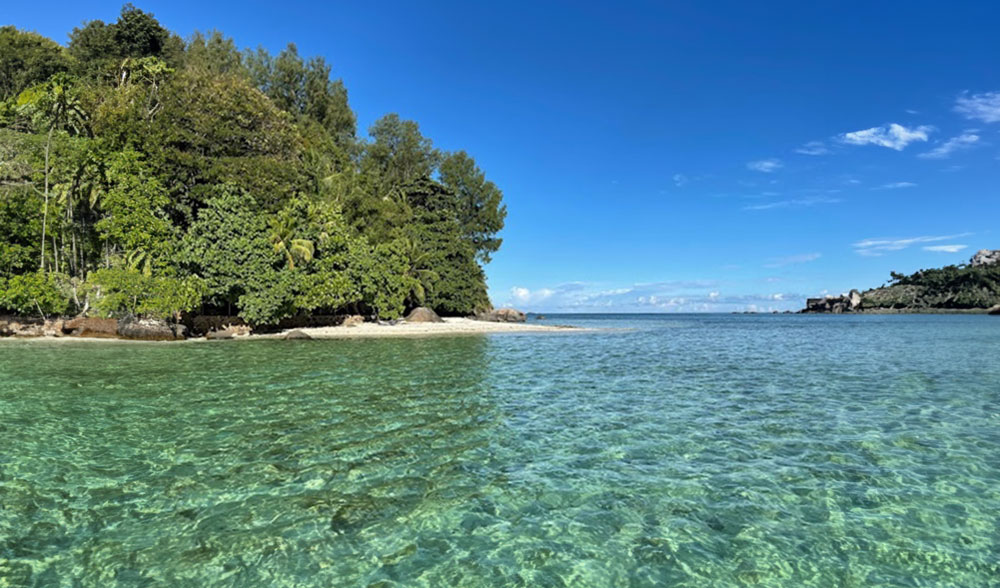
Moyenne Island, one of the smallest of the Seychelles’ inner islands, is a tiny yet profoundly significant landmass that embodies the spirit of preservation and natural beauty. Measuring merely 0.4 kilometres in length and approximately 0.3 kilometres in width, with a coastline stretching less than two kilometres, Moyenne is a diminutive paradise nestled in the Indian Ocean. Its highest point rises modestly to 60 metres above sea level, but despite its modest elevation, the island’s visual impact is anything but small. The island’s landscape is a captivating blend of classic Seychelles scenery, pristine white sandy beaches and striking granite boulders that punctuate the shoreline, creating a postcard-perfect setting. Yet, what truly sets Moyenne apart is its dense, unbroken canopy of lush greenery that blankets the entire island, forming a low, pyramid-like silhouette against the vibrant cobalt sky and the shimmering sapphire sea. It’s as if a miniature rainforest has erupted from the ocean, a riot of verdant foliage that offers a stark contrast to the surrounding azure waters, evoking a sense of untouched wilderness and primordial beauty.
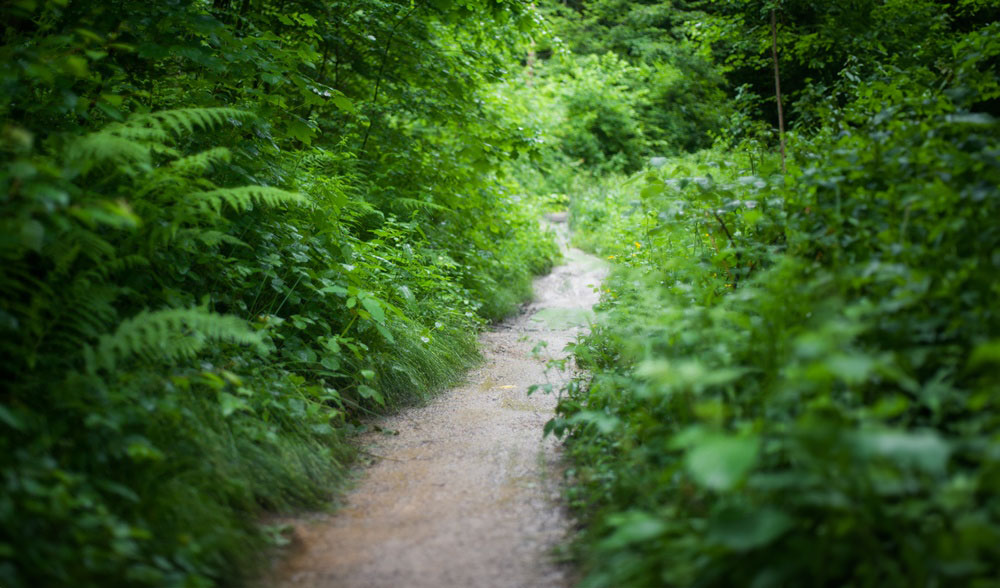
Restoring Moyenne’s natural splendour was an immense undertaking. Over decades, neglect and misguided human intervention had left the island overgrown and struggling to breathe. Weeds had choked the undergrowth, creating a tangled maze that made navigation difficult. The island’s once vibrant ecosystem had been compromised, birds had become scarce and rats had established themselves among the dense underbrush. The task of revitalisation was daunting, requiring patience, dedication and a deep respect for the island’s fragile environment. At Grimshaw’s side was Rene Antoine Lafortune, a young local fisherman’s son, just 19 years old when they began their transformative work. The two became inseparable partners in a labour of love, clearing invasive weeds, planting native trees, and carving pathways through the thick undergrowth. This painstaking, back-breaking effort was not merely physical labour; it was a lifelong obsession for Grimshaw. His vision extended beyond mere restoration; he aimed to protect Moyenne from the threat of overdevelopment and to preserve its pristine condition for future generations.
Initially, Grimshaw’s goal was simple: to uncover the island’s raw, untouched beauty and build a humble home where he could live in harmony with nature. But his aspirations grew into a broader mission. He wanted to create a natural sanctuary that would endure long after he was gone. As Suketu Patel, a lifelong friend who met Grimshaw in 1976, recalls, Grimshaw’s dream was to leave behind “an unspoiled island for future generations of Seychellois and the world,” a miniature reflection of Seychelles’ original, unblemished state before mass tourism arrived. Amidst this work, Grimshaw stumbled upon two graves buried in the overgrown northwest corner of Moyenne. Their tombstones bore the inscription “Unhappily Unknown,” fuelling Grimshaw’s fascination with the island’s history.
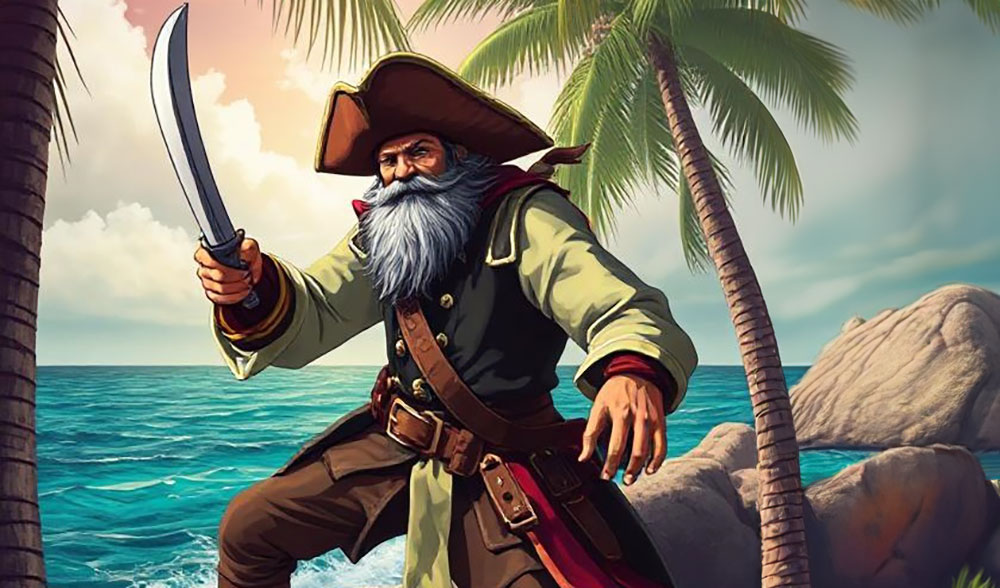
He became convinced that pirates from centuries past were buried there, and that these graves belonged to lowly buccaneers slain by notorious pirate leaders to protect hidden treasure. The legend captivated him, so much so that he and Lafortune marked two sites with skull-and-crossbones symbols, embarking on treasure hunts that yielded no gold, only stories and imagination. Whether Grimshaw truly believed in these pirate legends remains uncertain, but they added a layer of mystique to the island’s history, enriching its allure. As Seychelles’ reputation as a tropical paradise grew in the 1980s, investors’ interest in Moyenne intensified. Offers of up to $50 million to purchase the island poured in, yet Grimshaw steadfastly refused to sell. Recognising that his time was limited and that Moyenne’s future needed safeguarding, he took decisive action.
When Lafortune passed away in 2007, Grimshaw, along with Patel and others, established a perpetual trust to ensure the island’s protection. In 2009, an agreement was signed with the Seychelles’ Ministry of Environment, incorporating Moyenne into the Ste Anne Marine Park but granting it a special status that preserved its unique character. This culminated in the designation of Moyenne as the world’s smallest national park, an enduring testament to Grimshaw’s vision. While Grimshaw’s story might seem eccentric, an Englishman moving across the world to buy and restore a tiny island, believing in pirates and dedicating his life to conservation, many Seychellois see it differently. They recognise his noble contribution to their nation’s natural heritage. As Isabelle Ravinia from the Seychelles National Parks Authority notes, “He gave the island back to the country, which was a noble thing to do. Instead of trying to sell it for profit, he chose to preserve it for everyone.”
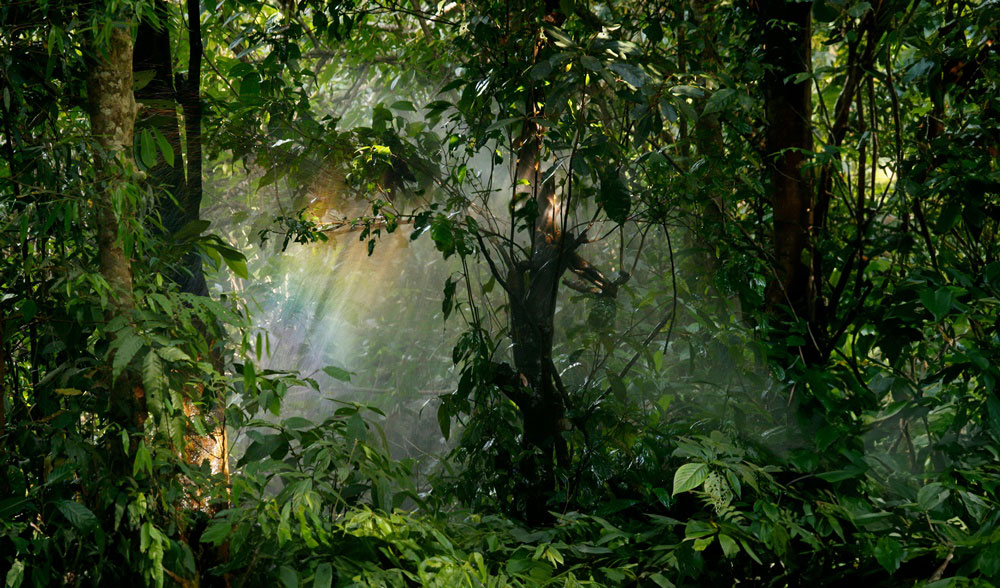
Grimshaw passed away in 2012, leaving behind a legacy etched into Moyenne’s landscape and spirit. His grave, alongside that of his father (who later came to live with him) and the legendary pirates, bears an inscription that encapsulates his worldview: “Moyenne taught him to open his eyes to the beauty around him and say thank you to God.” His final wishes, expressed in his will, emphasised that Moyenne should remain a place of prayer, peace, tranquillity, relaxation. and knowledge. It should be a sanctuary for all, regardless of nationality, colour, or creed. Today, Moyenne remains largely untouched by commercial development. Its modest infrastructure includes a small restaurant, the Jolly Roger, serving local dishes like grilled fish and seafood curries, a small museum dedicated to Grimshaw’s life, and nurseries for giant tortoise hatchlings. The island has no jetty, and arriving there is an experience in itself, wading barefoot through shallow waters, feeling the cool sand beneath your feet as you step onto the island’s unspoiled shores. Once on land, the lush forest beckons, with sunlight filtering through the canopy onto the rich tapestry of plant life such as mahogany, palms, mangoes and pawpaws, all planted by Grimshaw and Lafortune. Moyenne boasts more plant species per square metre than any other national park in the world, a living testament to Grimshaw’s dedication.
Visitors often encounter the gentle presence of nearly 50 free-ranging giant Aldabra tortoises, leisurely passing through the trails, embodying the island’s tranquil spirit. At Pirate’s Cove, hawksbill turtles nest ashore, adding to the island’s rich biodiversity. Despite its popularity among eco-conscious travellers, Moyenne remains a serene escape, rarely more than 50 visitors at a time, preserving its sense of discovery and solitude. In essence, Moyenne Island is more than just a tiny speck of land; it is a symbol of conservation, passion, and the enduring power of one man’s vision. Thanks to Grimshaw’s unwavering commitment, this unspoiled jewel continues to inspire and remind us of the importance of protecting our natural world for generations to come.
Getting to Moyenne Island
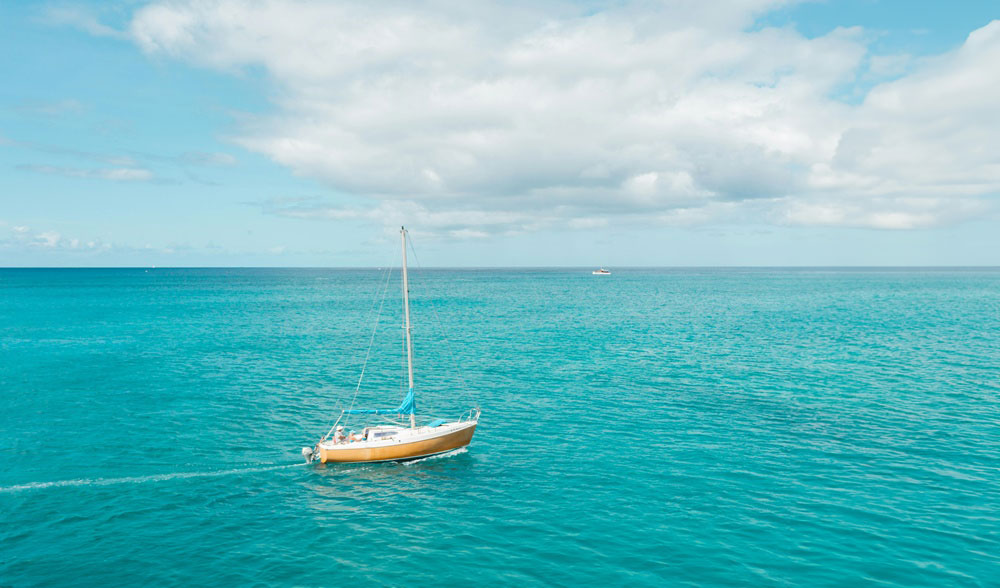
Reaching Moyenne Island in the Seychelles offers an enchanting journey that begins with a scenic boat ride from the main islands, typically departing from Victoria on Mahé or from the nearby Ste Anne Marine Park. Visitors can arrange guided tours or private boat transfers through local operators or eco-tourism providers, ensuring a seamless and environmentally conscious experience. The boat glides across the azure waters, offering breathtaking views of the archipelago’s lush islands and vibrant marine life along the way. As you approach Moyenne, the anticipation builds, wading barefoot through shallow, crystal-clear waters to step onto the untouched shores of this tiny paradise. The journey itself is part of the adventure, immersing travellers in the natural beauty and tranquillity that define the island. Because Moyenne has no jetty or developed infrastructure, arriving here is a truly special experience, one that evokes a sense of discovery and connection with nature, making every moment of the trip as memorable as the island itself.
A Grain of Sand
“A Grain of Sand” (1996) is a deeply personal and evocative memoir by Brendon Grimshaw that chronicles the extraordinary journey of transforming Moyenne Island from a neglected, overgrown speck of land into a pristine sanctuary of natural beauty. Over the course of four decades, Grimshaw, alongside his loyal companion René Lafortune, dedicated themselves to restoring and preserving this tiny island, turning it into a living testament to their shared vision of conservation and harmony with nature. The book offers an intimate glimpse into the challenges, triumphs, and unwavering commitment that defined their monumental effort, capturing the essence of a lifelong labour of love. Richly illustrated with detailed maps, archival photographs, and personal stories, “A Grain of Sand” transports readers into the heart of their quest, highlighting not only the physical work of clearing invasive weeds, planting native trees, and carving pathways, but also the whimsical tales of searching for pirate treasure that added a sense of adventure and mystery to their daily routines.
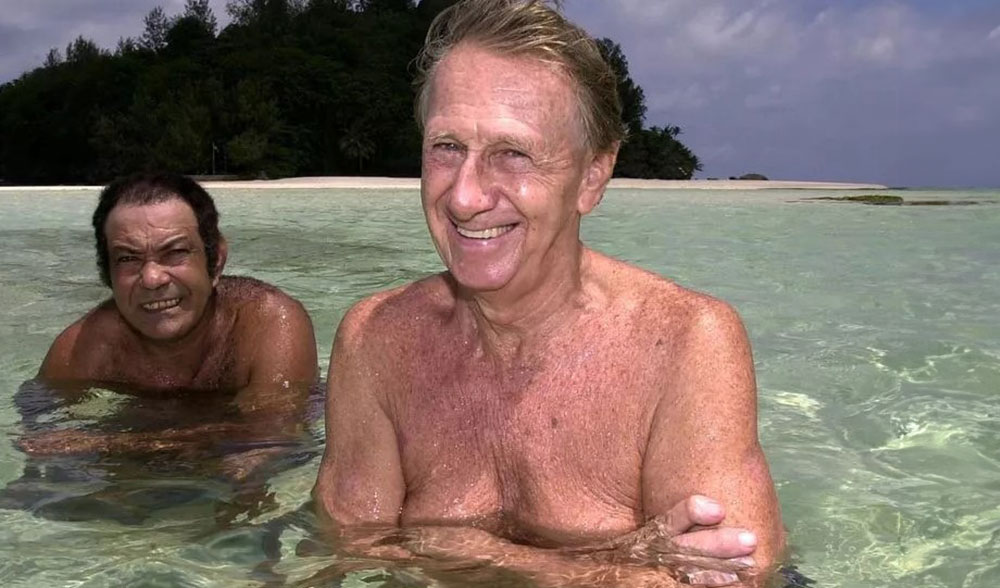
Grimshaw’s narrative reveals the profound connection he developed with Moyenne, illustrating how a seemingly insignificant island became a symbol of hope, resilience, and the enduring power of one individual’s dedication to protecting the natural world. This compelling account is more than just a story of environmental restoration; it is a heartfelt reflection on the importance of preserving our planet’s fragile ecosystems and the extraordinary impact that passion and perseverance can have on even the smallest of places.
“Preserve and cherish the pale blue dot, the only home we’ve ever known.” – Carl Sagan


