


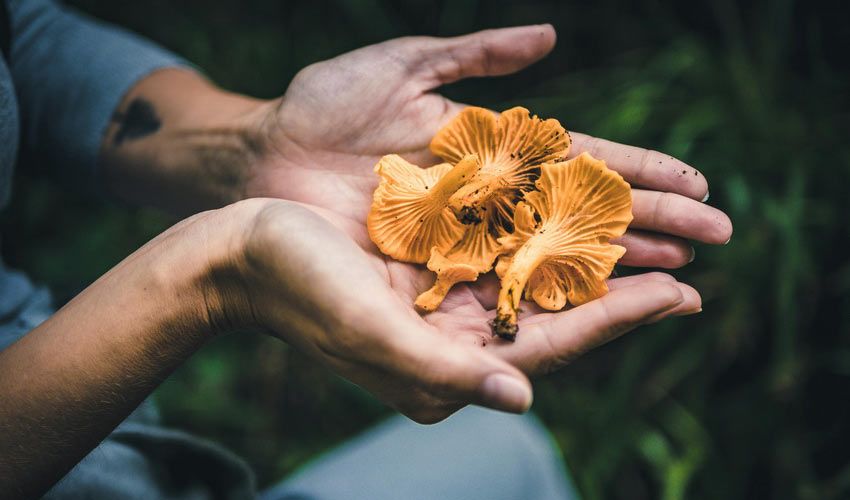
During my time in the Netherlands, my friend and I frequently ventured into Belgian and Dutch forests, eagerly foraging for a variety of mushrooms, both those that were edible and the more elusive psychoactive varieties. After relocating to Thailand, my wife and I continued our foraging adventures, this time exploring the lush landscapes in search of bamboo shoots, water spinach (also known as morning glory), aromatic basil, and an array of other delightful treasures nature had to offer.
During my time in the Netherlands, my friend and I frequently ventured into Belgian and Dutch forests, eagerly foraging for a variety of mushrooms, both those that were edible and the more elusive psychoactive varieties. After relocating to Thailand, my wife and I continued our foraging adventures, this time exploring the lush landscapes in search of bamboo shoots, water spinach (also known as morning glory), aromatic basil, and an array of other delightful treasures nature had to offer. However, in this article, I will delve into the fascinating world of foraging in Europe, as this continent’s unique flora differs significantly from the Asian herbs we often encounter. While Asian herbs possess their own rich traditions and uses, European foraging offers a distinct array of plants and flavours waiting to be discovered. Join me as we explore the diverse landscape of edible wild herbs found across Europe, uncovering their culinary potential, nutritional benefits, and the art of gathering them in harmony with nature.
In recent years, the art of foraging has surged in popularity, as people increasingly yearn to forge a tangible connection with the natural world. With the arrival of spring, we embrace some of the most vibrant and exhilarating months for gathering a wealth of wild edible and medicinal plants. The botanical world is poised to burst into a riot of life, awakening from the stillness of winter to unveil nature’s bounty. As early spring unfolds, a plethora of herbs emerges, rich in nutrients and vitality. These plants, having drawn sustenance from their dormant roots or from seeds nestling in the earth during the cold months, thrive in soil rejuvenated by the decomposition of fallen autumn leaves. This fertile earth, now teeming with vital minerals and beneficial microbes, provides an optimal environment for supporting the flourishing plant life that will grace our landscapes throughout the seasons, spring, summer and autumn alike.
During this enjoyable season, spring foraging primarily presents an abundance of leafy greens, herbaceous plants, and delicate flowers. This phenomenon exemplifies nature’s remarkable ability to recycle energy, renewing life in the process. Furthermore, it highlights the intrinsic gifts of the natural world, as the plants and herbs available to us at this time offer not only essential nutrients but also specific health benefits tailored to the season. For instance, spring herbs, rich in minerals, enhance blood quality and promote cellular regeneration, preparing our bodies for the increased activity of the warmer months. Additionally, lymphatic herbs work to eliminate the stagnation brought on by winter, assisting us in entering the energetic season rejuvenated and revitalised.
The Revived Art of Foraging
In recent years, particularly during the pandemic, a fascinating trend has emerged: a surge in foraging for food and medicinal herbs. As lockdowns forced us to slow down and immerse ourselves in the tranquillity of the outdoors, many rediscovered the primal joy of connecting with nature. This period of introspection has sparked a vibrant renaissance in foraging, a practice that not only nourishes the body but also revitalises the spirit. Foraging is more than a passing fancy; it’s an opportunity to rekindle our relationship with the natural world. This reconnection gives us a newfound appreciation for the diverse and bountiful offerings that surround us. By learning to identify edible plants, mushrooms, and medicinal herbs, we gain a deeper respect for our environment and its cycles. Nature becomes not just a backdrop to our lives, but a vital participant in our well-being. However, with this growing interest comes a responsibility to approach foraging with mindfulness. To ensure our safety and the sustainability of our ecosystems, it is essential to learn from experienced foragers who can guide us through the intricacies of this age-old practice. Armed with expert insights, we can build a solid foundation of knowledge, empowering us to explore this incredible world confidently. So, let’s delve into the art of foraging with wisdom from seasoned foragers, uncovering invaluable tips and techniques that will enhance our voyage into the lush abundance that nature has to offer. Whether you’re an aspiring forager or simply curious about this enriching skill, there’s so much to learn and experience in harnessing nature’s gifts.
The Vital Bond with Our Local Ecosystems
As we venture into the embrace of our local wilderness, many have begun to appreciate the unique tapestry of flora and fauna that surrounds us. Whether you’re nestled near serene coastal trails and sandy shores, sheltered by the towering trees of woodlands and forests, wandering through vibrant hedgerows and meadows, or exploring the serenity of urban parks, forging a meaningful connection with the land is essential. This relationship not only enhances our understanding of the myriad plants we wish to forage, revealing their seasonal transformations and the intricate web of life that thrives around them but also empowers us to utilise the landscape responsibly. By becoming attuned to the land’s character and the factors that influence its use, we can ensure we harvest responsibly, avoiding areas that may harbour contaminants. In nurturing this bond with our natural spaces, we cultivate a deeper appreciation for the world around us and the numerous benefits it offers.

Seasonal Observation – Unlocking Nature’s Cycles
Embarking on a forager’s adventure begins with a crucial foundation: a dedicated period of observation. Ideally, this journey spans an entire year, allowing you to witness the dynamic transformation of plants as they ebb and flow with the changing seasons. Each season unfolds a captivating narrative, as plants evolve from bud to bloom to harvest. For instance, the size and shape of leaves can vary significantly within just a few weeks; the tender leaves of spring often bear little resemblance to their more mature counterparts later in the season, showcasing a fascinating array of textures and forms. Understanding these changes is essential, especially when it comes to harvesting roots. Many plants will have shed their aerial components or entered dormancy by the time root harvesting season arrives, typically in early spring or autumn. Without a keen eye for seasonal shifts, foragers might miss their window of opportunity, unable to tap into the rich bounty hidden beneath the soil. Thus, immersing yourself in the rhythms of nature not only enriches your knowledge but also enhances your foraging success.
Understanding Land Use & Contaminants
When it comes to foraging, knowledge of land use is crucial in safeguarding your harvest. It’s essential to be aware of potential contaminants that might compromise the safety of the plants you intend to gather. Factors such as mining operations, agricultural practices, and the use of pesticides and herbicides can introduce harmful substances into the ecosystem. Before embarking on your foraging adventure, take the time to carefully observe the landscape and the pathways you plan to explore. Grasping the nuances of how the land is utilised can help you steer clear of toxic contaminants that could compromise your foraged bounty. Engaging with the environment through observation and research is key. Spend time in the area to investigate agricultural practices and any historical industrial activities that may have left their mark on the terrain. Although signs of industrial presence, like factories or remnants of old buildings, might be readily apparent, other indicators, such as unusual mounds, could suggest the presence of mining debris or landfill sites. To ensure the safety of your foraged finds, don’t hesitate to reach out to local authorities or landowners, particularly if your foraging occurs along public pathways. By seeking guidance and doing your due diligence, you can enjoy the rich rewards of nature while prioritising your health and safety.
Mastering the Safe Identification of Edible & Medicinal Plants
With a growing enthusiasm for foraging, it’s vital to prioritise safety while exploring the world of edible and medicinal flora. Although many plants are easily recognisable as safe to consume, there is a significant risk associated with mistaken identities, as numerous poisonous plants share similar features. Within the diverse landscapes of Britain and Europe, some of the world’s most toxic vegetation can be found, often more common than one might expect. Therefore, those embarking on a foraging adventure must first equip themselves with the essential skills for safe plant identification before attempting to harvest or consume anything.
**Warning: Certain species within the Carrot family (Apiaceae) pose particular dangers; even seasoned foragers caution against these plants. As a beginner, it is prudent to refrain from foraging within this family until you have a solid understanding of them or access to expert guidance.**
Essential Plant Identification Techniques
For aspiring foragers and herbalists, acquiring foundational knowledge in botany is crucial for distinguishing safe plants from hazardous ones. The first step for anyone entering the field of foraging is to obtain a reliable plant identification guide, such as the Botanical Field Guide by Stefan Mager, or any reputable flower guide. These resources include a detailed key that delineates various botanical characteristics, such as leaf shape, flower colour and fragrance, allowing you to perform thorough assessments. The nuances that differentiate two similar plants can often be incredibly subtle, including stem structure, petal characteristics, or even the presence of scent. Utilising a structured key offers the most precise and effective means to confidently identify a plant. A well-crafted plant guide will provide comprehensive images and descriptions for all species found in a specific area, equipping you to determine the plant family of your specimen. From there, you can compare it against other plants within the same genus to find an accurate match based on the details highlighted in the guide.
The Role of Plant Identification Apps
In today’s digital age, many people are turning to plant identification apps as handy tools for foraging. However, can these applications be fully trusted to assess the safety and edibility of a plant? The consensus among professional botanists, foragers, and herbalists is a resounding ‘no.’ The limitations of these apps have been increasingly highlighted, with several incidents of poisoning resulting from inaccurate identifications. These applications rely on algorithms that match the visual characteristics of uploaded images, but as previously mentioned, the distinguishing features between various plants can be far more subtle, such as differences in fragrance, hollow versus solid stems, or the presence of fine hairs, which cannot be captured in a photograph. While identification apps can serve as a preliminary tool for narrowing down a plant’s genus or species, they must never be utilised as standalone references. The most reliable and enriching approach to plant identification remains the comprehensive use of a botanical guide. This knowledge not only fosters a sustainable connection to nature but also deepens your appreciation and understanding of the intricate world of plants.
Sustainable Foraging Practices
Foraging offers a unique opportunity to connect with nature and discover the bounty of edible and medicinal plants that often thrive in our surroundings. Many of these invaluable resources exist right under our noses and are commonly referred to as ‘weeds,’ such as dandelions, nettles, and plantains. However, it is crucial to recognise that not all plants are abundant or sustainable to harvest. Certain species, including Lions Mane Mushroom, Centaury, and Oak Polypore, face endangerment and may be legally protected in the UK, making them off-limits for foraging. Additionally, some plants may be considered locally uncommon or at risk, meaning they are not officially classified as endangered but have limited populations in specific regions. As you venture into your foraging territories, it’s essential to develop a keen awareness of the health of these ecosystems and the plants that inhabit them. When encountering such species, the best course of action is to refrain from harvesting them altogether. Instead, consider reaching out to reputable herbalists or medicinal plant suppliers who share your dedication to sustainability. It is also beneficial to know that numerous alternative medicinal plants exist, offering similar healing properties for various conditions. A knowledgeable herbalist can provide valuable insights and recommendations. Even when foraging for more commonly found plants, sustainability remains paramount. We must practice mindful harvesting, recognising the importance of these plants in their ecosystems and the diverse species that depend on them.
How Much Should You Harvest?
A widely accepted guideline in foraging is to take no more than one-third of what is available in any given area. This practice ensures that the plant population can remain robust and healthy enough to regenerate. Should you require larger quantities, consider expanding your search to different locations and taking small amounts from multiple patches. This approach not only safeguards the plants but also respects the intricate web of life thriving in their habitats. Engaging with nature responsibly means acknowledging the complex interactions within ecosystems. As foragers, we have a duty to minimise our impact and, ideally, seek ways to enhance the environment we cherish. By practicing sustainable foraging, we can enjoy the gifts of nature while ensuring their availability for future generations.
Essential Guidelines for Successful Foraging
When venturing into the world of foraging, one crucial guideline stands out: always bring your field guide with you to the plant. This practice is vital for accurate identification and safety. Identifying a plant in its natural habitat is often influenced by several environmental factors, such as its proximity to water sources or the amount of sunlight it receives. These contextual details play an essential role in determining the plant’s identity and characteristics. By consulting your guide on-site, you can ensure you’re correctly identifying species that may be rare or endangered, avoiding potential mishaps while foraging. As you harvest, it’s imperative to maintain a keen focus on the entire plant’s anatomy. Trace the flower back to its leaves, the leaves to the stem, and ultimately back to the roots. This thorough observation is essential to ensure that every part of the plant is correctly identified. A common mistake occurs when foragers unintentionally mix edible plants with toxic varieties. For instance, mistaking elderflowers, which grow low on shrubs, for the deadly hemlock, whose umbellate flowers rise tall among them, can lead to grave consequences. Such errors are harrowing reminders that safety in foraging must be prioritised. To minimise the risk of confusion, it is always best to harvest individual plant parts rather than large clumps. By taking only what you need piece by piece, you ensure that every item in your basket is exactly what you intended to collect. Attention to detail during this process is crucial, particularly during larger foraging expeditions. With careful consideration and mindfulness, you can enjoy the bounty of nature while safeguarding your health and the environment.
Common Foraging Plants
Nature has gifted us a treasure trove of foraging delights, with a vibrant array of wild plants just waiting to be discovered. Among these are the resilient dandelions, whose sunny yellow blooms and peppery leaves are as nutritious as they are versatile. Wood sorrel adds a delightful tang, perfect for brightening salads or enhancing the flavour of soups. For those willing to brave its sting, stinging nettles offer an abundance of nutrients and a unique earthiness once cooked or steeped in tea. Cattails, often found in wetland areas, are true survival plants; nearly every part is edible, from the crunchy young shoots to the pollen-rich flowers. Curly dock, with its distinctive leaves, is another wild green that brings a slightly sour taste, serving as an excellent addition to various dishes. Wild garlic infuses a robust flavour reminiscent of cultivated garlic, making it a favourite among foragers and chefs alike. Purslane, with its succulent leaves, is not only tasty but also packed with omega-3 fatty acids, making it a wholesome addition to your culinary repertoire. And then there are the jewels of the foraging world: berries! Elderberries burst with rich flavour and an array of health benefits, while wild strawberries, small yet intensely sweet, evoke pure summer bliss with every bite. Don’t overlook the humble weeds that often thrive in our gardens and yards; plants like chickweed, plantain, and lamb’s quarters are not just garden nuisances but also highly nutritious and delicious. These foraging gems invite you to step outside, reconnect with nature, and explore the incredible flavours that await you in your very own backyard.

Guide to Edible Wild Plants
Discover the fascinating world of foraging with these common yet nutrient-rich wild plants. Below is a compelling breakdown of their unique characteristics, flavours, and culinary uses:
- Dandelions: Identification – Easily recognised by their bright yellow flowers and jagged green leaves. Edibility – All parts including leaves, flowers and roots are edible. Culinary Uses – Use young leaves in salads, fresh flowers as garnishes, and roots for teas or coffee substitutes.
- Wood Sorrel: Habitat – Thrives in shady woodland areas. Flavour Profile – Offers a tangy, lemony taste. Edibility – Both leaves and flowers are edible and can add zest to salads.
- Stinging Nettles: Preparation – Must be cooked to eliminate stinging properties. Flavour – Similar to spinach or kale, rich in minerals. Culinary Uses – Ideal for soups, teas, and sautés after cooking.
- Cattails: Location – Commonly found near water bodies. Edible Parts – Roots, shoots and pollen can all be consumed. Culinary Uses – Roots are starchy like potatoes; young shoots can be eaten raw or cooked.
- Curly Dock (Yellow Dock): Characteristics – Recognisable by its wavy green leaves. Edible Parts – Both leaves and roots are nutritious. Culinary Uses – Use leaves in salads; roots are often dried and powdered.
- Wild Garlic: Aroma & Flavour – Distinctive strong garlic scent and taste. Edible Parts – Both leaves and bulbs can be used in cooking. Culinary Uses – Perfect for flavouring dishes or making pesto.
- Purslane: Identification – Succulent, fleshy stems and leaves; often viewed as a weed. Nutrition – High in omega-3 fatty acids. Culinary Uses – Great in salads, stir-fries, or as a garnish.
- Berries: Varieties – Includes elderberries, raspberries, and strawberries. Edibility – Delicious and usually sweet. Culinary Uses – Perfect for jams, desserts, or snacking.
- Chickweed: Taste: Mild and slightly sweet flavour. Edibility: Leaves and stems are edible. Culinary Uses – Yummy when added to salads, sandwiches, or smoothies.
- Plantain: Description – Broadleaf plantain has wide, flat leaves. Edibility – Leaves can be eaten raw or sautéed. Culinary Uses – Excellent in salads or cooked as a green side dish.
- Lamb’s Quarters: Nutritional Benefits – Packed with vitamins and minerals. Edible Parts – Leaves and seeds are both nutritious and safe to eat. Culinary Uses – Use leaves in salads or cooked dishes.
- Wild Asparagus: Seasonal Foraging – Best found in spring and fall. Edibility – Tender shoots are edible and sought after. Culinary Uses – Excellent roasted, grilled, or sautéed.
- Garlic Mustard: Impact – Invasive plant that can crowd out native species. Edible Parts – Leaves have a mild garlic flavour. Culinary Uses – Use leaves in salads or pesto but be mindful of their ecological effects.
”Marriage probably originated as a straightforward food-for-sex deal among foraging primates. Compatibility was not a big issue, nor, of course, was there any tension over who would control the remote.” – Barbara Ehrenreich


