


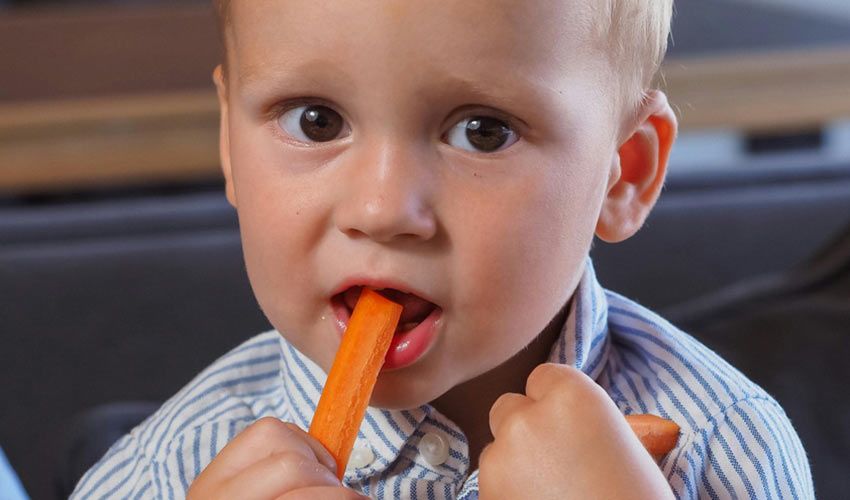
If you’re a parent, you’re likely all too familiar with the battle to get your little ones to eat their veggies. As the proud parent of three energetic and sometimes picky eaters, I vividly remember the challenges I faced with two of my toddlers who turned their noses up at anything green. It felt like a full-time job just to ensure those important nutrients made it onto their plates! But over time, through a mix of creativity and persistence, we discovered clever strategies that transformed mealtime struggles into successes.
If you’re a parent, you’re likely all too familiar with the battle to get your little ones to eat their veggies. As the proud parent of three energetic and sometimes picky eaters, I vividly remember the challenges I faced with two of my toddlers who turned their noses up at anything green. It felt like a full-time job just to ensure those important nutrients made it onto their plates! But over time, through a mix of creativity and persistence, we discovered clever strategies that transformed mealtime struggles into successes. Now, I’m excited to share with you six ingenious ways to sneak veggies into your toddlers’ diets, ensuring they receive the nutrients they need while still enjoying their meals.
Introducing toddlers to a variety of vegetables is crucial for their overall health and development, as these nutrient-dense foods provide essential vitamins, minerals, and fibre that support growth, immune function, and cognitive development. A diet rich in vegetables is linked to lower risks of chronic diseases later in life, such as obesity, heart disease, and diabetes, making early exposure vital for instilling healthy eating habits. Vegetables are also low in calories and high in water content, which can help maintain a healthy weight while teaching children the importance of balanced nutrition.
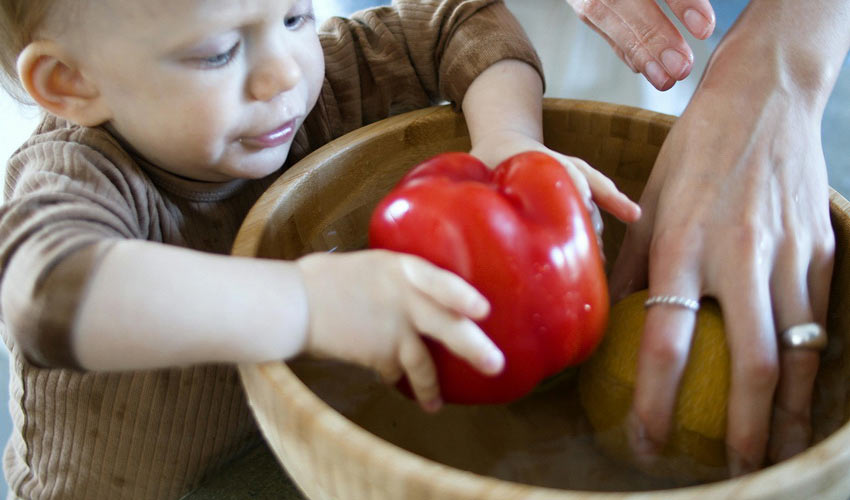
Moreover, the diverse flavours, textures, and colours of vegetables can stimulate toddlers’ palates, encourage adventurous eating, and promote openness to trying new foods, fostering a positive relationship with food as they grow. Additionally, involving toddlers in the selection and preparation of vegetables can enhance their willingness to eat them, making mealtime a fun and engaging experience. Ultimately, prioritizing vegetables in your toddler’s diet lays a strong foundation for lifelong healthy eating habits, emotional well-being, and physical vitality.
Six Smart Strategies to Encourage Your Toddler to Enjoy Vegetables
Continue to Introduce your Child to Vegetables
When your child turns their nose up at a vegetable, it’s easy to feel disheartened, especially if you’ve repeatedly introduced the same item without success. However, persistence can be key in this journey toward broadening their palate. The reality is that by continuing to offer that particular vegetable, you’re laying the groundwork for eventual acceptance, even if it feels like an uphill battle right now. When it comes time to introduce a new vegetable or revisit one that has previously met with rejection, consider portion sizes and preparation methods. Start small, offering just a couple of bites can prevent your little one from feeling overwhelmed or turned off by a full-sized serving. Remember, the goal is to make the experience as approachable as possible rather than a daunting task. If your toddler has turned away from certain ways of preparing vegetables such as raw spinach, it might be worth exploring creative ways to integrate those veggies into meals they already enjoy. For instance, embedding spinach into muffins or blending it into smoothies can make the leafy green more palatable. These methods allow you to sneak in the nutrients without the initial “vegetable shock.” However, it’s essential to strike a balance here. If you consistently mask vegetables by hiding them in snacks or treats, you might inadvertently discourage your child from trying them in their whole, fresh form. By ensuring that vegetables are presented in a variety of ways including on their own, you increase the likelihood that your child will become more adept at making choices about their food.
Don’t underestimate the power of presentation either! The visual appeal and temperature can significantly impact how a vegetable is received. Some children may find themselves more inclined to taste carrots presented as colourful veggie coins, rather than long, uninviting strips. Similarly, offering warm vegetables as opposed to cold ones can be a game-changer. For those children who adore familiar textures and shapes, consider cutting veggies into shapes they already love, think spaghetti-like strands or crispy fry shapes. At mealtime, it’s crucial to create a relaxed atmosphere without the pressure. Serve the veggies alongside other favourite foods, but resist the urge to force or coax your child into eating them. If they opt to leave the veggies untouched, it’s important not to express disappointment or frustration. Such reactions can create a negative association with the food. Instead, simply reassure them that it’s okay to try again another time. Encourage exploration without pressure, and maintain a positive outlook for future meals. Remember, this journey is about more than just vegetables; it’s about cultivating a lifelong relationship with good nutrition. By consistently offering a variety of vegetables in engaging and non-threatening ways, you’re not just providing them with food; you’re helping your child develop their own tastes and preferences. With time and patience, those rejected veggies may eventually find a place on their plate, transforming from foes to friends.
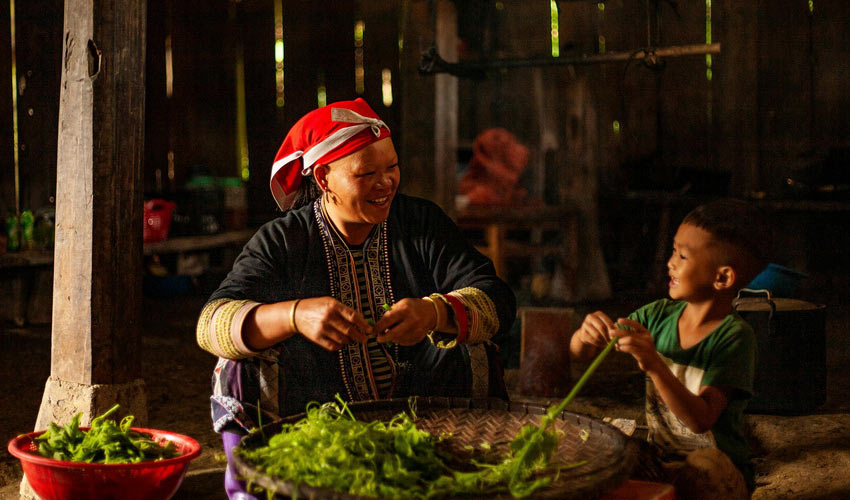
Engage Your Kids in Shopping & Meal Prep Activities
If you have the opportunity to take your children along to the grocery store, seize it as a valuable chance to help them develop a positive relationship with vegetables. One of the best places to begin this journey together is in the vibrant and colourful produce section. Encourage your kids to explore the variety of fruits and vegetables on display, allowing them to touch, examine, and choose their favourites. For instance, you might prompt them to locate a butternut squash amidst the array of squash varieties or to pick out the ripest, juiciest tomato from the stacked offerings. Use this moment to engage them in conversation, teaching them the names of the vegetables and describing the flavours and textures they might expect. However, if a trip to the grocery store isn’t feasible, don’t let that stop you from involving them in the process. Get creative by using a catalogue or an online grocery list. Have your children peruse images of colourful vegetables and challenge them to select the ones they find most appealing. Once you return home with your groceries, invite them to help unpack the bags as this hands-on activity continues to reinforce their connection to the food they eat.
But the fun shouldn’t stop at shopping; bring them into the heart of cooking as well! Involving your kids in the kitchen is a fantastic way to cultivate their interest in vegetables. When preparing meals, let your little ones help make decisions. Offer them a choice between two vegetables for dinner. “Would you like broccoli or carrots tonight?” This not only empowers them but also makes them feel like they’re part of the meal-making process. When it’s smoothie time, invite your toddler to join in on the fun. Hand them a handful of kale, spinach, or another nutritious option and guide them as they toss it into the blender. Our beloved pizza night can also serve as an excellent opportunity for vegetable engagement; allow your kids to choose from an assortment of veggie toppings or, better yet, let them create their own unique pizzas with at least one vegetable involved. As your children mature and grow more comfortable in the kitchen, transition their responsibilities to include mixing shredded vegetables into pancake batter, adding veggies to a sauté pan (with your supervision, of course), or learning to chop or tear soft greens safely. These activities not only enhance their culinary skills but also gradually expose them to the world of flavours and textures within various vegetables. Over time, with consistent involvement and opportunities to learn about fresh produce, your kids are much more likely to develop a curiosity and willingness to try new vegetables.
Incorporate Favourite Foods to Include More Vegetables
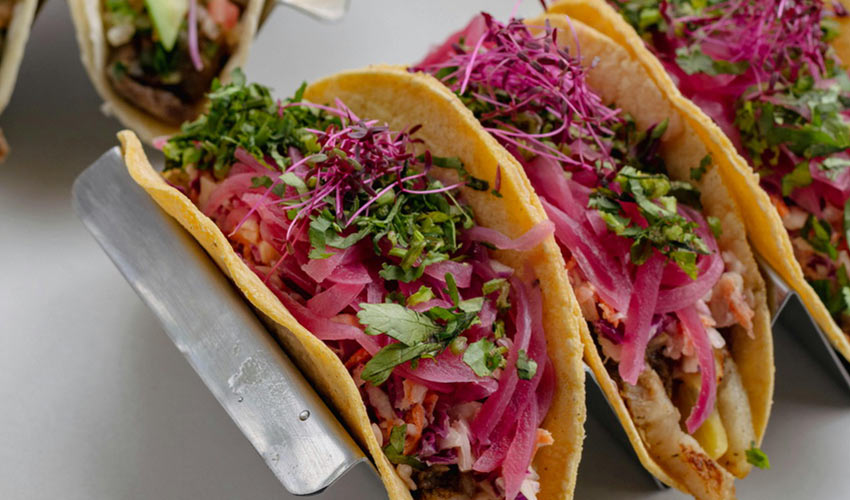
For many children, embracing vegetables can be a gradual journey, particularly when these nutritious foods are presented on their own as a side dish. Instead of presenting vegetables in a way that might seem overwhelming or unappealing to young palates, a more strategic approach is to weave them into meals that they already adore. By integrating veggies into familiar favourites, you can introduce new flavours and textures in a way that feels both enticing and accessible. Consider a toddler who has developed a fondness for fluffy scrambled eggs. Enhance this beloved breakfast staple by tossing in a handful of finely chopped spinach or blending in some colourful bell peppers. This not only boosts the nutritional content of their meal but also introduces them to the delightful taste of vegetables in a context they already love. Similarly, macaroni and cheese can be transformed into a more wholesome dish by mixing in some steamed broccoli or peas. With each bite, they’ll start to associate these flavours with comfort and enjoyment. Tacos, with their delicious layers of flavour and texture, present another excellent opportunity for veggie integration. Encourage your little ones to experience a rainbow of vegetables by adding shredded lettuce, diced tomatoes, or even sweet corn to their taco fillings. The tactile nature of assembling tacos can also make the process fun and engaging for toddlers, allowing them to customise their meal with their preferred toppings.
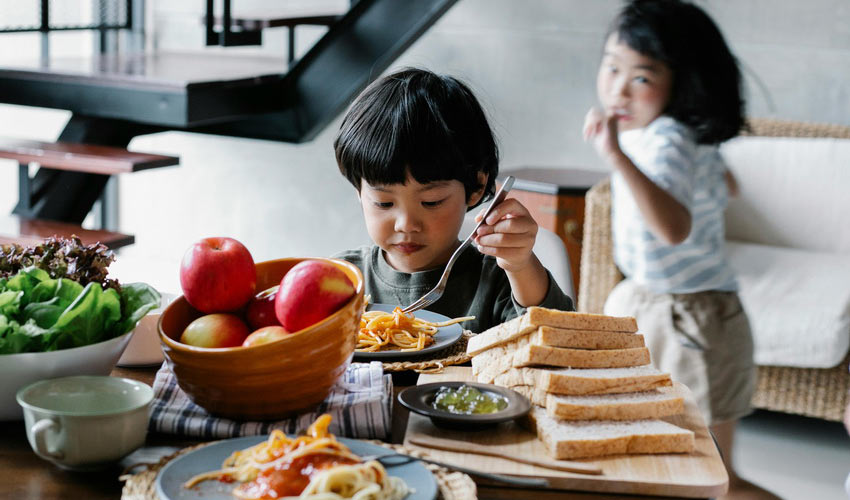
Pasta enthusiasts particularly enjoy spaghetti, so why not take it a step further by incorporating vegetable noodles? Zucchini noodles, for instance, can be seamlessly blended with traditional pasta for a nutritious twist that adds both taste and visual appeal. This creative approach not only makes the dish healthier but also sparks curiosity and excitement about trying new vegetables. As your child grows and becomes more engaged in the kitchen, capitalise on this newfound enthusiasm by involving them in meal preparation. During pizza night, present a variety of cooked vegetables like carrots, peas, sliced bell peppers, and mushrooms, and invite them to create their own masterpiece. The creative process of arranging these veggies into a smiley face or other fun designs adds an element of play, making them more inclined to taste their own creations. In this way, not only do you foster a more positive relationship with vegetables, but you also empower your children to take ownership of their meals. By introducing veggies in a playful, creative manner, you’ll help cultivate a lifelong appreciation for healthy eating habits while ensuring they have fun along the way. Emphasising enjoyment and creativity in the kitchen transforms vegetable consumption from a chore into an adventure, making nutritious eating not only attainable but genuinely exciting for your little ones.
Transform Mealtime into a Colourful & Playful Adventure – Engaging Kids with Shape and Colour
Encouraging your toddler to embrace a variety of vegetables can sometimes feel like a daunting challenge. However, the solution might lie not just in the veggies themselves, but in how they’re presented. By adding a touch of creativity with playful shapes and vibrant serving dishes, you’re setting the stage for a delightful dining experience that kids will eagerly participate in! If you find that your little one turns their nose up at traditional sliced or chopped vegetables, get ready to unleash your culinary imagination! Instead of the usual cuts, try transforming those veggies into eye-catching shapes like stars, hearts, or even playful animals. This can be as simple as wielding a sharp knife with skill or, for an even easier approach, investing in fun-shaped fruit and vegetable cutters. Not only do these whimsical shapes spark curiosity, but they can also make eating veggies feel like a fun game rather than a chore. Presentation plays a vital role in food appeal, especially for little ones. Serve those creatively cut veggies in brightly coloured bowls or plates that catch the eye and ignite excitement. Children are naturally drawn to vibrant hues, and a splash of colour can make the meal feel like a festive occasion! Consider pairing the colourful serving dishes with playful utensils such as forks shaped like dinosaurs, spoons resembling construction vehicles, or vibrant designs featuring beloved animals. These fun touches will keep mealtime lively and entertaining, transforming what could be a mundane task into a joyful adventure. By making veggies visually impactful and engaging through imaginative shapes and dazzling colours, you’re not just serving food; you’re creating an invitation to explore new tastes and textures. Watch as your toddler’s interest in vegetables blossoms, all while turning mealtime into memorable moments filled with fun and laughter! Embrace the magic of presentation, and soon enough, you may find your little one asking for more veggies.
Transform Your Meals – Sneak Vegetables Into Every Bite
Unlock the secret to a healthier lifestyle by effortlessly incorporating more vegetables into your everyday meals! The beauty of veggies lies in their incredible versatility; they can blend seamlessly into various dishes, making it easy to enhance nutrition without sacrificing flavour. From sauces to snacks, the possibilities for vegetable integration are virtually limitless!
- Savvy Sauces & Dips: Elevate your favourite sauces and dips by disguising nutrient-packed vegetables within rich flavours. Imagine a creamy green mac and cheese bursting with the goodness of spinach, or a robust veggie-infused tomato sauce that sneaks in carrots and zucchini while delighting the taste buds. For a twist, whip up a caramelized onion dip with hidden cauliflower that no one will suspect.
- Smoothies & Sweet Treats: Give your morning smoothies a nutrient boost by adding any leafy green or even beets for that gorgeous colour and health perks. You can create kid-friendly blended fruit and vegetable popsicles that are not only refreshing but also a fun way for the whole family to enjoy veggies in a deliciously sweet package. And let’s not forget about veggies in homemade applesauce: mix in beets and carrots for a vibrant and nutritious twist that even picky eaters will adore!
- Breakfast Boost: Want an easy way to up your toddler’s vegetable intake? Start their day with a hearty bowl of oatmeal enriched with shredded zucchini or riced cauliflower for added texture and nutrition. Pancake, waffle, or muffin mornings can also see a colourful upgrade when you stir in spinach, carrots, mashed sweet potatoes or beets, and purées of pumpkin or squash. These wholesome additions can transform those beloved breakfast staples into veggie powerhouses!
- Savoury Delights: Don’t overlook protein-packed foods! Meatballs, salmon patties, egg bites, and frittatas can all benefit from finely chopped veggies and fragrant herbs. Incorporating colourful additions like bell peppers, onions, or even kale can enhance taste and texture while achieving a well-rounded meal that leaves everyone satisfied.
Packaged Veggie Foods – A Smart Approach for Your Toddler’s Nutrition
In today’s fast-paced world, the convenience of packaged foods often tempts parents, especially those looking to sneak more vegetables into their toddler’s diet. Many of these products proudly boast of being “veggie-packed,” but as parents, it’s essential to exercise discernment when selecting these options for your little ones. While some packaged foods can serve as a healthy addition to a varied diet filled with diverse vegetable preparations, they should never be the sole source of vegetables for your toddler. Limiting their exposure to fresh or home-cooked vegetables may lead to them developing a preference for these processed options, making it increasingly challenging to introduce a wider range of nutritious foods. Moreover, not all packaged veggie products are suitable for toddlers. Many may contain added ingredients or preservatives that aren’t ideal for developing bodies. This is where your parental vigilance becomes crucial. Before adding those conveniently packaged veggie snacks to your shopping cart, take the time to scrutinise the ingredient list and nutrition label. It’s important to ensure that the health claims and vegetable content are legitimate. Look for options that highlight whole vegetables or veggie flours among the first few ingredients, as these are indicative of a product that’s genuinely nutritious. Additionally, steer clear of options laden with excessive sodium and added sugars. Remember, the journey of instilling healthy eating habits in your child begins with your choices. By being selective and informed about the packaged foods you introduce, you can cultivate a diverse palate in your toddler, paving the way for a lifetime of healthy eating habits. So, go ahead and explore the world of packaged veggie foods but do so with a discerning eye, ensuring that your toddler’s diet remains vibrant and varied! If we could do it, you guys can do it as well!
Three Kid-Friendly Meals that Include Veggies
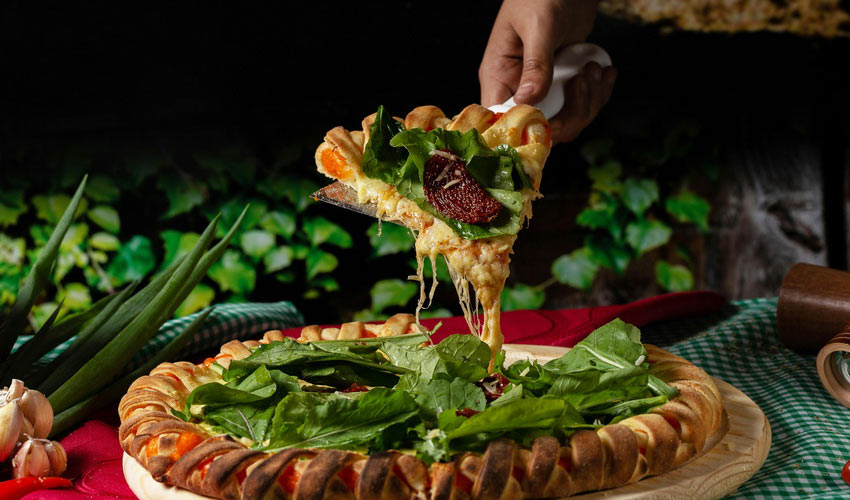
- Veggie-Packed Mini Pizzas: Ingredients – Whole wheat English muffins, pizza sauce, shredded mozzarella cheese, diced bell peppers, sliced mushrooms, spinach, and olives. Instructions – Toast the English muffin halves, spread a little pizza sauce on each, top with cheese and veggies, and bake at 400°F for about 10 minutes until the cheese is bubbly.
- Colourful Veggie Pasta Salad: Ingredients – Whole grain pasta, cherry tomatoes, cucumber, bell peppers, broccoli florets, olives, and a light vinaigrette or Italian dressing. Instructions – Cook the pasta according to package instructions. Drain and rinse under cold water. In a big bowl, mix the pasta with chopped veggies and dressing. Serve chilled or at room temperature.
- Rainbow Vegetable Tacos: Ingredients – Corn tortillas, black beans, shredded lettuce, diced tomatoes, grated carrots, avocado slices, and corn. Instructions – Heat the tortillas in a pan. In each tortilla, layer black beans, lettuce, tomatoes, carrots, avocado, and corn. Add a squeeze of lime juice for extra flavour. Serve with salsa on the side.
”Nutrition isn’t just about eating, it’s about learning to live.” – Patricia Comptton


