


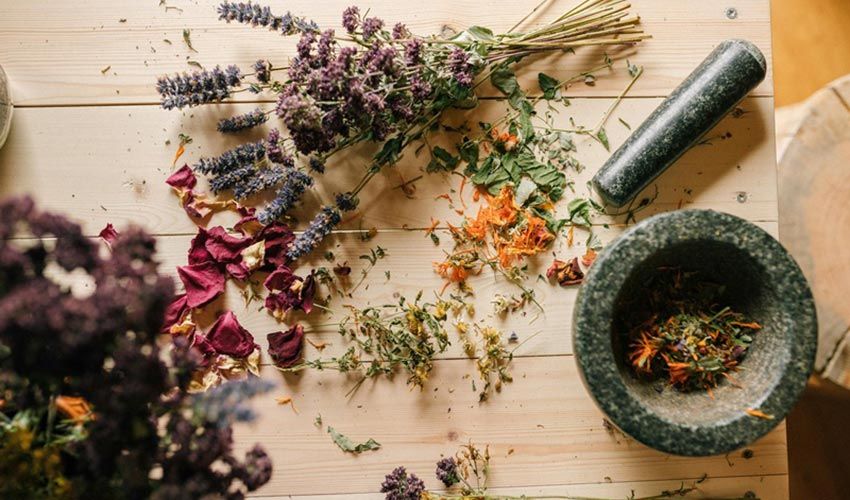
Do you believe in the healing power of herbs? Do you have a garden? If your answers are ‘Yes,’ then why not cultivate your own herbs to create a natural medicine cabinet? We’ve been doing it for years. Discover how to empower your health by creating a natural medicine cabinet brimming with herbs that can swiftly address a range of ailments. As the chill of winter approaches, it seems that viruses are eager to join us indoors. I think we can all agree that illness is the last thing we want in our homes. In the past, I would have reached for over-the-counter medications to cope with stomach issues or slathered on some balm to ease the discomfort of a cold, usually just waiting it out until I felt better. However, my approach to health has evolved since those days.
Sebastian Kneipp, the pioneering Bavarian priest and therapist of the 19th century, firmly believed that “for every disease, there is a herb.” It’s remarkable how many herbs, wild plants, and even tree leaves possess extraordinary healing properties. The good news is that these natural remedies flourish abundantly during spring and summer. I encourage everyone to create a “natural medicine cabinet” at home, providing easy access to the potent healing power of herbs whenever needed.
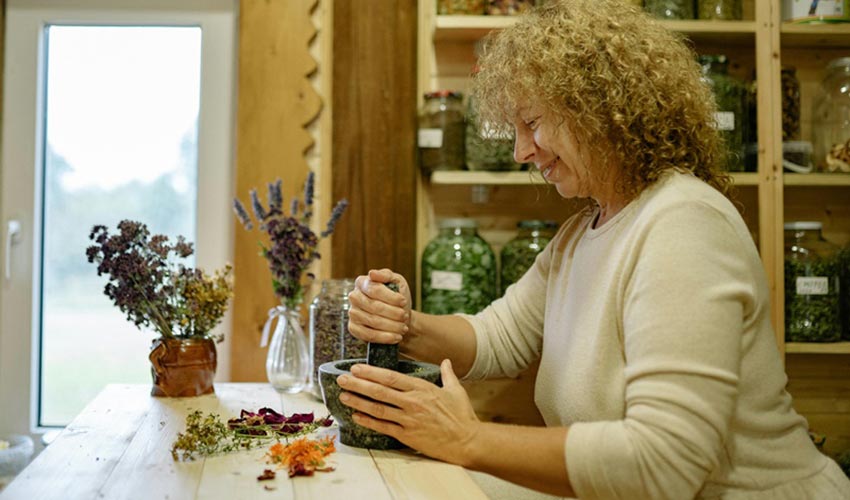
The Revival of Ancient Wisdom – Unearthing the Secrets of Nature’s Pharmacy
Throughout the annals of history, the profound connection between humans and the natural world has revealed fascinating insights, shedding light on a time when wisdom was intrinsically linked to the earth. Remarkably, evidence suggests that many animals including primates, sheep, blue tits and monarch butterflies, possess an instinctual understanding of the healing properties found within plants. This innate knowledge likely extends back to our early human ancestors, who revered and utilised the medicinal gifts of nature. A compelling testament to this ancient practice lies in the remarkable discovery of Ötzi, the 5,300-year-old glacier mummy, who was found carrying birch bracket fungi, presumably as a remedy for ailments.
Equally captivating is the Ebers Papyrus, an ancient Egyptian document dating back to the 16th century BC, which stands as one of the earliest records of herbal medicine. It illustrates the rich tapestry of knowledge that has informed our understanding of health and healing over millennia. As we move through history, the Middle Ages mark a significant chapter in the cultivation and documentation of medicinal plants. Monastic orders took on the mantle of herbalists, meticulously studying and cataloging remedies with a reverent dedication. One notable figure from this era, the Hispano-Arabic physician and botanist Ibn al-Baitar, left an indelible mark on the world of herbal medicine. In approximately 1230, he compiled extensive descriptions and formulas for more than 1,400 plant-based remedies, illuminating the depth of knowledge accumulated by generations before him.
Fast-forward to the present day, and we find ourselves standing at the intersection of ancient wisdom and modern science. The resurgence of interest in phytotherapy reflects a growing recognition of the immense potential contained within medicinal plants. Today, pharmaceutical companies and pharmacologists are beginning to harness the power of phytochemicals, unveiling new pathways for drug discovery that echo the knowledge of our ancestors. As we rediscover this ancient treasure trove of wisdom, the synergy between traditional practices and contemporary innovations offers a promising horizon for healing and well-being. Embracing this journey not only honours the legacy of those who came before us but also invites us to reconnect with nature’s timeless pharmacopoeia, forging a path toward a healthier future rooted in heritage and integrity.
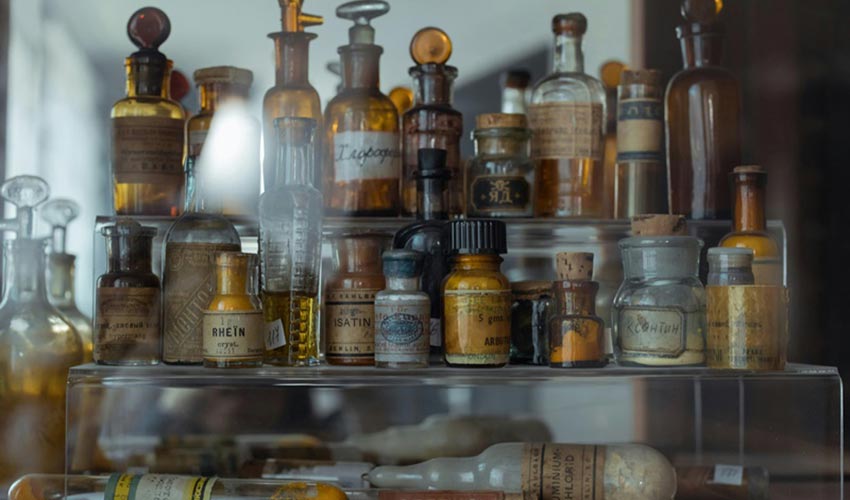
26 Natural Remedies to Combat Everyday Ailments
It’s time to shift our perspective on modern medicine. While pharmaceutical drugs can be lifesaving, we often overlook the numerous alternatives that are not only effective but also come with far fewer side effects. In an age where health is paramount, understanding our options is crucial.
Consider these startling facts:
Acetaminophen, commonly known as Tylenol, has been linked to more cases of liver disease in the United States than any other single factor.
Non-Steroidal Anti-Inflammatory Drugs (NSAIDs) like ibuprofen can lead to severe gastritis and may result in dangerous stomach bleeding, occasionally necessitating hospitalization or surgery.
Proton Pump Inhibitors (PPIs), such as Prilosec, can impair the absorption of vital nutrients like vitamin B12 and potentially others, leading to further health complications.
These examples serve as a reminder that even medications labeled “safe” can pose risks, particularly when not used judiciously. Cleaning out your medicine cabinet should go beyond disposing of expired medications or items that may cause injury if ingested. It’s an opportunity to reassess your reliance on conventional drugs that may be more harmful than helpful.
Stocking Your Natural Home Remedy Arsenal
Nature provides us with a wealth of remedies that are not only safe but often just as effective, if not more so, than their pharmaceutical counterparts for tackling common ailments such as allergies, acid reflux, gas and bloating, constipation, headaches, menstrual pain, colds, flu, and more. You don’t need to invest a fortune or amass a vast collection of products to stock your natural medicine cabinet. Many effective remedies can be sourced from everyday ingredients found in your kitchen or health food shop. What’s particularly enticing about herbal and natural supplements is their versatility; many can address multiple ailments, making them both practical and economical.
So, whether you’re seeking relief from seasonal allergies or looking for a gentler solution to a troubled stomach, there’s a natural remedy waiting for you. Join us as we explore 26 holistic options that can help restore balance to your body and mind, ensuring you feel your best without relying on potential pharmaceuticals. Your health journey towards natural wellness begins here!
Be Prepared for Life’s Unforeseen Symptoms!
Imagine this: you wake up feeling under the weather, an unwelcome headache or sniffle creeping in just as your day begins. The last thing you want is to dash to the shop, scouring shelves for relief when all you need is a moment of comfort. That’s where the beauty of a well-stocked natural medicine cabinet comes into play! By taking the time to assemble your herbal remedies and essential ingredients ahead of time, you’re empowering yourself to tackle unexpected symptoms with ease and confidence.
Many of the herbal components on the curated list below can last for extended periods. Bulk herbs like chamomile for tea can surprise you with a shelf life of up to a year when stored correctly in a cool, dark place. Liquid extracts, known as tinctures, have a remarkable longevity as well, ensuring they’re available when you need them most. While fresh items like ginger have a shorter shelf life, they can still last for weeks with the right storage. Just pop that ginger in your fridge and keep garlic in a dry bowl on the counter for an extended stretch of benefits!
The Ultimate Green Medicine Cabinet – Must-Have Herbal Allies
Have a look at my carefully curated list of the top 20 herbal ingredients and supplementary natural remedies that I always keep on hand to address everyday health needs at home. Whether used individually or combined for enhanced effects, each of these “remedies” is designed to offer solace amidst the chaos of life’s unexpected bugs and ailments.
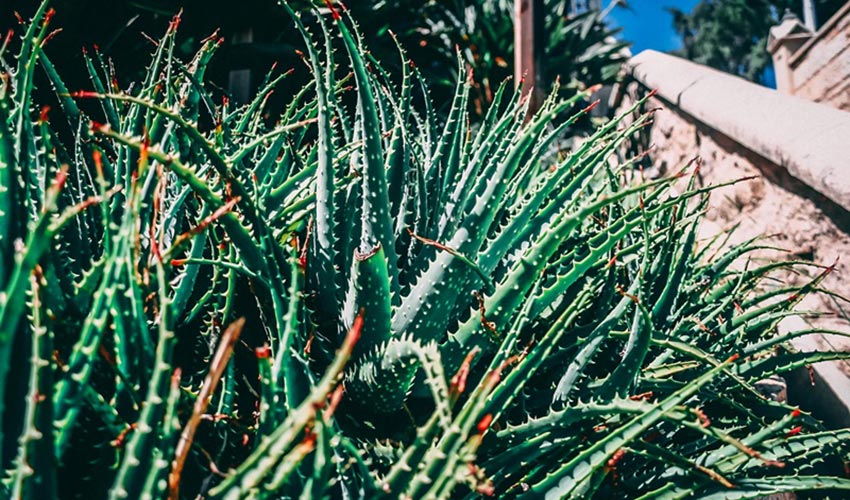
Aloe Vera: Harness the power of nature with fresh aloe gel straight from the plant (a lovely addition to your kitchen garden). It’s perfect for soothing minor burns, sunburns, and skin irritations. Alternatively, keep a prepared aloe gel in your medicine cabinet for instant relief.
Black Cohosh: The liquid extract serves as a mild yet effective alternative to over-the-counter pain relief. Perfect for menstrual cramps, headaches, and flu-related body aches, it adds a whole new dimension to herbal medicine’s benefits. *See Recipe Below.
Arnica Oil: A true ally for bruises and sprains, this topical application works wonders in hastening recovery and easing discomfort.
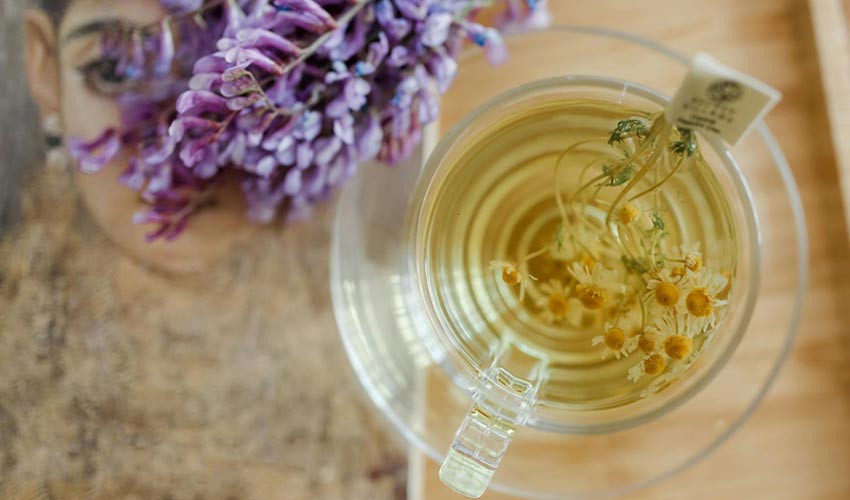
Chamomile Tea: A go-to remedy for tummy troubles, anxiety, and sleepless nights. Chamomile is not only soothing but also anti-inflammatory, making it beneficial for gut health too!
Cramp Bark: Crucial for menstrual cramps and bodily discomfort, having this liquid extract in your cabinet is a smart move.
Echinacea & Elderberry Syrup: These two botanicals team up to gently combat coughs, colds, and flu symptoms. Plus, they taste great and are perfect for getting kids on board with natural remedies!
Comfrey Leaf & Root: This herbal salve is excellent for treating irritated skin and minor wounds. Just remember, cleanliness is key before application! *See Recipe Below.
Fresh Ginger Root: A versatile ally, ginger can soothe fevers, nausea, and menstrual cramps. Crystallised ginger candy is fantastic for motion sickness too!
Garlic: Beyond its culinary benefits, garlic can be transformed into a powerful home remedy in the form of Garlic Honey Lemonade for colds and coughs.
Jamaican Dogwood: Known as nature’s pain reliever; when combined with Cramp Bark and Black Cohosh, it creates a robust solution for various pains.
Garlic-Mullein Oil: A superb solution for earaches, just a few drops can work wonders when used carefully.
Kava Kava: A natural anti-anxiety remedy, Kava kava can help you find calm, but do use it mindfully.
Liquorice: This herbal hero helps relieve heartburn and soothes sore throats while serving as a natural anti-inflammatory.
Lavender Essential Oil: The perfect antidote to stress and tension headaches! Apply a few drops to your temples or add to your bath for a soothing experience.
Mentholated Chest Rub: An essential item for taming coughs and beneficial for both kids and adults.
Peppermint Oil: Helps in relieving tension headaches and improving focus, an excellent companion for study sessions.
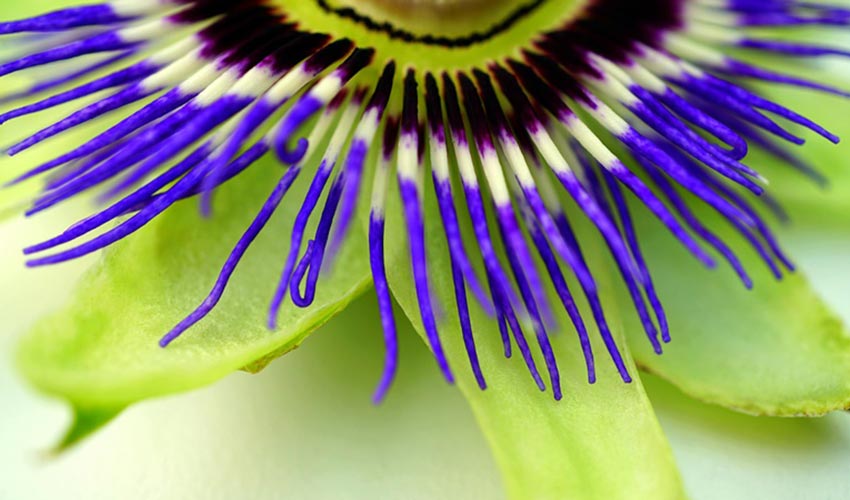
Passionflower: Ideal for promoting relaxation and better sleep, perfect for navigating stressful moments. *See Recipe Below.
Tea Tree Oil: An effective antiseptic and antifungal agent that’s useful for treating various skin infections. Just remember to dilute it for safe application!
Quercetin & Freeze-Dried Nettles: A powerhouse combo for allergy relief, ensure to take before allergy season starts or at the first sign of symptoms.
Slippery Elm: These lozenges are a soothing balm for a sore throat, offering both comfort and relief.

Additional Essentials for Your Herbal Arsenal
Beyond the top 20 herbal ingredients, consider incorporating these additional essentials into your natural medicine cabinet to further enhance your wellness toolkit:
Raw Honey: A natural sweetener with antimicrobial properties, raw honey can soothe sore throats, boost immunity, and provide a tasty addition to herbal teas or as a remedy for coughs.
Apple Cider Vinegar (With the ‘Mother’): With its numerous health benefits, apple cider vinegar can aid digestion, support detoxification, and be used as a natural remedy for skin irritations when diluted with pure water. Here you can purchase High Quality Apple Cider Vinegar.
Bicarbonate of Soda: This versatile ingredient is not just for baking! It can act as a natural antacid for heartburn and be used in soothing baths for irritated skin.
Activated Charcoal: Excellent for digestive distress, activated charcoal can help alleviate gas and bloating, and in some cases, act as a detoxifying agent.
Vitamin C Powder or Capsules: This immune-boosting vitamin is perfect for fighting off colds and can be particularly effective when taken at the first sign of illness.
Probiotics: Keeping a supply of probiotic capsules or fermented foods (like sauerkraut or kimchi) can promote gut health, bolster immunity, and help maintain overall health.
Turmeric: Known for its anti-inflammatory properties, turmeric can be included in your diet or taken as a supplement. It may assist with joint pain and digestive health. Also read: Curcumin in Thai Traditional Medicine.
Epsom Salt: Perfect for soaking away aches and pains, Epsom salt baths can help relieve muscle tension and promote relaxation after a long day.
Zinc Lozenges: Beneficial for shortening the duration of cold symptoms, zinc is a handy addition to combat illnesses during cold and flu season.
Sage: This aromatic herb is not just for culinary use but has antiseptic properties as well, making it useful for sore throats when brewed as tea or used as a gargle.
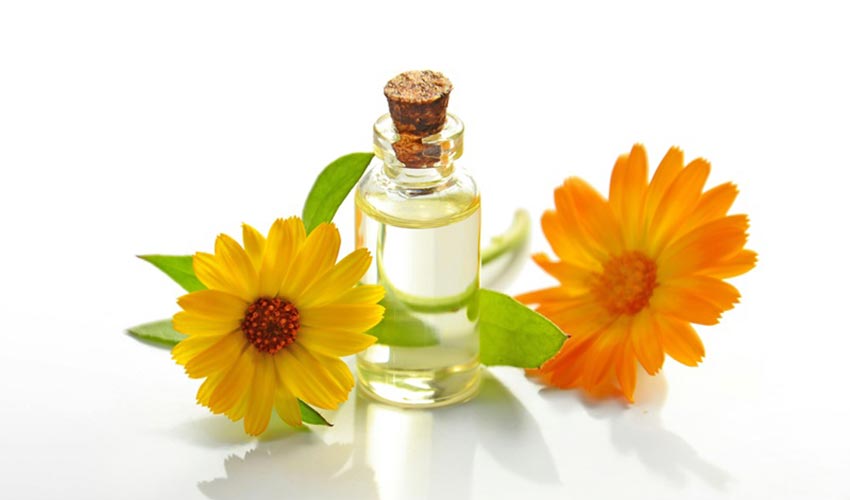
Calendula Ointment: This soothing salve is fantastic for healing skin irritations, rashes, and minor wounds.
Essential Oil Diffuser: A diffuser can be a great tool for delivering the calming effects of essential oils like eucalyptus, peppermint, or lemon, improving overall well-being and air quality in your home.
Grapefruit Seed Extract: An excellent addition for its antimicrobial properties, it can serve as a natural remedy to support digestive health and fight infections.
Nasal Saline Spray: This simple remedy can provide relief from nasal congestion and dryness, especially during cold and allergy seasons.
Building a well-rounded natural medicine cabinet requires thoughtful curation. By keeping these essential items within reach, you can quickly respond to various health needs, from minor irritations to seasonal discomforts, without the stress of last-minute shopping. Remember, it’s important to consult a healthcare professional before beginning any new supplement or herbal regimen, especially if you have existing health conditions or are pregnant or nursing.
How to make Black Cohosh Liquid Extract
Creating a liquid extract from black cohosh (Actaea racemosa) involves a process of macerating the plant material and then extracting its medicinal properties using a menstruum, usually alcohol or glycerin. Here’s a simple method to make a black cohosh liquid extract:
Ingredients:
- Dried black cohosh root (or fresh root if available)
- Alcohol (vodka or another high-proof alcohol) or vegetable glycerin for a glycerin-based extract
- Glass jar with a tight-sealing lid. I highly recommend an Apothecary Miron Glass Jar!
Equipment:
- Blender or mortar and pestle (if using dried root)
- Cheesecloth or fine strainer
- Miron Glass bottle for storage
- Measuring tools
Instructions:
- If you’re using dried black cohosh root, break it up into smaller pieces using a blender or mortar and pestle to increase the surface area for extraction.
- If you’re using fresh root, chop it into small pieces.
Maceration:
- Measure the plant material. A common ratio is 1 part of dried herb to 5 parts alcohol (1:5).
- For example, if you have 1 ounce of dried black cohosh, use about 5 ounces of alcohol.
- Place the chopped black cohosh root into the glass jar.
- Pour the alcohol (or glycerin) over the plant material, ensuring it is fully submerged.
- Leave some space at the top of the jar to allow for expansion.
Infusion:
- Seal the jar tightly and shake it gently to mix the contents.
- Store the jar in a cool, dark place for 4-6 weeks.
- Shake the jar every few days to help with the extraction process.
Straining:
- After the infusion period, strain the mixture through cheesecloth or a fine mesh strainer to separate the liquid from the plant material.
- Squeeze the cheesecloth to extract as much liquid as possible.
Storage:
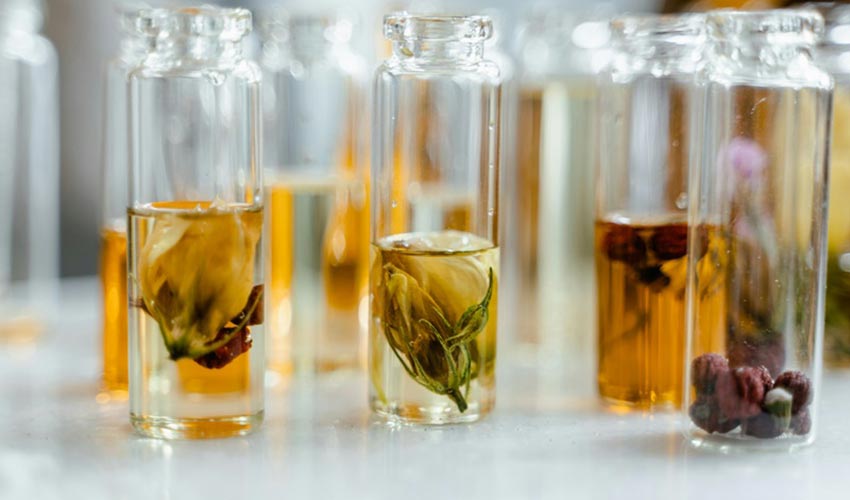
- Transfer the strained liquid extract into a dark glass bottle for storage, which helps protect it from light degradation.
- Label the bottle with the date and contents.
- Store it in a cool, dark place.
Dosage & Usage:
- Liquid extracts are typically taken in small doses, such as 1-2 dropperfuls, diluted in pure water or another drink. However, it’s important to consult with a healthcare provider to determine the appropriate dosage for your individual needs.
u>Note:
Black cohosh should be used responsibly and under the guidance of a healthcare professional, especially for specific medical conditions or in combination with other medications. Ensure that the source of your black cohosh is sustainable and ethical, as overharvesting can threaten wild populations. Always conduct thorough research or consult a herbalist or healthcare professional before making and using herbal extracts.
How to make Comfrey Leaf & Root Herbal Salve
Making a comfrey leaf and root herbal salve is a rewarding process, and comfrey is often used for its reputed healing properties, particularly for skin issues and injuries. Here’s a simple guide to making your own comfrey salve:
Ingredients:
- Comfrey Leaves and Roots: You can use both fresh or dried comfrey.
- Carrier Oil: Olive oil, coconut oil, or another suitable oil.
- Beeswax: This is what will thicken your salve.
- Essential Oils (optional): Such as lavender or tea tree for scent and additional benefits.
- Vitamin E Oil (optional): As a preservative and for skin benefits.
Equipment Needed:
- Double boiler or a microwave-safe bowl.
- Cheesecloth or fine strainer.
- Small jars or tins for storing the salve.
- A heat-safe container for melting wax.
Steps to Make Comfrey Salve:
Step 1: Prepare the Comfrey
- Harvesting: If you are using fresh comfrey, wash the leaves and roots thoroughly to remove dirt and debris.
- Chop: Chop the leaves and roots into small pieces to help release their properties.
Step 2: Infuse the Oil
- Combine: In a double boiler, combine your chopped comfrey and the carrier oil. Use enough oil to cover the plant material completely.
- Heat: Allow the mixture to heat gently (do not boil) for about 1-3 hours. This lets the beneficial compounds from the comfrey infuse into the oil.
- Stir occasionally and keep an eye on the temperature to prevent burning.
- Strain: After infusing, strain the mixture through cheesecloth or a fine strainer to get rid of the plant material.
- You will be left with comfrey-infused oil.
Step 3: Make the Salve
- Melt Beeswax: In a separate container, measure out the beeswax. A common ratio is 1 part beeswax to 3 parts infused oil, but you can adjust it based on how thick you want your salve.
- Combine: In your double boiler, combine the infused comfrey oil and melted beeswax. Stir until the beeswax is fully melted and mixed with the oil.
- Add Extras: If desired, add a few drops of essential oils, and a little Vitamin E oil for extra nourishment.
Step 4: Pour and Cool
- Pour: Carefully pour the mixture into your jars or tins. Be cautious as the mixture will be hot.
- Cool: Allow the salve to cool completely and solidify, which may take a few hours.
Step 5: Store
- Seal: Once set, seal the jars or tins and label them, including the date.
- Store: Store in a cool, dark place. The salve should last for several months if kept away from moisture and heat.
Usage:
- Apply the salve to the affected area as needed for skin irritations, bruises, or minor wounds, but avoid using it on open wounds or broken skin.
- Always do a patch test first to check for reactions.
Note:
While comfrey has many traditional uses, it contains compounds called pyrrolizidine alkaloids, which can be harmful to the liver if used improperly. It’s best to use comfrey externally and avoid prolonged use. Consult with a healthcare professional before using comfrey, especially during pregnancy or if you have liver issues.
How to Make Passion Flower Liquid Extract for Better Sleep
Making a liquid extract from passion flower (Passiflora incarnata) can be a great way to utilise its potential calming properties for better sleep. Here is a simple method to create a tincture or liquid extract using either the fresh or dried herb:
Ingredients:
- Passion flower plant material: Fresh leaves and flowers or dried herb.
- High-proof alcohol: Vodka (80-100 proof) is commonly used.
- Glass jar with a tight-fitting lid.
- Strainer or cheesecloth
- Miron glass bottle for storage
Instructions:
Preparation:
- If using fresh passion flower, gather enough leaves and flowers.
- Use around 1 part of fresh herb to 2 parts alcohol.
- If using dried passion flower, use approximately 1 part of dried herb to 5 parts alcohol.
Combine Ingredients:
- Place the passion flower in the glass jar.
- Pour the alcohol over the herb, completely submerging it.
- Leave some space at the top of the jar to allow for shaking.
Maceration:
- Seal the jar tightly and give it a good shake to mix the contents.
- Store the jar in a cool, dark place.
- Let it sit for about 4-6 weeks, shaking the jar gently every few days.
- This process helps to extract the beneficial compounds from the passion flower.
Strain the Extract:
- After the maceration period, use a strainer or cheesecloth to filter out the herb from the liquid extract.
- Gather the plant material and squeeze out any excess liquid.
- Discard the spent herb.
Storage:
- Transfer the liquid extract into a dark glass bottle for storage.
- Label the bottle with the date and contents.
- Store it in a cool, dark place.
- The tincture can last for several years when properly stored.
Dosage:
- General recommendation: Start with 1-2 ml (about 20-40 drops) of the tincture 30 minutes before bedtime.
- Adjust as necessary based on your response, but consult a healthcare professional if you have any concerns.
Safety Considerations:
Consult with a healthcare professional before starting any new herbal regimen, especially if you are pregnant, nursing, or taking medications. Passion flower should be used with caution, especially if you are also taking sedatives or other medications that affect sleep.
Note:
The effectiveness of passion flower can vary from person to person. Regular use may yield better results over time. Always pay attention to how your body reacts and adjust accordingly.
By focusing on natural medicine, you’re nurturing not just your physical health but also fostering a connection with nature’s bounty. Empower yourself, be prepared for life’s unforeseen symptoms and embrace the healing powers that reside in your very own herbal sanctuary!
“Plant Spirit Medicine is the shamans’ way with plants. It recognizes that plants have spirit and that spirit is the strongest medicine. Spirit can heal the deepest reaches of the heart and soul.” – Eliot Cowan


