



Today, I’m excited to cover one of my favorite subjects in natural health: Adaptogenic Herbs. These incredible gifts from Mother Earth possess remarkable powers to help our bodies manage and reduce stress. You might be surprised by just how much nature provides us with potent, gentle solutions to support our resilience and restore balance in the face of life’s daily challenges. Please join me as we explore the fascinating world of Adaptogens and discover how these ancient plants can transform your well-being.
I invite you on a captivating trip into the powerful world of natural remedies designed to ease stress and nurture holistic well-being. This exploration uncovers a rich variety of botanicals celebrated both historically and in modern times for their remarkable ability to calm the mind and rejuvenate the body. Across cultures and centuries, herbs have been treasured for their healing properties, offering gentle yet effective support for mental and physical balance. In this comprehensive guide I’ll highlight a diverse range of herbal allies, from potent Adaptogens like Ashwagandha and Holy Basil, known for their skill in regulating the body’s stress response, to delicate calming herbs such as Chamomile, Lavender, and Lemon Balm, revered for their soothing influence on the nervous system.
Delving beyond tradition, this narrative unpacks the science behind these botanicals, revealing how compounds like flavonoids, terpenes, and adaptogenic elements engage with the body’s systems. These natural ingredients work synergistically to lower stress hormone levels and cultivate a profound sense of calm and resilience. The trip continues through the many ways these herbs can be enjoyed, whether as fragrant teas, concentrated tinctures, aromatic essential oils, or convenient supplements, empowering you with practical knowledge to seamlessly incorporate their benefits into your daily routine.
Moreover, this guide shines a light on contemporary scientific research that validates ancient wisdom. Clinical studies and trials provide compelling evidence of their effectiveness in managing stress, bridging the gap between traditional healing and modern medicine. Importantly, this exploration also underscores the necessity of responsible use. It addresses potential contraindications and stresses the importance of consulting healthcare professionals to ensure safe and personalised integration of these powerful botanicals into your health regimen. What I aim to present here is an immersive and enlightening trip into the field of nature’s healing treasures, herbal remedies crafted to ease the relentless pressures of modern-day stress. This introduction sets the tone by highlighting the vital importance of these botanical allies and their transformative power to restore harmony to the mind, body, and spirit.
In today’s fast-moving world, stress has quietly woven itself into the fabric of our daily lives, impacting both mental clarity and physical health. Against this challenging backdrop, the growing appeal of turning back to nature’s pharmacy for comfort and healing has never been stronger. This guide serves as a shining beacon, leading seekers toward timeless, potent herbal solutions that have been trusted for generations to break stress’s pervasive hold. This exploration goes far beyond a simple recounting of ancient remedies. It is a thoughtful fusion of an old tradition with cutting-edge scientific understanding. Tracing herbal medicine’s storied roots across diverse cultures, it celebrates the enduring legacy and worldwide significance of these natural stress relievers.

At the same time, it unravels the complex biochemistry and physiological effects behind these plants, how Adaptogens finely tune the body’s stress response and nervine herbs gently soothe the nervous system. This foundational insight reveals the intricate ways these botanicals promote relaxation, emotional balance, and resilience. Rooted firmly in the evolving landscape of scientific research, this guide embraces contemporary studies that validate the efficacy of these herbs, reinforcing their rightful place in modern stress management. Yet, it also advocates for mindful, informed use, encouraging readers to integrate these remedies thoughtfully and under proper guidance. Ultimately, this guide to stress-reducing botanicals is much more than a collection of herbs as it is a tribute to nature’s profound healing wisdom. It invites you to embark on a transformative voyage toward holistic stress relief and a renewed sense of well-being.
Description of Several Powerful Adaptogenic Botanicals
List of Herbs to Decrease Stress
Let’s begin with a brief introduction to some of the most powerful stress-relieving herbs nature has to offer. These remarkable botanicals have been used for centuries across various healing traditions to help the body and mind navigate the many challenges of stress, fatigue, and imbalance. Adaptogenic herbs don’t just mask the symptoms of stress; they work on a deeper level, enhancing the body’s innate ability to adapt, recover, and thrive under pressure. Each herb brings its own unique strengths, some calm the nervous system and promote restful sleep, others invigorate the body and sharpen mental clarity, and many offer immune support to help prevent burnout. Together, they form a natural toolkit for building resilience, restoring equilibrium, and enhancing overall well-being in a sustainable way.
In the sections that follow, this guide will explore some of these Adaptogenic powerhouses in greater depth along with a few not mentioned ones. You’ll learn about their traditional uses, modern scientific insights, and practical ways to incorporate them into your daily routine. Whether you’re looking to ease anxiety, boost energy, or simply feel more balanced and grounded, these herbs offer a time-tested, holistic approach to stress management and self-care. …
Valerian Root: Valerian Root has long been revered as a powerful natural remedy, widely embraced for its remarkable ability to ease insomnia and alleviate anxiety. Known for its calming properties, this ancient herb gently soothes the nervous system, helping to quiet restless minds and foster deep, restorative sleep. By promoting relaxation and reducing the tension that often accompanies stress and anxiety, Valerian Root offers a holistic approach to achieving tranquillity without the side effects commonly associated with pharmaceutical sleep aids or anti-anxiety medications. Its subtle yet effective influence on the body’s calming pathways makes Valerian Root a trusted ally for those seeking natural relief and a peaceful night’s rest.
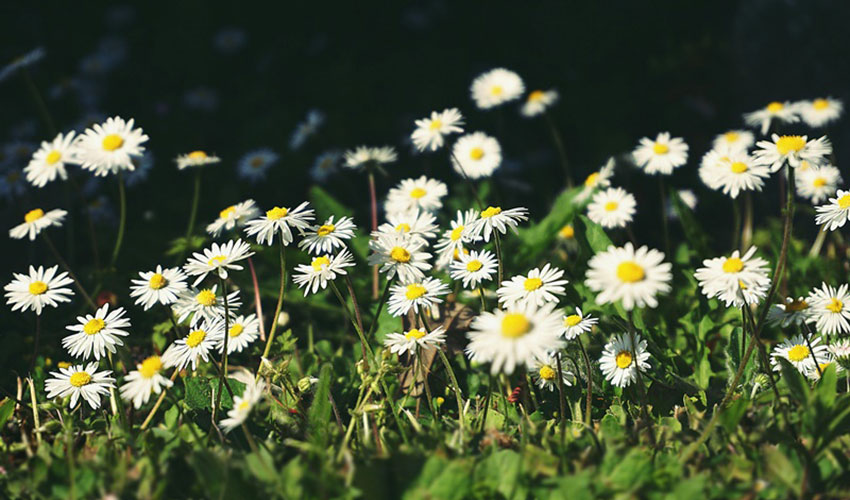
Chamomile: Chamomile, a beloved and gentle herb, has been cherished for centuries as a soothing natural remedy, most commonly enjoyed as a fragrant, warm tea. Renowned for its remarkable calming properties, Chamomile offers a tender embrace to those grappling with anxiety and stress, helping to quiet the mind and ease emotional tension. Its delicate floral aroma and subtle, comforting flavour create a sensory experience that promotes relaxation and serenity. Beyond its traditional use, Chamomile’s therapeutic effects extend to supporting restful sleep, calming digestive discomfort, and nurturing overall well-being. This versatile herb works harmoniously with the body’s natural rhythms, making it an accessible and nurturing choice for anyone seeking gentle, holistic support in managing the pressures of daily life. Whether sipped in the evening to unwind or enjoyed throughout the day as a moment of calm, Chamomile remains a timeless botanical ally for stress relief and emotional balance.
Kava: Kava Root, a powerful botanical treasure native to the South Pacific, is widely celebrated for its potent sedative and anxiolytic properties. Traditionally used in ceremonial and social contexts, Kava has gained global recognition as a natural remedy for reducing anxiety and fostering deep relaxation. Its unique chemical compounds, known as kavalactones, interact with the brain’s neurotransmitters to calm nervous tension, soothe the mind, and ease feelings of stress without impairing mental clarity or cognitive function. Unlike many conventional sedatives, Kava promotes a serene state of calmness that helps people manage anxiety and unwind from the pressures of daily life while maintaining alertness and composure. This makes it an appealing option for those seeking alternative ways to alleviate nervousness, restlessness, or mild insomnia naturally. Beyond its calming effects, Kava Root supports emotional balance and social ease, often encouraging a sense of well-being and connection. Whether consumed as a traditional drink, tincture, or supplement, Kava offers a holistic approach to relaxation, inviting users to experience tranquillity rooted in centuries of cultural wisdom and modern scientific validation.
Passionflower: Passionflower, a strikingly beautiful and aromatic vine, has been treasured in traditional medicine for centuries as a natural remedy to promote deep relaxation and alleviate the burdens of anxiety and stress. Renowned for its calming influence on the nervous system, Passionflower gently eases mental tension, helping to soothe restless thoughts and foster a sense of inner peace. Its therapeutic effects extend beyond simple relaxation; Passionflower has been used to address symptoms such as nervousness, irritability, and even mild insomnia, making it a versatile botanical ally for emotional well-being. The plant’s bioactive compounds, including flavonoids and alkaloids, work synergistically to support the body’s natural ability to reduce stress hormone levels and enhance mood stability. Often enjoyed as a tea, tincture, or supplement, Passionflower offers a holistic approach to managing the pressures of modern life by nurturing a calm and balanced state of mind. Its soothing properties make it an inviting choice for those seeking gentle, natural relief from anxiety, allowing for restored serenity and improved sleep quality. Embracing Passionflower is embracing centuries of healing tradition combined with modern insights into holistic stress management.
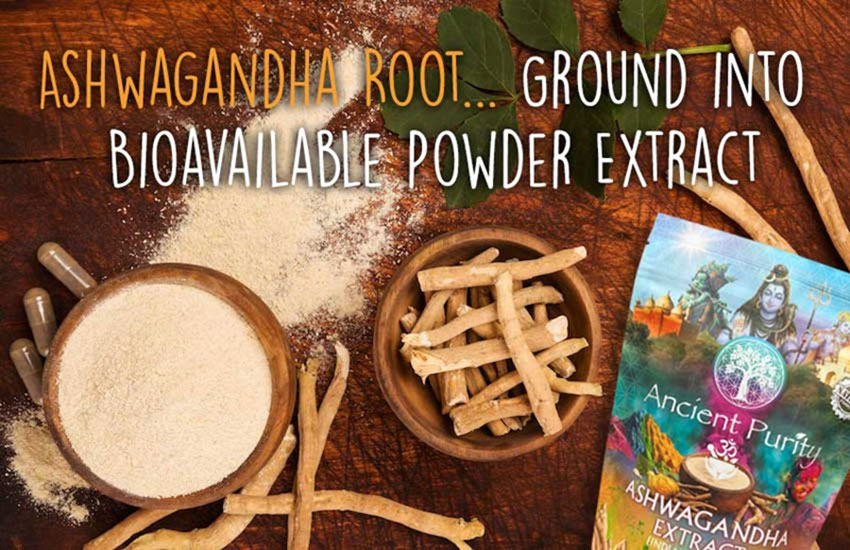
Ashwagandha: Ashwagandha, a revered adaptogenic herb deeply rooted in the ancient wisdom of Ayurvedic medicine, is celebrated for its extraordinary ability to help the body adapt to and manage stress and anxiety. Often referred to as “Indian Ginseng,” Ashwagandha has been used for thousands of years to restore balance and vitality, supporting both mental and physical resilience in the face of life’s challenges. This powerful herb works by modulating the body’s stress response systems, including the adrenal glands and the hypothalamic-pituitary-adrenal (HPA) axis, helping to regulate cortisol levels, the primary hormone associated with stress. By calming the nervous system and promoting a sense of grounded calm, Ashwagandha reduces feelings of anxiety, enhances mood stability, and improves overall emotional well-being. Beyond its stress-relieving capabilities, Ashwagandha is known to boost energy, enhance cognitive function, and support restful sleep, making it an invaluable ally in today’s fast-paced, high-pressure world. Whether taken in powdered form, capsules, or tinctures, ashwagandha offers a holistic, time-tested approach to nurturing the body’s innate ability to maintain homeostasis and thrive amid stress. Embracing Are you looking for a profound natural tool for achieving balance, strength, and serenity? Here you can purchase Pure Ashwagandha Extract.
Lavender: Lavender, a fragrant flowering herb cherished for centuries, is widely celebrated for its profound calming effects on the nervous system. Its soothing properties make it a cornerstone in both aromatherapy and herbal medicine, where it is frequently employed to promote relaxation, reduce stress, and support emotional well-being. In aromatherapy, Lavender essential oil is often diffused into the air, applied topically, or added to bathwater to harness its tranquil, floral scent. Scientific studies have shown that inhaling Lavender’s aromatic compounds can help lower cortisol levels, the body’s primary stress hormone. The herb encourages a sense of peace and mental clarity. This makes it especially beneficial for those dealing with anxiety, insomnia, or nervous tension. Equally popular in herbal teas, dried Lavender buds are steeped to create a delicately flavoured infusion known for its gentle sedative effects. Sipping lavender tea before bedtime can help calm a racing mind, ease muscle tension, and prepare the body for restful sleep. Many herbalists also recommend Lavender for those experiencing digestive issues linked to stress, as its soothing influence extends to the gut-brain axis. Beyond its pleasant aroma and taste, Lavender’s interaction with the nervous system is both subtle and powerful. It works in harmony with the body’s natural rhythms, making it a safe and effective remedy for those seeking natural support in times of emotional or physical overwhelm. Whether inhaled as an essential oil or enjoyed in a warm cup of tea, lavender remains one of nature’s most trusted allies in the pursuit of calm, balance, and holistic wellness.
Holy Basil (Tulsi): Holy basil, also known as Tulsi, holds a sacred place in Ayurvedic medicine, where it has been revered for thousands of years not only as a spiritual herb but also as a powerful natural remedy. Among its many benefits, Holy Basil is especially valued for its remarkable Adaptogenic properties, its ability to help the body adapt to physical, emotional, and environmental stressors while restoring balance and promoting resilience from within. As an adaptogen, Holy Basil works holistically to regulate the body’s stress response. When faced with chronic stress, whether due to modern lifestyles, poor sleep, or emotional challenges, the body often becomes overwhelmed, leading to imbalances in hormones, energy levels, and immune function. Holy Basil steps in as a natural modulator, helping to normalise cortisol levels, support adrenal function, and maintain equilibrium across the body’s systems. In Ayurvedic philosophy, Tulsi is known as the “Elixir of Life” and is considered a rasayana, a herb that nourishes both the body and mind, slowing the ageing process and enhancing vitality. Regular use of Holy Basil, whether as a tea, tincture, capsule, or fresh leaf, is believed to uplift mood, sharpen mental clarity, and protect the body against the damaging effects of stress, such as inflammation, fatigue, and anxiety. Modern research supports these traditional beliefs, with studies showing that Holy Basil possesses potent antioxidant, anti-inflammatory, and neuroprotective effects. It not only calms the mind and stabilises mood but also enhances cognitive function and emotional well-being, making it a powerful ally for those seeking natural, long-term support for mental and physical stress management.
Ginseng: Ginseng, a legendary herb with deep roots in traditional Chinese and Korean medicine, is renowned for its powerful Adaptogenic properties making it a revered ally in supporting the body’s ability to adapt to stress, restore balance, and enhance overall well-being. Often referred to as a “natural revitaliser,” Ginseng has been used for centuries to promote strength, stamina, mental clarity, and resilience in the face of both physical and emotional challenges. As an Adaptogen, Ginseng works by modulating the body’s stress response systems, including the hypothalamic-pituitary-adrenal (HPA) axis and the sympathetic nervous system. When life becomes overwhelming, whether due to fatigue, emotional pressure, illness, or demanding work, Ginseng helps the body maintain internal stability. It acts like a buffer, preventing stress from taking a lasting toll on your energy levels, mood, and immune system. There are several types of Ginseng, with Panax ginseng (Asian ginseng) and Panax quinquefolius (American ginseng) being the most studied and widely used. Asian Ginseng is typically more stimulating and is often recommended for boosting energy, mental performance, and endurance, while American Ginseng is considered more calming and nourishing, ideal for supporting the immune system and combating fatigue. Scientific research has validated many of Ginseng’s traditional uses, showing that it can help reduce mental fatigue, improve cognitive function, enhance mood, and support immune health. Its rich content of ginsenosides, bioactive compounds unique to Ginseng, are believed to play a key role in its Adaptogenic and antioxidant effects, helping to protect cells from oxidative stress and support the body’s ability to heal and recover.
Lemon Balm: Lemon Balm, a distinguished member of the mint family, is renowned for its soothing and calming properties. Its gentle, citrus-infused aroma and flavour have made it a popular herbal remedy for promoting relaxation and alleviating stress. Traditionally, Lemon Balm has been valued for its ability to ease anxiety, improve mood, and support mental clarity, making it a favoured choice for those seeking natural ways to achieve tranquillity and emotional balance. Its versatile use in teas, tinctures, and herbal infusions underscores its reputation as a calming botanical that nurtures both the mind and body.
Rhodiola Rosea: Rhodiola Rosea, a powerful Adaptogenic herb, is widely celebrated for its remarkable capacity to enhance the body’s resilience to stress. As an Adaptogen, it works by helping the body adapt more effectively to physical, emotional, and environmental pressures, thereby promoting a sense of balance and well-being. Beyond its stress-relieving properties, Rhodiola Rosea is also renowned for its ability to elevate mood and boost energy levels, making it an invaluable natural support for those experiencing fatigue or emotional exhaustion. Its invigorating effects can help improve mental clarity, focus, and stamina, empowering people to face daily challenges with greater resilience and vitality. This versatile herb has been used for centuries in traditional medicine to foster mental and physical endurance, and modern research continues to highlight its potential as a natural remedy for enhancing overall resilience and vitality.
Cordyceps
Cordyceps is a genus of parasitic fungi known for its remarkable biological properties and historical significance in traditional medicine. These fungi are primarily found in humid, mountainous regions of Asia, including China, Nepal, and Tibet. The most well-known species within this genus is Cordyceps sinensis, also called Ophiocordyceps sinensis, which has been highly valued for centuries in traditional Chinese medicine. Cordyceps fungi are unique in their life cycle, as they parasitise insects and arthropods. The fungus infects a host insect, gradually consumes it from within, and eventually produces a fruiting body that emerges from the host’s body. This process results in a distinctive appearance, often with the fungal fruiting body protruding from the insect carcass, creating a striking visual that has contributed to its cultural and medicinal significance. From a pharmacological perspective, Cordyceps are renowned for their potential health benefits. They are believed to possess Adaptogenic properties, helping the body resist stress and improve overall vitality. Scientific studies have suggested that compounds found in Cordyceps, such as polysaccharides, cordycepin, and adenosine, may exhibit anti-inflammatory, antioxidant, immunomodulatory, and anti-tumour effects. These properties have prompted extensive research into their potential applications in supporting immune function, enhancing athletic performance, and managing certain health conditions.
In recent years, Cordyceps have gained popularity as food supplements, available in various forms including capsules, powders, and extracts. However, due to the high cost and difficulty of harvesting wild specimens, cultivated varieties have been developed to meet market demand. It is important to note that while promising, scientific evidence supporting some health claims remains limited, and further rigorous clinical trials are necessary to fully understand their efficacy and safety. In summary, Cordyceps are a fascinating group of parasitic fungi with a rich history in traditional medicine and a growing body of scientific interest. Their unique life cycle, bioactive compounds, and potential health benefits make them a significant subject of study within mycology, pharmacology, and integrative medicine.
Valerian (Valeriana officinalis L.)
Valerian, scientifically known as Valeriana officinalis, is a perennial herb that originates from the regions of Europe and Asia. For centuries, it has been a cornerstone of traditional medicine, highly regarded for its calming and sedative properties. The therapeutic effects of Valerian are primarily attributed to its rich composition of bioactive compounds, including valerenic acid, valeranone, and various sesquiterpenes. These constituents are believed to work synergistically to produce its notable stress-relieving effects. One of the key mechanisms through which Valerian alleviates stress is by enhancing the activity of gamma-aminobutyric acid (GABA), a crucial neurotransmitter in the brain responsible for regulating anxiety and promoting relaxation. By increasing GABA’s effectiveness, Valerian helps to calm overactive neural pathways, reducing feelings of tension, nervousness, and emotional distress. This GABAergic action not only diminishes immediate feelings of stress but also contributes to a more balanced mood and improved emotional resilience.
In addition to its anxiolytic properties, Valerian is highly valued for its ability to improve sleep quality, a vital component of stress management. Stress and anxiety often disrupt sleep patterns, leading to difficulties falling asleep or staying asleep through the night. Research indicates that Valerian can help extend the duration of deep sleep stages and decrease nighttime awakenings, thereby enhancing both the quality and quantity of restorative sleep. Better sleep, in turn, equips people with greater energy and emotional stability during the day, creating a positive cycle of well-being. Valerian’s mild sedative effects make it a popular natural remedy for promoting relaxation and easing tension. It can be conveniently consumed in various forms, including teas, tinctures, or dietary supplements, offering a versatile approach to calming frazzled nerves and fostering mental tranquillity. Its gentle yet effective action makes it suitable for those seeking a natural way to manage daily stressors and nervousness.

However, it is important to use Valerian responsibly. Consulting with a healthcare professional before incorporating Valerian into your routine is advisable, especially if you have underlying health conditions or are taking other medications. While Valerian is a potent botanical with significant stress-reducing benefits, proper guidance ensures safe and effective use. In summary, Valerian stands out as a valuable herbal ally in today’s fast-paced world. Its ability to enhance GABA activity, promote restful sleep, and induce relaxation makes it an excellent natural option for managing stress and anxiety. Whether enjoyed as a soothing tea, tincture, or supplement, Valerian offers an ancient, holistic approach to fostering emotional well-being, helping people to tackle daily challenges with greater calm and resilience.
St. John’s Wort (Hypericum perforatum L.)
St. John’s Wort, scientifically known as Hypericum perforatum, is a renowned flowering plant with a long-standing history of medicinal use, particularly valued for its ability to support emotional health and alleviate mood disorders such as depression and anxiety. Native to regions across Europe, Asia, and North Africa, this botanical has garnered attention worldwide for its natural therapeutic properties. Its efficacy is largely attributed to a rich array of bioactive compounds, including hypericin, hyperforin, and various flavonoids, which work synergistically to produce its calming and mood-enhancing effects. One of the most significant ways St. John’s Wort helps in managing stress is through its remarkable ability to modulate neurotransmitter activity within the brain.
Scientific research suggests that it can increase the levels of key neurotransmitters such as serotonin, dopamine, and norepinephrine, chemical messengers that play crucial roles in regulating mood, emotional balance, and overall mental well-being. By enhancing the function and availability of these neurotransmitters, St. John’s Wort may effectively reduce symptoms associated with stress, anxiety, and depression, fostering a sense of calm and emotional stability. Beyond its influence on neurotransmitters, St. John’s Wort is celebrated for its calming and sedative properties. These effects can help promote relaxation, ease tension, and diminish feelings of agitation or nervousness. Whether consumed as a soothing tea, a tincture, or a food supplement, this botanical offers a gentle yet potent means of soothing frazzled nerves and supporting emotional resilience. Its natural approach to calming the mind makes it a popular choice for those seeking a holistic remedy to daily stressors.
In addition to its mood-regulating capabilities, St. John’s Wort possesses anti-inflammatory and antioxidant properties that contribute to its overall mental health benefits. These properties help protect the brain from oxidative stress and inflammation, two factors increasingly linked to the development of mood disorders and cognitive decline. By reducing inflammation and oxidative damage, St. John’s Wort may support cognitive function, enhance mental clarity, and bolster the brain’s resilience against stress-related damage, thereby promoting long-term emotional and neurological health. Its relatively gentle nature and low risk of adverse side effects have made St. John’s Wort a popular botanical remedy for stress and mood support. However, it is essential to use this herb responsibly. Consulting with a healthcare professional before beginning any herbal treatment is crucial, especially for people with underlying health conditions or those taking medications, as St. John’s Wort can interact with various pharmaceuticals.
In summary, St. John’s Wort stands out as a powerful natural ally in today’s fast-paced, stress-filled world. Its ability to modulate neurotransmitter activity, reduce inflammation, and protect brain health makes it an effective tool for managing stress, alleviating anxiety, and supporting emotional well-being. Whether enjoyed as a calming tea, tincture, or supplement, this botanical offers a safe, holistic approach to fostering mental resilience and achieving a more balanced, peaceful state of mind.
Saffron (Crocus sativus L.)
Saffron, derived from the delicate stigmas of the Crocus sativus flower, is one of the most treasured and revered spices in the world, renowned not only for its vibrant hue and distinctive aroma but also for its profound medicinal properties. With a history dating back thousands of years, Saffron has been a staple in traditional medicine systems across various cultures, celebrated for its wide-ranging health benefits, including its remarkable ability to reduce stress and promote emotional well-being.
This luxurious spice owes its potent therapeutic effects to a complex array of bioactive compounds, notably crocin, crocetin, and safranal. These constituents work synergistically to influence brain chemistry and support mental health. One of the primary ways saffron alleviates stress is through its mood-enhancing effects. Scientific studies suggest that saffron can increase the levels of key neurotransmitters such as serotonin and dopamine, which are chemical messengers that regulate mood, happiness, and emotional balance. By boosting these neurotransmitters, Saffron helps to elevate mood, diminish feelings of anxiety, and foster a sense of contentment and calmness.
In culinary traditions, Saffron is often incorporated into dishes like rice, soups, and stews, not only to elevate flavour but also to harness its mood-boosting properties. The sensory experience of Saffron’s rich aroma and golden colour can stimulate the senses, providing a comforting and satisfying ritual that further alleviates stress. Beyond the kitchen, Saffron can be enjoyed as a calming tea, brewing Saffron threads in hot water or warm milk before bedtime creates a soothing ritual that promotes relaxation and restful sleep. Such practices can help reduce tension and nervousness, making Saffron a natural aid for winding down after a stressful day. Moreover, Saffron’s antioxidant properties play a crucial role in protecting the brain from oxidative stress and inflammation, two factors increasingly linked to mood disorders such as anxiety and depression. Regular consumption of Saffron, as part of a balanced diet, may support cognitive function, enhance emotional resilience, and mitigate the adverse effects of chronic stress. Its aromatic and flavourful profile also provides sensory comfort, which can further contribute to its stress-relieving effects by stimulating the senses and fostering a sense of well-being.
In Iran, Saffron holds a special cultural and economic significance, often regarded as the “red gold” of the region. Iranian Saffron is particularly prized for its high quality, intense color, and rich aroma. It is cultivated in the mountainous regions of Khorasan, where the climate and soil conditions produce Saffron of exceptional purity and potency. The Iranian Saffron’s unique characteristics make it a preferred choice for culinary, medicinal, and wellness applications worldwide. Its deep cultural roots and reputation for excellence underscore its status as a natural remedy with potent stress-reducing and mood-enhancing properties. Here you can order Highest Grade, Single Origin Iranian Saffron.
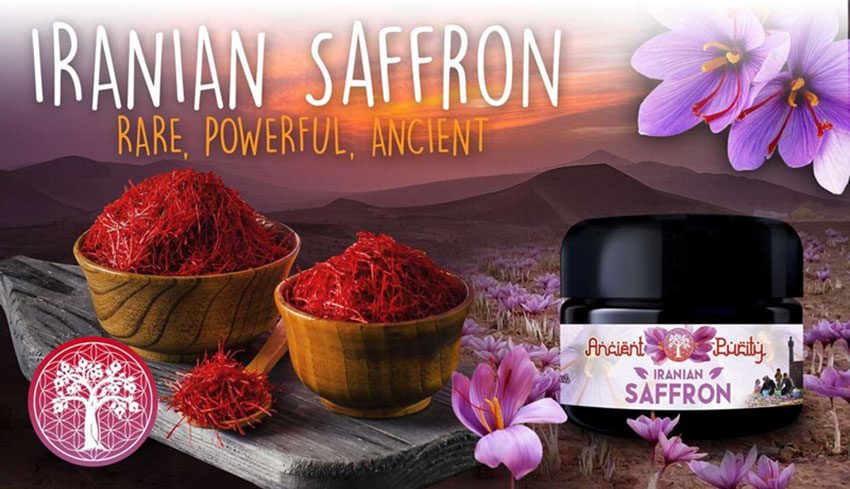
In summary, Saffron is a remarkable botanical with a rich history of medicinal use and a proven ability to support mental health and emotional balance. Whether enjoyed as a flavorful addition to meals, a calming tea, or a food supplement, Saffron offers a natural, effective way to alleviate stress, promote relaxation, and enhance overall well-being. Its vibrant colour, intoxicating aroma, and mood-enhancing effects make it a cherished ingredient in both traditional healing practices and modern wellness routines, embodying the perfect harmony of taste and function.
Kava-Kava (Piper methysticum G. Forst.)
Traditionally, Kava is prepared as a drink, often by grinding the roots into a powder and mixing it with pure water, forming a calming tea or tincture that has been consumed during communal gatherings and rituals. Its calming effects are highly valued, as they help reduce feelings of anxiety, enhance mood, and foster a sense of emotional well-being. Many people turn to Kava as a natural remedy to manage everyday stress, seeking its gentle yet effective influence on mental health. Despite its benefits, it is essential to approach Kava use with caution. While generally considered safe when used responsibly and in moderation, prolonged or excessive consumption has been associated with potential adverse effects, notably liver toxicity.
Several regions have issued warnings or restrictions due to concerns over hepatotoxicity, especially in people with pre-existing liver conditions or those taking medications that impact liver health. Therefore, consulting with a healthcare professional before incorporating kava into one’s wellness routine is strongly advised. Scientific research on Kava’s efficacy presents a nuanced picture. Some clinical trials have demonstrated improvements in anxiety symptoms and sleep quality; however, results have been mixed, with certain studies indicating no significant difference compared to placebo. The variability in findings underscores the importance of further research and cautious interpretation of existing data. In summary, Kava-Kava stands as a notable botanical option for stress reduction and emotional balance. Its natural origin, traditional significance, and calming properties make it an appealing choice for those seeking holistic approaches to managing anxiety. When used judiciously, Kava offers a compelling, culturally rich, and effective means of fostering relaxation and mental well-being.
Maypop (Passiflora Incarnata)
Maypop, scientifically known as Passiflora incarnata, is a remarkable yet often underappreciated botanical with profound stress-relieving capabilities. Commonly referred to as Passionflower, Maypop is a vigorous climbing vine indigenous to the southeastern regions of the United States. Throughout history, this plant has been revered in traditional medicine for its remarkable calming and sedative effects, making it a natural ally in the pursuit of mental tranquillity. At the core of Maypop’s soothing properties are its rich array of bioactive compounds, including flavonoids, alkaloids, and amino acids. These constituents interact intricately with the central nervous system, primarily by modulating key neurotransmitters such as gamma-aminobutyric acid (GABA), serotonin, and dopamine. Through these interactions, Maypop facilitates a state of relaxation, diminishes feelings of anxiety, and promotes an overall sense of calmness, offering a gentle yet effective approach to stress management.
Traditionally, Maypop is enjoyed as a calming tea, crafted by steeping dried Passionflower leaves and blossoms in hot water. This simple preparation yields a soothing drink that can help calm frazzled nerves, enhance sleep quality, and foster mental clarity. For those seeking a more convenient option, Passionflower supplements, available in capsules, tinctures, and extracts, provide an accessible means to harness its stress-reducing benefits. These food supplements are designed to deliver the plant’s calming effects without the need for brewing, making them an ideal choice for busy lifestyles. Importantly, Passionflower is generally well-tolerated by most people when used within recommended dosages. Its mild sedative properties and calming effects make it a valuable addition to holistic approaches for managing stress and anxiety. Nonetheless, responsible use is essential; consulting with a healthcare professional is advised, particularly for those with underlying health conditions or people taking other medications.
In summary, Maypop, or Passionflower, stands out as a natural botanical with potent stress-relieving properties. Whether enjoyed as a comforting tea or taken as a supplement, it offers a gentle, effective, and holistic means to alleviate stress, promote relaxation, and enhance overall well-being. Its calming influence and mild sedative qualities make it an invaluable tool for persons seeking natural solutions to handle the stresses of daily life and foster mental serenity.
Astragalus Root (Astragalus membranaceus)
Astragalus Root, scientifically known as Astragalus membranaceus, is a revered herb in traditional Chinese medicine (TCM) with a history that spans over two millennia. It is primarily valued for its Adaptogenic properties, meaning it helps the body resist stress and enhances overall vitality. Astragalus is a perennial plant belonging to the Fabaceae family. It is characterised by its robust, upright stems, pinnate leaves, and clusters of yellowish flowers. The root, which is the most utilised part medicinally, is typically harvested in the fall after several years of growth, ensuring a concentration of active compounds. In TCM, Astragalus Root is considered a qi tonic, used to strengthen the immune system, improve energy levels, and support overall health. It is often prescribed to aid recovery from illness, combat fatigue, and enhance resilience against environmental stressors. The root is also believed to have anti-inflammatory, antioxidant, and cardioprotective effects. The therapeutic properties of Astragalus Root are attributed to its rich phytochemical profile, which includes saponins (notably astragalosides), polysaccharides, flavonoids, and amino acids. These compounds work synergistically to modulate immune responses, reduce oxidative stress, and promote cellular health. Contemporary studies have begun to validate many traditional claims.

Research indicates that Astragalus Root can enhance immune function by stimulating macrophage activity and increasing the production of cytokines. Its antioxidant properties help neutralise free radicals, potentially reducing the risk of chronic diseases. Some studies also suggest benefits in cardiovascular health, such as lowering blood pressure and improving heart function. Astragalus Root is commonly consumed as a decoction, tincture, or in powdered form added to teas and supplements. Here you can order Pure Astragalus Root Powder. Dosage varies depending on the form and individual health needs, and it is advisable to consult with a healthcare professional before use, especially for those with underlying health conditions or who are pregnant or nursing. Generally regarded as safe when used appropriately, Astragalus Root may cause mild side effects in some persons, such as gastrointestinal discomfort or allergic reactions. It may also interact with certain medications, including immunosuppressants and diuretics. Therefore, professional guidance is recommended for long-term or high-dose use. In summary, Astragalus Root stands out as a potent Adaptogen with a well-established role in supporting immune health and vitality. Its extensive traditional use, coupled with emerging scientific evidence, underscores its significance as a valuable herbal remedy. As with any supplement, responsible use and consultation with healthcare providers are essential to maximise benefits and ensure safety.
Peppermint (Mentha piperita L.)
Peppermint, scientifically designated as Mentha piperita, is a highly esteemed herb renowned for its invigorating aroma and a broad spectrum of health benefits, particularly its capacity to alleviate stress. This versatile plant has been cherished for centuries, both in culinary traditions and medicinal practices, owing to its potent essential oils, primarily menthol, menthone, and limonene that underpin its therapeutic properties. One of the most notable attributes of Peppermint is its ability to foster relaxation and diminish muscle tension, making it an effective natural remedy for stress relief. The inhalation of Peppermint essential oil or the consumption of Peppermint tea can induce a calming effect on both the mind and body. The aromatic compounds stimulate the nervous system in a way that promotes mental clarity and tranquillity, helping to ease feelings of anxiety and tension. Peppermint tea, in particular, is celebrated for its soothing qualities and can be enjoyed throughout the day as a gentle means of managing stress levels.
Beyond its calming effects, Peppermint offers immediate relief from tension headaches and migraines, common stress-induced ailments. The cooling sensation produced by Peppermint, whether through inhalation or topical application of diluted essential oil to the temples, can help alleviate headache symptoms and foster a sense of relaxation. This makes peppermint a valuable natural option for those seeking quick relief from stress-related discomforts. Furthermore, Peppermint’s benefits extend to the digestive system, where it can indirectly contribute to stress reduction. Stress often manifests physically through gastrointestinal discomfort, including indigestion, bloating, and abdominal pain. Peppermint, whether consumed as tea or in supplement form, can soothe these symptoms, promoting overall well-being and reducing the physical burdens that exacerbate stress.
In addition to its calming and digestive benefits, Peppermint is also recognised for its energising properties. During periods of fatigue or low mood, inhaling the scent of peppermint or using Peppermint-infused products such as shower gels and lotions can invigorate the senses, providing a refreshing mental boost. This energising effect can help combat feelings of exhaustion and elevate mood during stressful times. Peppermint is generally well-tolerated by most people, with few reported side effects when used in moderation. In summary, Peppermint stands out as a natural, multifaceted botanical with powerful stress-relieving properties. Whether enjoyed as a calming tea, utilised in aromatherapy, or applied topically, Peppermint offers a holistic approach to reducing stress, enhancing relaxation, and supporting overall mental and physical well-being. Its versatility and efficacy make it an invaluable addition to any wellness routine aimed at fostering tranquillity and vitality.
Liquorice Root (Glycyrrhiza glabra)
Liquorice Root, scientifically known as Glycyrrhiza glabra, is a perennial herbaceous plant belonging to the Fabaceae family. Native to regions of Southern Europe, the Middle East, and parts of Asia, it has been valued for centuries for its medicinal, culinary, and aromatic properties. Liquorice Root typically grows to a height of 1 to 2 metres, featuring pinnate leaves, purple or blue flowers, and a woody, fibrous root system. The roots are the primary part used for extraction and are harvested after several years of growth, usually around 3 to 4 years, to maximise the concentration of active compounds. The key bioactive component of Liquorice Root is glycyrrhizin (also known as glycyrrhizic acid), a saponin glycoside that imparts the characteristic sweetness, approximately 50 times sweeter than sucrose. In addition to glycyrrhizin, the root contains flavonoids, such as liquiritin and isoliquiritigenin, as well as other phenolic compounds that contribute to its pharmacological effects. Historically, Liquorice Root has been used in traditional medicine systems, including Chinese, Ayurvedic, and European herbal practices, to treat a variety of ailments. Its applications include soothing sore throats, alleviating coughs, and supporting digestive health by reducing gastric inflammation and ulcers.
In modern herbal medicine and supplement formulations, Liquorice Root is incorporated for its anti-inflammatory, expectorant, and demulcent properties. It is also used in the formulation of herbal teas, lozenges, and syrups. Research indicates that glycyrrhiza glabra exhibits several pharmacological activities: Anti-inflammatory and Antiviral: It can modulate inflammatory pathways and has shown activity against certain viruses, including hepatitis viruses. Hepatoprotective: It may support liver health and aid in the management of liver conditions. Gastrointestinal Support: Its demulcent properties help soothe mucous membranes, making it beneficial for conditions like gastritis and ulcers. Respiratory Relief: Its expectorant effects assist in clearing mucus from the respiratory tract. Ongoing studies continue to explore the therapeutic potential of Liquorice Root and its constituents. Efforts are also underway to develop deglycyrrhizinated liquorice (DGL) products, which retain the beneficial effects while minimising the risk of adverse mineralocorticoid effects. In summary, Liquorice Root is a plant of significant medicinal and cultural importance, valued for its sweet flavour and diverse health benefits. When used appropriately and in moderation, it can be a valuable component of herbal remedies aimed at supporting respiratory, gastrointestinal, and liver health. However, due to potential side effects, it is essential to use it under professional guidance, especially for people with underlying health conditions.
Hops (Humulus lupulus L.)
Humulus lupulus L., commonly known as Hops, stands as the most prominent and widely recognised species within the Humulus genus, belonging to the Cannabaceae family. Originally native to central Europe, this versatile climbing perennial has transcended its origins and is now cultivated extensively across the temperate regions of the Northern Hemisphere for industrial purposes. Growing up to 10 metres in height, Hops are dioecious plants characterised by their vigorous climbing habit, which makes them a vital component in various agricultural and medicinal applications. While Hops are predominantly celebrated for their essential role in brewing beer, imparting aroma, flavour, and bitterness, they also possess notable therapeutic properties. Scientific research has uncovered that Hops contain bioactive compounds such as xanthohumol and flavonoids, which exhibit significant anxiolytic and stress-relieving effects. These compounds interact with neurotransmitter systems in the brain, particularly by modulating GABAA receptors, thereby promoting relaxation, reducing anxiety, and fostering a sense of tranquillity. Historically, traditional medicine has harnessed Hops’ calming properties for centuries, utilising preparations like teas, tinctures, and extracts to soothe the nervous system and facilitate sleep.
In modern phytotherapy, the female inflorescence of Hops serves as a crucial raw material not only for brewing but also for the preparation of natural remedies, including liquid and dry extracts, which are verified for purity through pharmacopoeial standards. According to the European Medicines Agency (EMA), these formulations are classified as “traditional herbal medicinal products” and are indicated for promoting sleep and alleviating minor symptoms associated with mental stress.
The therapeutic effects of hops are largely attributed to specific constituents such as xanthohumol (XH), isoxanthohumol (IX), 8-prenylnaringenin (8PN), and humulene (HU). These compounds act as positive allosteric modulators of GABAA receptors, enhancing GABAergic neurotransmission and thereby exerting calming effects on the central nervous system. Pharmacokinetic studies, such as those conducted by the Legette group using LCMS/MS techniques, have demonstrated that XH is metabolised into conjugates of IX, providing insight into the bioavailability and metabolic pathways of Hop-derived compounds.
While numerous clinical trials have explored the effects of combined Hop preparations, often in conjunction with other herbal remedies like valerian, research focusing on single-component hop extracts remains limited. Notably, a well-designed randomised, placebo-controlled, double-blind crossover study involving 36 young adults (average age 24.7 years) investigated the impact of a 0.2 g dried Hop extract capsule taken twice daily over two four-week periods. The study found that both Hop extract and placebo groups experienced reductions in anxiety, depression, and stress symptoms, with the Hop group exhibiting a more pronounced effect. These findings suggest potential benefits of Hop constituents in managing symptoms related to mental health, although further research is necessary to confirm these effects. An intriguing area of investigation involves the sedative effects of non-alcoholic beer containing Hops. A study examining healthy female nurses observed improvements in sleep quality following a modest 14-day consumption of 333 mL of non-alcoholic beer, which contains approximately 0.3% Hops. While these anecdotal reports are promising, they should be interpreted with caution, as the precise mechanisms and clinical significance require further validation through rigorous research.
Despite these promising findings, it is important to acknowledge the limitations inherent in current studies. Many rely on self-reported measures of stress, anxiety, and depression, which can introduce bias. Consequently, there is a pressing need for higher-quality clinical trials to elucidate the true impact of hops on the central nervous system and mental health. In summary, Humulus lupulus is a plant of remarkable versatility, serving both as a cornerstone of brewing and as a natural remedy with potential anxiolytic and sleep-promoting properties. Its bioactive compounds interact with key neurotransmitter systems, offering a promising avenue for developing herbal interventions aimed at reducing stress and enhancing overall well-being. Continued research will be essential to fully understand and harness the therapeutic potential of this ancient yet ever-relevant botanical.
Lemon Balm (Melissa officinalis L.)
Lemon Balm, scientifically designated as Melissa officinalis, is a highly aromatic herb that belongs to the mint family. Renowned for its centuries-old use in traditional medicine, this plant is celebrated for its remarkable calming and stress-relieving properties. Its efficacy is largely attributed to a rich array of bioactive compounds, including rosmarinic acid, flavonoids, and terpenes, which collectively contribute to its anxiolytic effects. One of the most popular and accessible methods of harnessing Lemon Balm’s soothing benefits is through the preparation of Lemon Balm tea. By steeping dried leaves in hot water, the infusion releases a fragrant blend of essential oils and active compounds that promote relaxation and help diminish feelings of tension and anxiety. This calming drink is often enjoyed in the evening hours, serving as a gentle way to unwind after a stressful day or to prepare for restful sleep. Its sedative qualities can enhance sleep quality, making it a natural alternative to conventional sleep aids.
Beyond tea, Lemon Balm’s calming influence extends into aromatherapy. The essential oil extracted from its leaves is widely used to create a tranquil environment. Diffusing Lemon Balm oil in indoor spaces or adding a few drops to a warm bath can foster a serene atmosphere, reducing stress levels and encouraging mental relaxation. Such practices leverage the plant’s aromatic properties to promote emotional well-being.
Emerging research suggests that Lemon Balm may also exert mood-enhancing effects when taken orally. Studies indicate that supplements or extracts of lemon balm can help alleviate symptoms of anxiety and elevate mood by modulating neurotransmitter activity within the brain, particularly influencing serotonin and GABA receptors. This neurochemical interaction underscores Lemon Balm’s potential as a natural adjunct for mental health support.
Lemon Balm’s gentle nature makes it well-tolerated by most people, with minimal reported side effects when used appropriately. Nonetheless, it is prudent to use this herbal remedy responsibly and consult healthcare professionals before incorporating it into a health regimen, especially for those with underlying health conditions or those on medication. In summary, Lemon Balm stands out as a versatile botanical with proven stress-reducing and mood-enhancing properties. Whether enjoyed as a soothing tea, utilised in aromatherapy, or taken as a supplement, this natural herb offers a safe and effective means to foster relaxation, alleviate stress, and enhance overall well-being.
Thank you for taking the time to explore this comprehensive guide. We sincerely hope you found the information insightful and engaging. If you have personally experienced the benefits of any of these Adaptogenic botanicals, we would be delighted to hear about your story. Sharing your experiences can provide valuable insights to others and foster a community of knowledge and support. Please feel free to connect with us and contribute to this ongoing conversation.
“Generally speaking, adaptogens help you feel less stressed while increasing energy levels; some are zippy, while others are more balancing or calming.” – Maria Noel Groves, Body into Balance: An Herbal Guide to Holistic Self-Care


