



Who can forget the catastrophic events that unfolded at the Chernobyl Nuclear Power Plant in what was once the Soviet Union? Those fateful days in April 1986 left an indelible mark on history and on our collective consciousness. I vividly remember watching a news report where the anchor delivered alarming advice to the residents of the Netherlands: avoid eating home-grown vegetables due to concerns about radiation contamination.
Who can forget the catastrophic events that unfolded at the Chernobyl Nuclear Power Plant in what was once the Soviet Union? Those fateful days in April 1986 left an indelible mark on history and on our collective consciousness. I vividly remember watching a news report where the anchor delivered alarming advice to the residents of the Netherlands: avoid eating home-grown vegetables due to concerns about radiation contamination. Imagine the shock, an unsettling reminder that nuclear disaster could ripple across continents, with the Chernobyl site being a staggering 1,229 miles (1,978 kilometres) away from our vegetable patch in the southern Netherlands! While the radiation levels in our garden were minuscule compared to the harrowing zones surrounding Chernobyl, the fear of contamination loomed large. It was a stark illustration of how interconnected our world is, a reminder that a disaster thousands of miles away could still cast a long shadow over our lives.
Yet, in a remarkable twist of fate, nature has displayed its incredible resilience: the Earth seems to be healing itself by gradually absorbing and neutralising the very radiation that devastated so many lives. The on-going recovery of the Chernobyl Exclusion Zone serves as a powerful testament to the tenacity of the natural world. Stay with me as we explore this astonishing phenomenon! It’s a story that reveals not only the capacity for recovery in the environment but also offers a glimmer of hope amid the devastation.

The cataclysmic explosion of the No. 4 reactor at the Chernobyl Nuclear Power Plant, situated near the city of Pripyat in Ukraine on April 26, 1986, stands as the most catastrophic nuclear event in history. The fallout from this disaster gave rise to a 30-kilometer exclusion zone, an eerie, desolate wilderness that remains prohibited for human habitation due to lingering perilous levels of radiation. Within this haunting landscape, where nature has begun to reclaim its dominion, scientists have stumbled upon an extraordinary survivor: a remarkable black fungus known as Cladosporium sphaerospermum. Following the Chernobyl catastrophe, researchers noted strange patches of black mould creeping across the walls of the ill-fated reactor; these hardy fungi appeared to flourish in the heart of the radiation’s ravages, challenging everything we thought we knew about life’s limits. This black fungus has adapted astonishingly well to what would be a lethal environment for nearly all other organisms. Its most intriguing characteristic is a unique metabolic process that allows it to utilise radiation itself as an energy source, akin to how plants harness sunlight through photosynthesis.
Further explorations into this enigmatic fungus have revealed that C. sphaerospermum, along with other resilient fungal species such as Wangiella dermatitidis and Cryptococcus neoformans, contains melanin, the same pigment that gives colour to human skin. However, in these fungi, melanin plays a radically different role: it acts as a shield and a converter of radiation, absorbing harmful particles and transforming them into energy, thereby enabling robust growth even in areas suffused with intense radioactive exposure. This remarkable adaptation not only offers profound insights into the resilience of life but also hints at the incredible possibilities of evolution. It showcases the tenacity of organisms in the face of extreme conditions, inviting us to reconsider the boundaries of life on Earth and beyond. In the unlikeliest of places, amid the shadows of one of humanity’s gravest errors, life has demonstrated its extraordinary ability to not only endure but to innovate in order to thrive.
How Radiation Transforms into Energy for Fungi
Cladosporium sphaerospermum is a fascinating member of a remarkable category of fungi known as radiotrophic fungi. These extraordinary organisms possess the remarkable ability to harness ionising radiation, transforming it into energy that fuels their metabolic processes. What makes C. sphaerospermum particularly captivating is its high melanin content, which enables it to absorb radiation much like plants capture sunlight through the pigment chlorophyll. According to a detailed article in the National Library of Medicine published in October 2008, while this mechanism diverges from traditional photosynthesis, it effectively serves a similar purpose, converting energy from its environment into the sustenance required for growth and development. This novel process is referred to as radio synthesis, and it represents an innovative frontier in both biochemistry and radiation research. Melanin, a pigment found in various forms across the biological spectrum, typically functions as a protective barrier against harmful UV radiation. However, in the case of C. sphaerospermum, its role transcends mere protection; it becomes an active participant in energy generation by facilitating the conversion of gamma radiation into usable chemical energy.
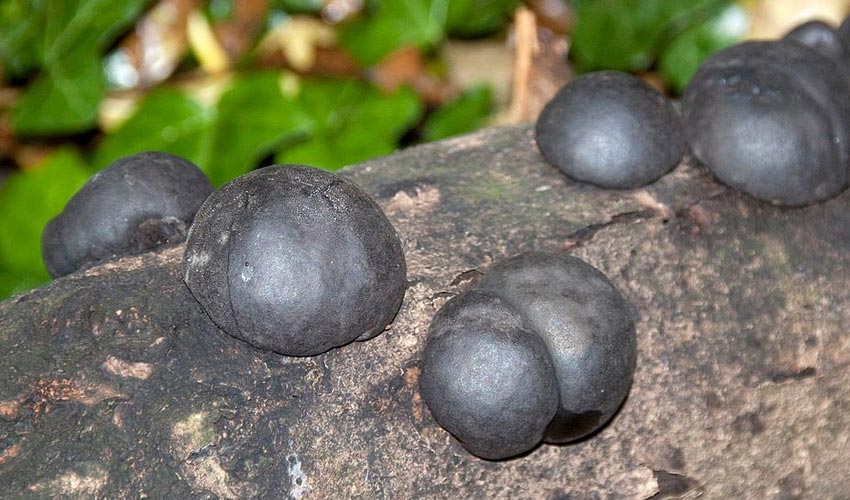
Research detailed in a 2007 article published in the journal PLOS ONE highlighted this extraordinary energy production mechanism. The findings revealed that fungi such as C. sphaerospermum exhibit markedly accelerated growth rates in environments with high radiation levels compared to their counterparts in non-radioactive surroundings. This revelation is not just intriguing; it significantly alters our understanding of how extremophiles, organisms that thrive in extreme conditions, adapt and survive in hostile environments. The implications of these discoveries are vast, offering new insights into the resilience of life in extreme settings and opening up exciting possibilities for future research. As scientists delve deeper into the capabilities of Cladosporium sphaerospermum and its fellow radiotrophic fungi, we may uncover even more about the potential for harnessing radiation as a form of energy, challenging conventional paradigms of both biology and energy production.
Radiotrophic Fungi – Potential Allies in the Fight Against Radiation
The discovery of C. sphaerospermum in the Chernobyl Exclusion Zone has brought renewed attention to radiotrophic fungi, particularly for their potential role in bioremediation, the process of using living organisms to remove pollutants from the environment. In radioactive sites like Chernobyl, where conventional clean-up methods are challenging and hazardous, radiotrophic fungi can provide a safer, natural alternative, according to an April 2008 article published in FEMS Microbiology Letters. Since C. sphaerospermum can absorb radiation and use it as fuel, scientists are exploring the feasibility of deploying these fungi to contain and potentially reduce radiation levels in contaminated areas. Beyond the borders of the exclusion zone, scientists are investigating other applications, especially in the field of space exploration. The harsh, radiation-heavy environment of space is one of the most significant challenges facing long-term missions to Mars and beyond. C. sphaerospermum has already been sent to the International Space Station (ISS) for experiments to determine whether its unique radiation tolerance could protect astronauts from cosmic radiation. Early results have been promising, suggesting that this fungus could potentially be used to develop radiation-resistant habitats or even provide radiation-shielded food sources for space travellers.
Harnessing Adaptability to Fuel Innovation
Beyond its fascinating feeding habits, C. sphaerospermum has garnered significant attention for its remarkable durability. This extraordinary fungus has the ability to thrive in conditions that would be lethal to most organisms, including frigid temperatures, elevated salt levels, and extreme acidity making it one of the most robust fungi known to science. Its impressive capacity to adapt to such harsh environments has sparked excitement among researchers, who believe that it may hold vital insights into the mechanisms of stress tolerance. These insights could pave the way for spectacular advancements in biotechnology and agriculture. Imagine a future where the genetic traits that confer this hardiness could be harnessed to engineer materials capable of withstanding extreme radiation or to breed crops resilient enough to flourish in the face of climate adversity. The possibilities are immense and incredibly promising. Furthermore, C. sphaerospermum might even play a crucial role in tackling some of our most urgent environmental challenges. Could it be a key player in the bioremediation of radioactive waste, helping to restore ecosystems that have been severely impacted by contamination? As research progresses, the discoveries we make about this remarkable fungus could ignite innovation across various disciplines, enriching our understanding of the limits of life itself. In unravelling the secrets of C. sphaerospermum, we not only stand to revolutionise fields such as agriculture and environmental science but also to unlock the mysteries of resilience and adaptation in the natural world. The journey ahead promises to be as enlightening, as it is transformative, offering us a glimpse into the future of sustainable solutions derived from the wonders of nature.
How Flora Reclaimed the Toxic Lands of Chernobyl
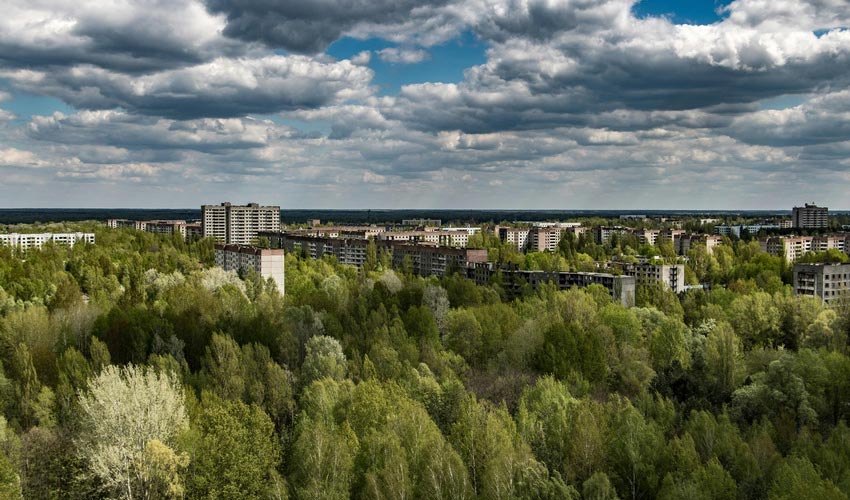
In the haunting aftermath of the nuclear catastrophe at Chernobyl, a remarkable story of resilience has emerged, illustrating nature’s tenacity in the face of overwhelming adversity. The once-bustling region, now eerily silent, has been transformed into a ghost town, encompassing an exclusion zone that stretches an astonishing 2,600 square kilometres (1,000 square miles). Yet, contrary to expectations of desolation, life continues to thrive within this forbidding landscape. The dense forests surrounding the remnants of the nuclear plant in northern Ukraine, harbingers of rejuvenation, have seen the triumphant return of wolves, wild boars, and bears. Against all odds, the vegetation, too, has obeyed the call of resilience, with nearly all but the most sensitive plant species managing to survive the fallout. Remarkably, even in the most contaminated stretches of the exclusion zone, plant life began to rebound within a mere three years. To comprehend the wonder of this survival, we need to understand the effects of radiation on living cells, particularly those in plants versus animals. The radioactive materials unleashed by Chernobyl are notoriously unstable, continuously emitting high-energy particles and waves. These emissions have the potential to disrupt cellular structures and generate reactive chemicals that assail the very machinery of life. While many cellular components can be repaired if damaged, DNA stands as a pivotal exception.
At elevated doses of radiation, DNA frequently succumbs to mutations, leading to rapid cell death. Even lower levels of radiation can wreak havoc, inducing subtle mutations that disrupt normal cellular functions. In animals, where specialisation and interdependence characterise cellular and bodily systems, these mutations can be catastrophic, often resulting in conditions like cancer and eventual demise. An animal’s biology functions akin to an intricate machine, where every cell and organ must play its designated role flawlessly for survival as one cannot endure without a functioning heart, a brain, or lungs. Conversely, plants have cultivated a different set of strategies for enduring hardship. Lacking mobility, they are compelled to adapt to their surroundings in extraordinary ways. Absent of a rigid structure, plant growth unfolds with remarkable flexibility. The specific direction of growth, be it deeper roots or taller stems, is determined by a dynamic interplay of chemical signals from their own biology, as well as the influence of neighbouring plants, alongside essential environmental factors such as light, temperature, water, and nutrients.
What’s most fascinating is that, unlike animals, nearly all plant cells possess the remarkable ability to differentiate and develop into any type of cell as needed. This adaptability explains why gardeners can effortlessly propagate new plants from mere cuttings, where roots sprout miraculously from pieces of stem or leaf. Thus, in the shadow of Chernobyl’s stark reminder of humanity’s vulnerability to nuclear disaster, we find nature’s remarkable power to endure, adapt, and flourish. This juxtaposition of destruction and resurgence offers not just a testament to the tenacity of plant life, but also a profound lesson on the resilience ingrained in the natural world. This fascinating dynamic reveals a remarkable truth: plants have an extraordinary ability to replenish damaged cells or tissues far more efficiently than animals can. Whether affected by herbivorous attacks or the debilitating effects of radiation, plants possess a resilience that allows them to recover and thrive. Although both radiation exposure and various forms of DNA damage can lead to tumorous growths in plants, these mutated cells rarely invade other parts of the organism as animal cancers do. This limitation is largely due to the rigid, interconnected cellular walls that provide structural integrity and compartmentalisation within plant tissues. In most instances, these tumorous formations do not spell doom for the plant. Instead, they exhibit an impressive capacity to adapt, often finding alternative pathways to function despite the presence of malfunctioning cells. It’s a unique testament to their resilience.
Even more intriguing is the adaptability of certain plants located within the Chernobyl exclusion zone, where they seem to employ additional strategies to safeguard their genetic material. Some species appear to alter the chemistry of their DNA, thereby enhancing its resistance to damage. Furthermore, should their DNA be compromised, these plants activate intricate repair mechanisms to rectify any issues. This behaviour hints at a deeper evolutionary history; after all, the levels of natural radiation on Earth were significantly higher during the early stages of plant evolution. This suggests that the plants in the exclusion zone may be tapping into ancestral adaptations honed over millions of years, enabling them not just to endure but to flourish in an environment that would be hostile to most other life forms.
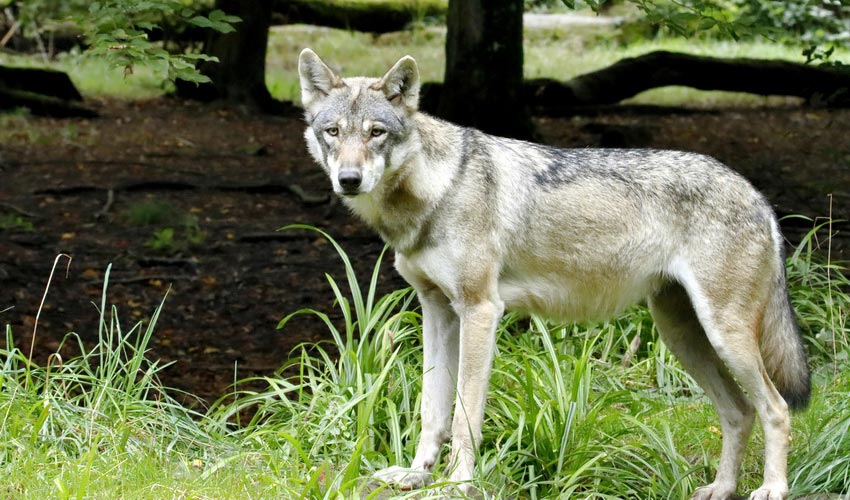
Life around Chernobyl has entered a remarkable phase of resurgence, flourishing in ways that starkly contrast with the devastation wrought by the nuclear disaster. Astonishingly, populations of myriad plant and animal species are now thriving, often in greater numbers than they existed prior to the cataclysm. Given the profound human tragedy and the lives lost due to the fallout, this invigorating revival of nature may catch many off guard. While it is well-documented that radiation can be detrimental to plant and animal life, leading to shortened lifespans and various health challenges, it appears that in this unique case, the abundant natural resources available and the diminished competition from humans have fostered an unexpected renaissance. The key lies in the balance: the impact of radiation, while significant, has been eclipsed by the boon of reduced human presence. Now transformed into one of Europe’s largest and most unlikely nature reserves, the ecosystem surrounding the abandoned power plant is bursting with life. Paradoxically, the nuclear disaster, while catastrophic for human lives, has proven less harmful to the local environment than our prior interventions. The very act of retreating has granted wildlife the space to reclaim its territory, allowing flora and fauna to flourish in their absence.
In many ways, the Chernobyl disaster serves as a poignant reminder of our environmental footprint. It demonstrates that, despite our advances and intentions, our presence can often be more harmful than the consequences of catastrophic events. By vacating the area, we have inadvertently gifted nature the opportunity to thrive, showcasing the resilience of life in the face of adversity. Thus, what emerged from the ruins of human error is a testament to the enduring power of nature to heal and flourish when given the chance.
The Regeneration of the Red Forest
In the wake of the catastrophic Chernobyl disaster, an expansive stretch of coniferous forest neighbouring the power plant transformed dramatically, succumbing to a haunting shade of vivid orange as it suffered the dire consequences of overwhelming radiation exposure. This once-thriving woodland, spanning approximately 4 to 6 square kilometres, earned the ominous moniker “Red Forest,” a stark tribute to the alarming transformation of its tree needles, which turned brilliantly but tragically colour as they became lethally poisoned. What was once a vibrant ecosystem became an eerily desolate wasteland. Yet, astonishingly, just three decades later, the Red Forest has demonstrated remarkable resilience; nature’s tenacity has breathed new life into the area. Deciduous trees, notably the graceful silver birch, have begun to infiltrate and reclaim what the pine trees once dominated.
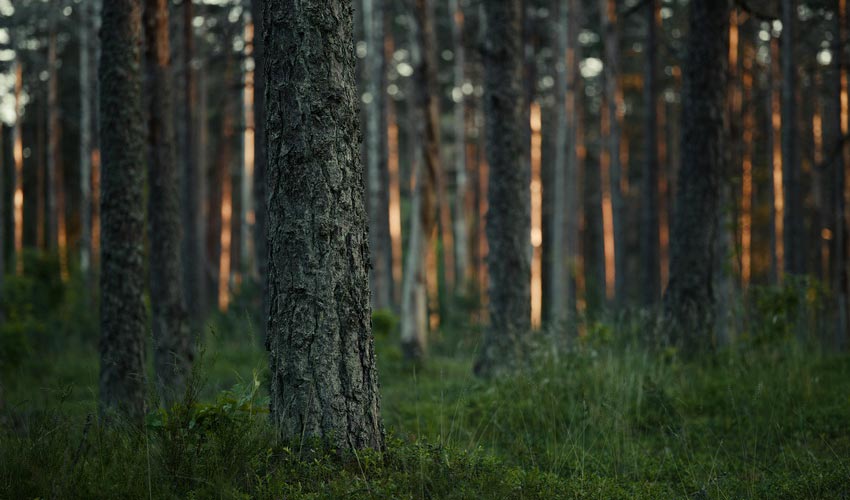
A recent survey conducted via drone technology has unveiled a landscape filled with hope and regrowth, even as pockets of radiation persist within the forest’s depths, revealing hotspots displaying dangerously high levels of radioactivity. Despite the devastation wrought by a significant fire in 2016, which ravaged considerable portions of this woodland, the drone footage tells a compelling story. It showcases a striking juxtaposition of life and devastation: trees, grasses, and a wide range of other plants are not just surviving but flourishing against all odds, thriving in an environment that, just decades ago, seemed irreparably damaged. The tenacity of life in the Red Forest stands as a testament to nature’s extraordinary capacity for regeneration, transforming a landscape marred by tragedy into one of surprising vitality and resilience.
”Earth teach me to forget myself as melted snow forgets its life. Earth teach me resignation as the leaves which die in the fall. Earth teach me courage as the tree which stands all alone. Earth teach me regeneration as the seed which rises in the spring.” – William Alexander


