In 2008, I had the extraordinary opportunity to visit Socotra Island in Yemen, a place that remains etched in my memory as one of the most surreal and enchanting destinations I have ever experienced. At the time, Yemen was and still is embroiled in political turmoil, and the country’s reputation as a travel destination was overshadowed by instability and unrest. Yet, despite the prevailing circumstances, my journey to Socotra was nothing short of transformative.
What makes Socotra so captivating is its remote and almost otherworldly landscape. Situated approximately 240 kilometers (150 miles) east of the Horn of Africa and about 380 kilometers (240 miles) south of mainland Yemen, the island occupies a unique geographical position in the Arabian Sea. Interestingly, Socotra is closer to Somalia than to the Yemeni mainland, lying east of the Gulf of Aden. This strategic location has contributed to its distinctive ecological and cultural identity, making it a true natural marvel.
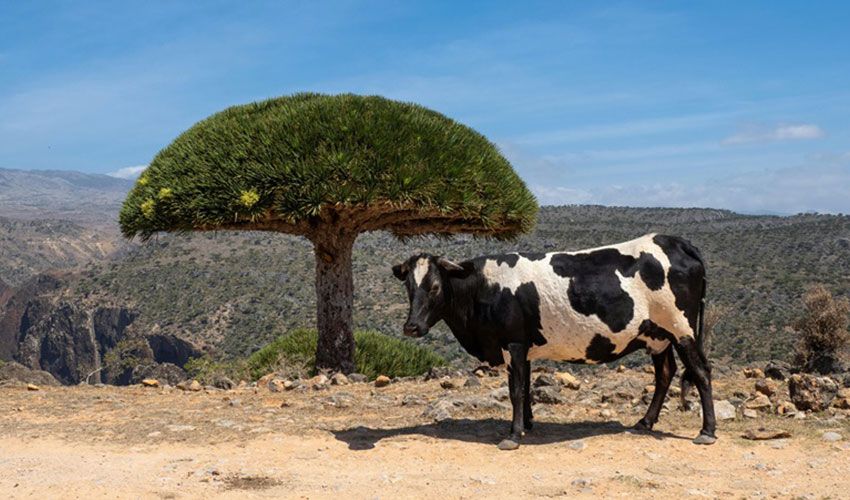
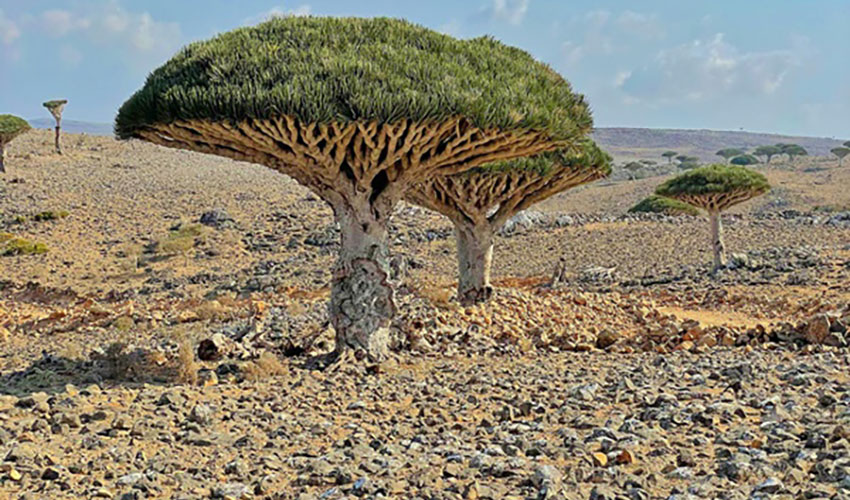
As I set foot on Socotra, I was immediately struck by its alien beauty. The island’s landscape is a breathtaking mosaic of towering, bizarrely shaped dragon’s blood trees, sprawling desert plains, rugged mountains, and pristine beaches. The flora and fauna here are remarkably endemic; many species found on Socotra are found nowhere else on Earth. The surreal, almost fantastical scenery seemed to belong to a different planet altogether, offering a sense of discovery and wonder that I had never encountered before.
The Jinn
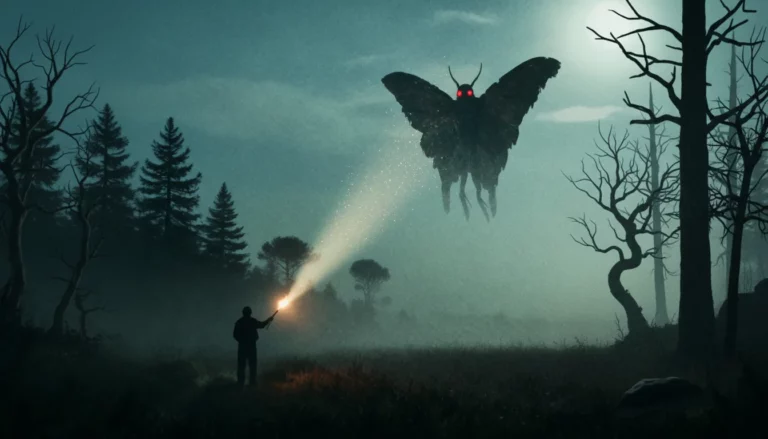
One of the most captivating and enduring myths that shroud Socotra Island is the legend of the jinn, supernatural spirits deeply woven into the local folklore and cultural fabric of the island. These mystical beings are believed to inhabit every corner of Socotra’s rugged landscapes, from its dense, otherworldly forests to its windswept deserts and hidden caves. According to local legend, the jinn are neither wholly benevolent nor entirely malevolent; instead, they embody a complex spectrum of mischievousness, unpredictability, and mysterious power.
The stories passed down through generations depict the jinn as elusive entities capable of shifting seamlessly between forms. They are said to manifest as animals, perhaps a strange, glowing fox, a whispering snake, or a bird with shimmering feathers, each shape carrying its own significance and symbolism. Sometimes, they are believed to take on human appearances, appearing as strangers with piercing eyes or as familiar figures from the community, only to vanish without a trace. These shape-shifting spirits are thought to possess both the ability to protect and to deceive, making them figures of awe and caution among the island’s inhabitants.
Local legends warn travellers and villagers alike to respect the jinn’s unpredictable nature, emphasising the importance of humility and reverence when venturing into the island’s wild terrains. Some stories recount encounters where the jinn offer cryptic warnings or mysterious blessings, while others speak of mischievous tricks that lead the unwary astray. The myth of the jinn encapsulates the island’s sense of mystique, a place where the natural and supernatural intertwine, creating an atmosphere thick with wonder, caution, and reverence for forces beyond human understanding. This myth not only enriches Socotra’s cultural identity but also adds an enchanting layer to its already surreal landscape. It invites visitors to approach the island with a sense of curiosity and respect, acknowledging that beneath its breathtaking scenery lies a world where legends and reality coexist in a delicate, fascinating balance.
OK, back to my travel experience. As I said before, my journey to Socotra Island remains one of the most extraordinary adventures of my life, a voyage into a world that defies the ordinary and beckons the curious with its otherworldly beauty. I arrived in 2008, stepping into a place that seemed to exist outside of time, where nature’s imagination had run wild and sculpted landscapes that felt more like scenes from a fantasy novel than a real-world destination.
From the moment I set foot on Socotra’s rugged shores, I was captivated by its surreal scenery. The island’s landscape is a mesmerising mosaic of towering, umbrella-shaped *dragon’s blood trees, each one resembling a natural sculpture, their crimson sap oozing like blood from ancient wounds. These trees, with their bizarre, umbrella-like canopies, seemed to whisper stories of ancient secrets, standing as silent guardians over the island’s pristine wilderness. As I wandered through dense groves of these iconic trees, I felt as if I had entered a living, breathing fairy tale.
* The dragon’s blood trees of Socotra Island stand as living monuments to the island’s surreal landscape and rich cultural tapestry. With their umbrella-shaped canopies and thick, gnarled trunks, these ancient trees evoke a sense of timelessness, as if they have witnessed centuries of history and myth. Their striking appearance is complemented by the deep crimson resin, known as “dragon’s blood”, that oozes from their bark when cut, a substance historically prized for its vivid colour and medicinal properties. Beyond their botanical uniqueness, the dragon’s blood trees hold profound cultural and spiritual significance for the island’s inhabitants.
Local legends speak of these trees as sacred guardians, believed to possess protective qualities that ward off evil spirits and bring good fortune. In traditional beliefs, the resin was thought to have mystical powers, capable of healing wounds, warding off curses, and even serving as a conduit to the divine. The trees are often woven into local folklore, symbolising resilience, longevity, and the enduring spirit of Socotra’s people. Their unusual silhouette has become a symbol of the island itself, a testament to nature’s ingenuity and the deep-rooted connection between the land and its cultural identity. To the islanders, the dragon’s blood trees are more than botanical marvels; they are living relics of myth and history, embodying the mystical essence of Socotra and serving as a reminder of the island’s unique place in the natural and spiritual world.
Beyond the forests, the terrain shifted dramatically. I traversed vast, windswept deserts where golden sands stretched endlessly, interrupted only by strange, sculptural rock formations that looked like the remnants of a lost civilisation. The air was thick with the scent of salt and the distant cry of seabirds. I climbed rugged mountains cloaked in mist, where panoramic views revealed a patchwork of rugged cliffs plunging into the azure Arabian Sea. Each vista seemed more breathtaking than the last, a testament to nature’s boundless creativity.
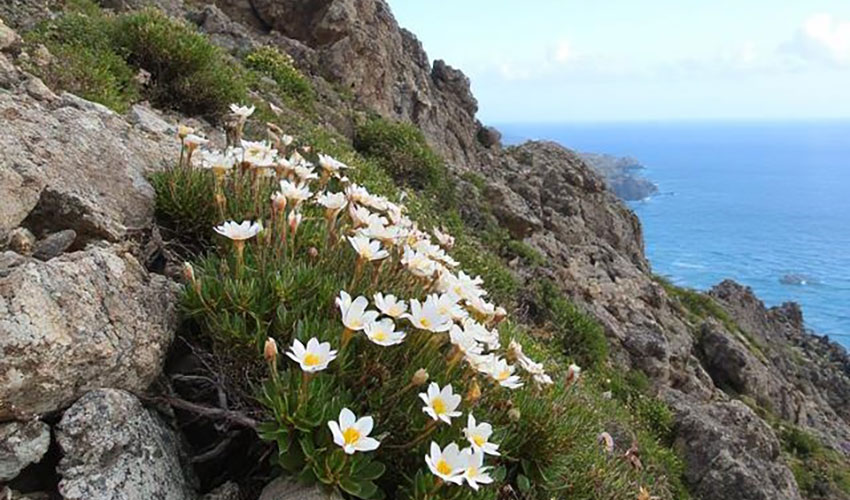
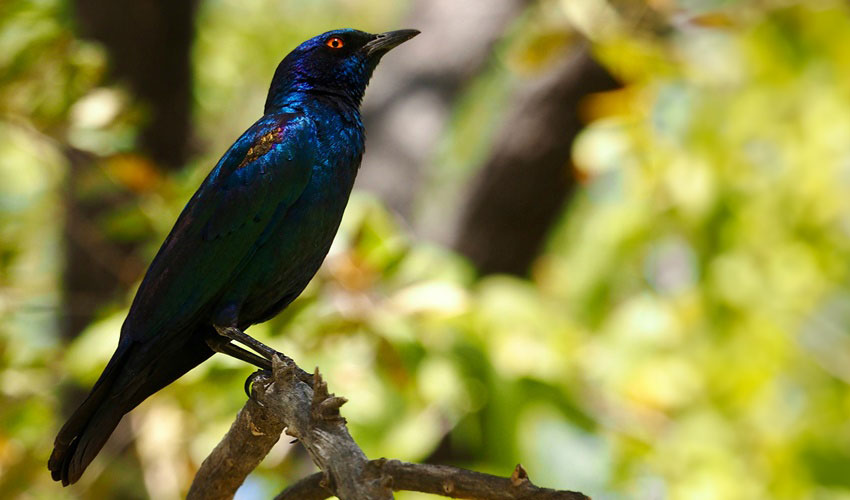
One of the most unforgettable moments was exploring the island’s hidden caves and limestone karsts. As I navigated narrow passages and climbed over jagged rocks, I felt a sense of adventure and discovery that stirred my soul. The caves echoed with mysterious sounds, and I couldn’t help but imagine the legends of jinn and spirits that local folklore spoke of, mystical beings said to inhabit these very caves, shape-shifting and mischievous, adding an element of enchantment and intrigue to my exploration. The island’s biodiversity was equally astonishing. I encountered endemic species of flora and fauna, strange, resilient plants and birds that seemed perfectly adapted to this alien landscape. The endemic Socotra starling, with its iridescent feathers, flitted through the trees, while bizarre succulents and desert roses added splashes of color to the arid terrain. It was as if I had stepped into a living botanical garden, one that had evolved in isolation for millennia.
The Flora & Fauna of Socotra Island
The flora and fauna of Socotra Island are among the most extraordinary and isolated on Earth, embodying a delicate balance of resilience and uniqueness that has evolved over millennia. The island’s endemic species, plants and animals found nowhere else, serve as living symbols of nature’s ingenuity and the profound interconnectedness of life. Among the flora, bizarre succulents and desert roses thrive in the arid landscape, their shapes and colours inspiring awe and wonder. These plants are often regarded with reverence by the island’s inhabitants, who see them as manifestations of divine creation, embodying the island’s mystical essence. The endemic bird species, such as the Socotra starling and the Socotra sunbird, are cherished as symbols of hope and resilience, believed to carry spiritual significance in local folklore. The island’s diverse wildlife, including rare reptiles and insects, is woven into stories that emphasise harmony with nature and the importance of preserving these fragile ecosystems. For the islanders, these species are more than mere biological curiosities; they are sacred embodiments of the land’s spiritual power. Many local beliefs hold that the unique plants and animals serve as guardians of the island’s spiritual well-being, offering protection and blessings to those who respect and honor them. The endemic species of Socotra are thus deeply intertwined with cultural identity, representing a living testament to the island’s mystical heritage and the enduring bond between its people and the natural world.
Plant Medicines of Socotra Island
The rich botanical diversity of Socotra Island has long been a source of traditional medicinal knowledge, with many endemic plants playing a vital role in the local healing practices. The island’s unique flora, shaped by its isolated environment, offers a treasure trove of natural remedies passed down through generations. Indigenous plants such as the frankincense-like Boswellia species, aromatic herbs, and resilient succulents are carefully harvested and prepared to treat a wide array of ailments, from respiratory issues and skin conditions to digestive problems and wounds. The local healers, or “hakims,” possess an intricate understanding of these plants’ properties, often combining them into complex herbal concoctions that are believed to harness the plants’ spiritual and healing energies. For the islanders, these plant medicines are more than just remedies; they are sacred gifts from nature, imbued with spiritual significance and cultural heritage. Many of these traditional practices are rooted in a deep respect for the land and its natural resources, emphasising sustainable harvesting and reverence for the plants’ life force. In a world increasingly seeking natural and holistic approaches to health, Socotra’s plant medicines stand as a testament to the island’s ancient wisdom, an enduring legacy of harmony between humans and the extraordinary, endemic flora that surrounds them.

Solitude & Connection
What struck me most was the profound sense of solitude and connection I felt amid this untouched wilderness. Socotra’s remoteness seemed to shield it from the chaos of the modern world, preserving its pristine beauty and mysterious aura. I spent nights under a canopy of stars, listening to the gentle lapping of the sea and the distant calls of nocturnal creatures. The silence was profound, broken only by the whisper of the wind through the trees and the stories I imagined the landscape itself could tell. My time on Socotra was more than just a travel experience; it was a journey into a dreamscape, a place where the boundaries between reality and fantasy blurred. It challenged my perceptions of nature’s possibilities and reminded me of the incredible diversity and resilience of life on Earth. Socotra is a testament to the power of untouched wilderness to inspire awe and ignite the imagination.
The People of Socotra
My journey to Socotra Island was nothing short of transformative, a profound immersion into a world where nature and culture intertwine in the most extraordinary ways. From the moment I arrived, I was welcomed with warmth and curiosity by the island’s inhabitants, whose resilience and deep connection to their land left a lasting impression on me. I spent days sharing meals with local families, savouring traditional dishes that reflected centuries of culinary tradition, freshly caught fish grilled over open fires, aromatic herbs harvested from the surrounding landscapes, and hearty stews infused with local spices. Each bite was a taste of their history, their stories, and their enduring spirit. As I learned from the elders and community leaders, I discovered a wealth of knowledge about the island’s unique flora, fauna, and spiritual beliefs. They patiently explained the significance of the endemic plants, the legends woven into their daily lives, and the sustainable practices they uphold to preserve their environment. Their stories revealed a worldview rooted in harmony with nature, respect for the land’s sacredness, and a deep sense of community. Through these shared experiences, meals, conversations and silent moments of reflection, I gained a profound appreciation for Socotra’s people as custodians of a rare and fragile paradise. Their warmth and wisdom transformed my visit into a trip of cultural discovery, reminding me of the importance of humility, respect, and the enduring power of human connection in even the most remote corners of the world.
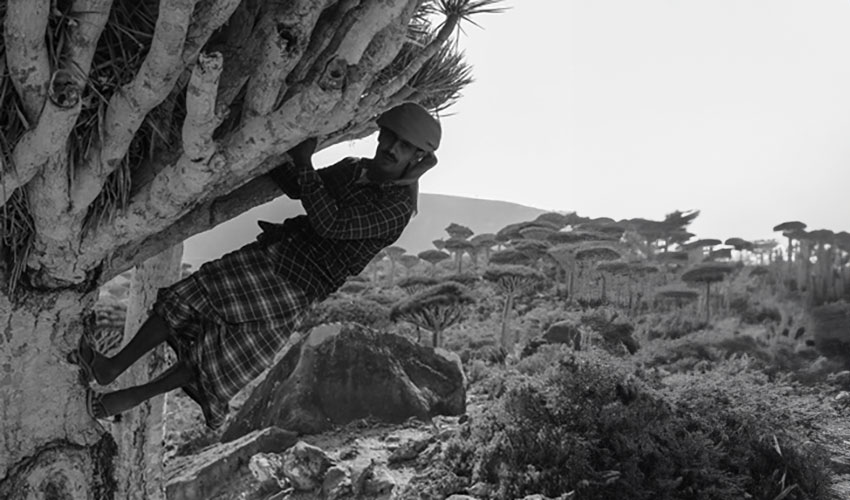
Even now, 17 years later, I carry the memory of that surreal landscape, the towering dragon’s blood trees, the mysterious caves, the kind locals, the endless deserts and the vibrant, endemic wildlife. Socotra remains a place of wonder, a hidden gem that beckons explorers to venture beyond the familiar and into the world of the extraordinary. My visit left an indelible impression, reminding me of the profound beauty that can exist in the most remote corners of the world. Socotra Island is truly a hidden gem, an extraordinary destination that continues to inspire awe and curiosity, even amidst the complexities of its geopolitical context.
“The world is a book and those who do not travel read only one page.” – St. Augustine
“To travel is to discover that everyone is wrong about other countries.” – Aldous Huxley