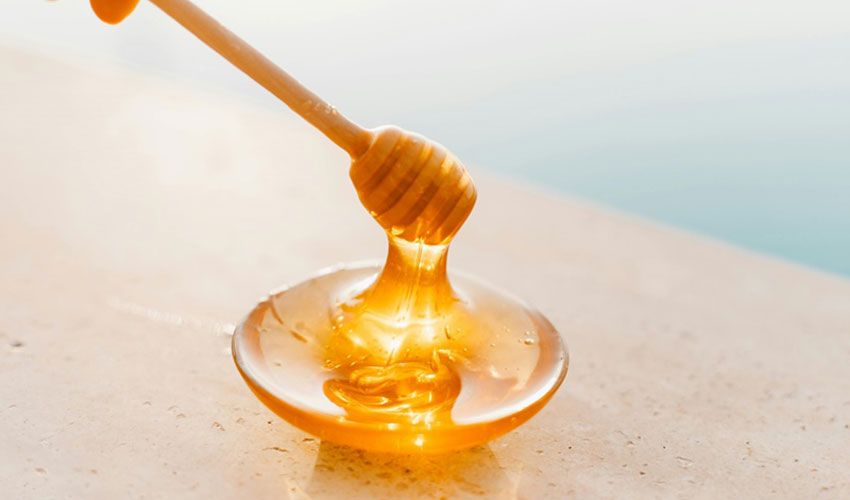
Honey is widely cherished around the world for its natural sweetness and versatile uses. Many people enjoy adding honey to their tea to enhance flavour, spreading it on their morning toast for a touch of natural sweetness, or incorporating it into various recipes. Its appeal extends beyond taste; for many, honey evokes warm memories, such as my own childhood experience visiting my grandfather. I vividly recall how, as a toddler, he would always prepare a comforting cup of warm milk infused with honey, offering both nourishment and a soothing treat that has stayed with me over the years.
In addition to its culinary appeal, Honey has gained popularity among women seeking natural ways to improve their skin health. Its moisturising, antibacterial, and anti-inflammatory properties make it a favoured ingredient in skincare routines, masks, and remedies aimed at promoting a radiant, healthy complexion. However, Honey’s remarkable benefits extend far beyond taste and skincare. Scientific research has uncovered its impressive ability to enhance wound healing and combat infections.
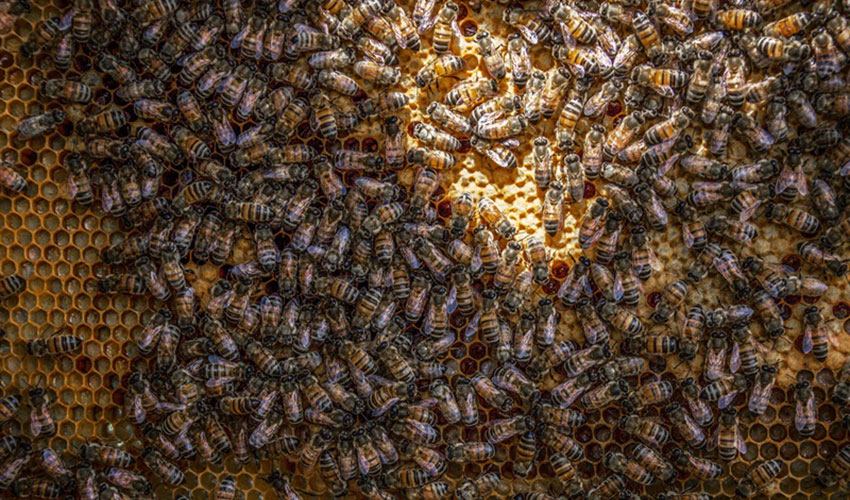
Historically used in traditional medicine, Honey’s natural antibacterial properties help prevent and fight infections in wounds, making it a valuable adjunct in medical treatments. Its unique composition, rich in enzymes, antioxidants, and bioactive compounds, creates an environment conducive to tissue regeneration and faster recovery. Understanding honey’s multifaceted properties reveals why it has been treasured across cultures and generations, not just as a sweetener, but as a natural healer with the potential to save lives. Let’s find out more about the science behind Honey’s healing powers and explore how this golden substance continues to be a vital resource in health and medicine today.
The Antimicrobial Properties of Honey – A Natural Healing Agent
Honey, a natural substance with a longstanding history of medicinal use, has increasingly been recognised for its powerful antimicrobial properties, especially against bacteria resistant to conventional antibiotics. This overview explores how honey exerts its antimicrobial effects, including its activity against resistant strains such as Methicillin-resistant Staphylococcus aureus (MRSA) and Pseudomonas aeruginosa. The antibacterial action of Honey is complex and multi-faceted, involving the production of hydrogen peroxide, phenolic compounds, high sugar content, and the presence of bee defensin-1. The specific composition of Honey varies depending on the flowers visited by the bees, which can influence its strength as an antimicrobial agent. Certain varieties, notably Manuka Honey, are particularly valued in clinical settings due to their elevated levels of bioactive substances.
Research has demonstrated Honey’s capability to disrupt bacterial biofilms, which are structured communities of bacteria that are often resistant to antibiotics, making it especially useful in treating chronic wounds and persistent infections. Its therapeutic benefits extend further to enhancing wound healing, reducing inflammation, and fostering tissue regeneration. These qualities underscore Honey’s broad potential as a natural remedy in medical care.
As antibiotic resistance becomes an escalating global health challenge, Honey presents a promising complementary option in antimicrobial treatment strategies. Ongoing research into its active components and possible synergistic effects with other natural agents, such as ginger and propolis, could broaden its application scope. Establishing standardised honey formulations for medical use and creating clinical guidelines are crucial steps toward maximising its therapeutic potential. As our scientific understanding of Honey’s antimicrobial mechanisms deepens, its integration into mainstream healthcare as an adjunct therapy is likely to grow, offering a natural and effective alternative in the fight against infectious diseases.
Honey’s Medicinal History
Throughout history, honey has been utilised in a wide range of medicinal applications, from treating wounds to addressing respiratory illnesses. Its role in wound management is especially significant, as honey has demonstrated the ability to promote healing through various mechanisms, reducing inflammation, stimulating tissue regeneration and preventing infections. Clinical research supports these benefits, showing that Honey dressings can speed up the healing process and lead to better outcomes in patients with diabetic ulcers and burns. Medical-grade Honey, such as Medihoney™, has gained recognition from healthcare professionals as a safe and effective alternative to traditional wound care products, especially in cases where antibiotic resistance complicates treatment.
Among different types, as explained above, Manuka Honey is renowned for its high methylglyoxal content and strong antimicrobial properties, whereas Acacia Honey is appreciated for its high fructose levels and mild flavour. The metabolic diversity inherent in Honey contributes to various health benefits, including enhanced wound healing, immune system support, and antioxidant defence. This diversity underscores Honey’s dual role as both a nutritional staple and a medicinal remedy.
The unique biochemical makeup of Honey, particularly its abundance of antioxidants, plays a key role in its health-promoting effects. Phenolic compounds present in Honey exhibit antioxidant activities that help reduce oxidative stress and inflammation, thereby supporting tissue repair. Additionally, these bioactive constituents reinforce Honey’s antimicrobial capabilities and confer supplementary therapeutic effects, such as anti-inflammatory and immune-modulating properties. This combination of actions positions Honey as a promising agent in integrative medicine, where natural products are increasingly valued for their ability to complement conventional treatments.
Ongoing research continues to explore the various applications of Honey in modern healthcare, particularly its antimicrobial potentials. Evidence increasingly supports the use of honey as a topical treatment for skin conditions like atopic dermatitis and skin ulcers. Furthermore, emerging studies are examining honey’s potential role in cancer prevention and therapy, suggesting that its diverse physicochemical traits may have chemoprotective effects. Ultimately, the versatile nature of Honey, as both a nourishing food and a potent therapeutic resource, highlights its significance in contemporary medicine, offering a complementary approach to improving health outcomes through natural means.
The Best Honeys for Wound Healing & Overall Health
The most effective Honeys for wound healing are distinguished by their potent antimicrobial properties, high bioactive compound content, and ability to promote tissue regeneration. Here are some of the best types of Honey used for wound care, along with their descriptions:
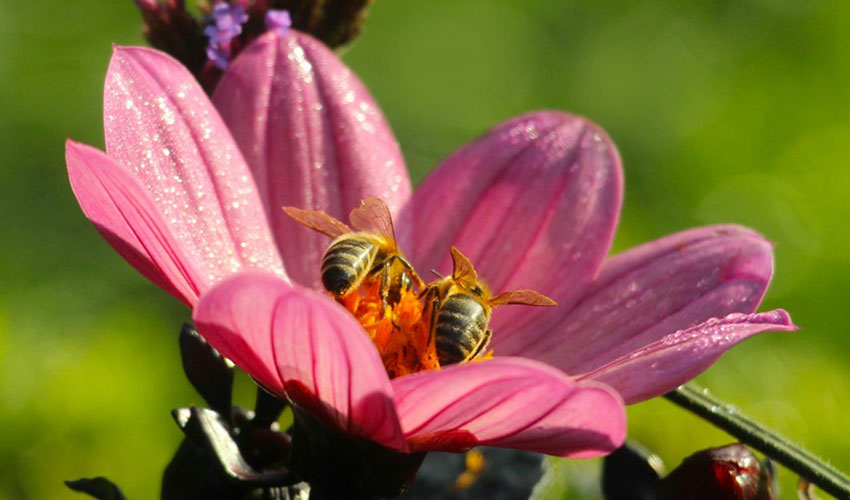
Manuka Honey (New Zealand)
Derived from the nectar of the Manuka tree (Leptospermum scoparium) native to New Zealand and southeastern Australia, Manuka Honey has garnered worldwide recognition for its exceptional healing properties and potent antimicrobial effects. Unlike regular Honey, Manuka Honey contains a unique compound called methylglyoxal (MGO), which is responsible for its powerful antibacterial activity. This natural substance enables Manuka Honey to effectively combat a broad spectrum of bacteria, including antibiotic-resistant strains such as MRSA, making it a valuable asset in wound care and infection control. Its healing powers extend beyond antimicrobial action; Manuka honey is renowned for promoting tissue regeneration, reducing inflammation, and accelerating the healing process of cuts, burns, and ulcers. Medical professionals often recommend it as a natural alternative or complement to conventional treatments, especially in cases where infections are stubborn or resistant to antibiotics. Additionally, its anti-inflammatory and antioxidant properties help soothe irritated skin and support overall skin health. The therapeutic benefits of Manuka Honey have been validated through numerous scientific studies, establishing it as a natural, effective, and versatile remedy with the potential to save lives and improve healing outcomes. Its unique composition and proven efficacy continue to make Manuka Honey a prized natural medicine in both traditional and modern healthcare practices.
Acacia Honey (Europe, North America, Australia)
Produced from the nectar of the Acacia tree (Robinia pseudoacacia), Acacia Honey is renowned for its delicate flavour, light colour, and exceptional health benefits. One of its most notable qualities is its high concentration of natural sugars, particularly fructose, which gives it a slow and steady energy release, making it a favoured choice for sustained vitality. Beyond its sweet taste, Acacia Honey possesses remarkable healing properties that have been valued for centuries. Its natural antibacterial and antimicrobial effects help inhibit the growth of harmful bacteria, making it useful in wound healing and infection prevention. Because of its high enzymatic activity and rich antioxidant content, Acacia Honey can promote tissue repair, reduce inflammation, and support the immune system’s response to injury. Its gentle nature also makes it suitable for soothing sore throats and calming digestive issues. Additionally, Acacia Honey’s low glycemic index means it has a minimal impact on blood sugar levels, making it a healthier sweetener option for those managing diabetes or seeking to maintain stable energy levels. Scientific studies have highlighted its potential to accelerate healing processes, reduce bacterial colonisation, and provide a natural, safe remedy for various health concerns. Overall, Acacia Honey’s unique composition and healing powers make it a valuable natural resource, blending delicious taste with therapeutic benefits that can support overall health and recovery.
Heather Honey (Scotland, Ireland, Scandinavia)
Heather Honey is a dark, aromatic Honey produced from the nectar of heather plants (Calluna vulgaris), which are native to regions such as the United Kingdom, Ireland, and parts of Scandinavia. Known for its distinctive, slightly spicy aroma and rich, full-bodied flavor, Heather honey is highly prized among honey connoisseurs. The health benefits of Heather Honey are notable due to its high antioxidant content, including phenolic compounds and flavonoids, which help combat oxidative stress and support immune function. Its natural antimicrobial properties make it effective in fighting bacteria and promoting wound healing when applied topically or consumed regularly. Heather Honey is also valued for its anti-inflammatory effects, which can help soothe sore throats, reduce coughing, and alleviate respiratory discomfort. Additionally, it contains natural enzymes that support digestion and gut health. Its high mineral content, including iron and magnesium, contributes to overall vitality and energy levels. Due to its rich antioxidant profile and therapeutic properties, Heather Honey is considered a natural remedy for boosting immunity, supporting respiratory health, and promoting overall wellness, all while offering a unique and complex flavor experience.. Ancient Purity supplies Premier Quality Scottish Heather Honey.
Medihoney (Active Leptospermum Honey)
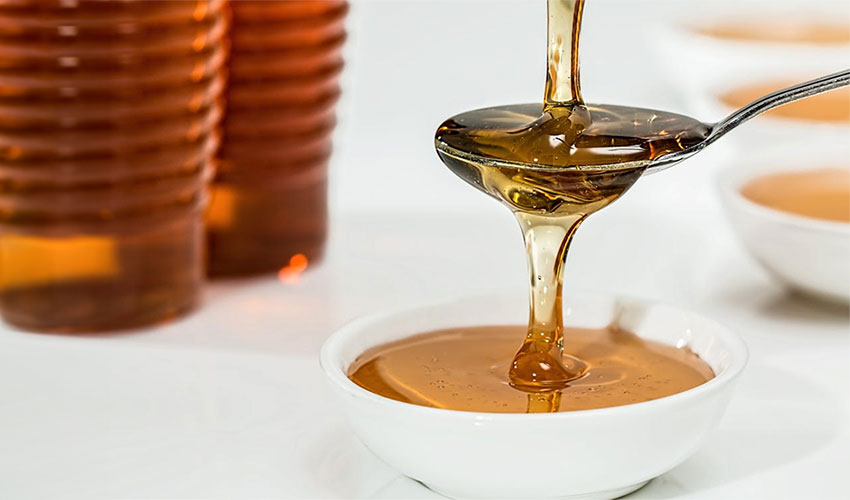
Medihoney is a medical-grade Honey derived from Leptospermum species, similar to Manuka, and is specifically processed for clinical use. It contains high levels of methylglyoxal and other bioactive compounds that provide antimicrobial effects. Medihoney is widely used in hospitals for wound dressings, helping to debride necrotic tissue, prevent infection, and facilitate faster healing.
Tualang Honey (Malaysia)
Tualang Honey is a unique and highly valued honey native to Malaysia, produced by honeybees that collect nectar from the flowers of the Tualang tree (Koompassia excelsa), a towering rainforest tree found in Southeast Asian forests. Known for its rich, complex flavour and dark amber colour, Tualang Honey is celebrated not only for its distinctive taste but also for its impressive health-promoting properties. The health benefits of Tualang honey are well-supported by scientific research. It is rich in antioxidants, including phenolic compounds and flavonoids, which help combat oxidative stress and support overall immune function. Its antimicrobial properties make it effective in fighting bacteria and supporting wound healing, making it a valuable natural remedy for skin infections and injuries. Additionally, Tualang Honey has been shown to possess anti-inflammatory effects, which can help reduce inflammation and support recovery from illness. Some studies suggest that it may also promote better sleep, improve skin health, and support digestive health due to its prebiotic properties. Because of its high antioxidant content and natural bioactive compounds, Tualang Honey is considered a potent natural health supplement, offering a delicious way to boost immunity, enhance healing, and support overall wellness. Its unique rainforest origin and therapeutic benefits make it a prized Honey in traditional medicine and modern health practices alike.
Buckwheat Honey (Russia, USA, Canada,Europe)
Buckwheat Honey is a dark, robust honey derived from the nectar of buckwheat flowers, which are cultivated in regions such as Russia, the United States, Canada, and parts of Europe. Known for its deep color and strong, malty flavour, Buckwheat Honey is distinguished by its high antioxidant content and potent therapeutic properties. The health benefits of Buckwheat Honey are extensive. Its rich concentration of antioxidants, including phenolic acids and flavonoids, helps neutralise free radicals, reducing oxidative stress and supporting overall immune health. This high antioxidant level also contributes to its strong antimicrobial activity, making it effective in fighting bacteria and supporting wound healing. Buckwheat Honey is often used to soothe sore throats, coughs, and respiratory issues due to its natural anti-inflammatory and antimicrobial properties. Additionally, its high levels of bioactive compounds can help reduce inflammation in the body, support cardiovascular health, and improve gut health. Its robust flavour and therapeutic qualities make Buckwheat Honey a popular choice for those seeking a natural remedy with both culinary and medicinal benefits.
Raw Amish Honey (USA)
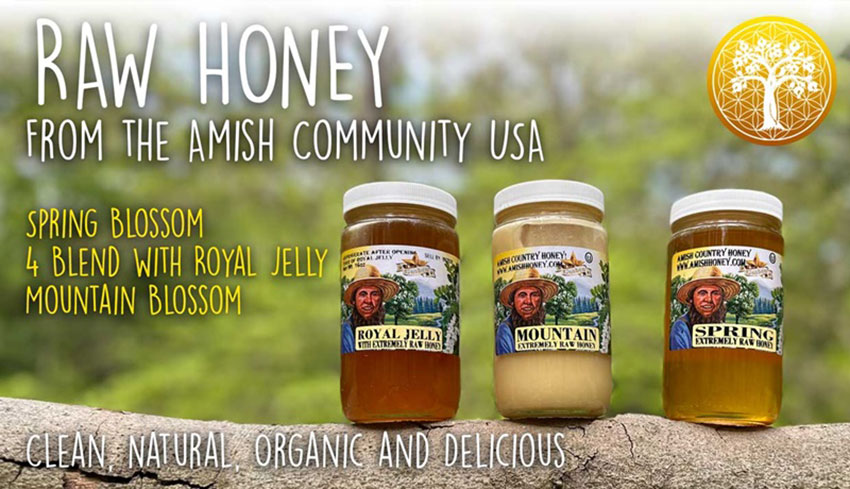
This is a natural, unprocessed Honey produced by Amish beekeepers who prioritise traditional, sustainable, and minimally invasive methods of Honey harvesting. Because it is raw, this Honey has not undergone pasteurisation, filtration, or artificial processing, allowing it to retain its full spectrum of natural enzymes, antioxidants, vitamins, and minerals. The health benefits of Raw Amish Honey are numerous and well-regarded. Its rich antioxidant content helps combat oxidative stress and reduce inflammation, supporting overall immune health. The natural enzymes present in raw Honey, such as glucose oxidase, contribute to its antibacterial properties, making it effective in fighting infections and promoting wound healing when applied topically. Additionally, raw Amish Honey can soothe sore throats, alleviate coughs, and support digestive health by promoting healthy gut bacteria. Its natural sugars provide a quick source of energy, making it a wholesome alternative to processed sweeteners. Because it is minimally processed and free from additives, Raw Amish honey is often considered a pure and authentic natural remedy, valued for both its nutritional qualities and its role in supporting overall wellness. Ancient Purity Supplies Raw Amish Honey from Californian and Pennsylvanian Amish communities.
Raw Forest Honey (Various Regions)
A natural, unprocessed Honey harvested from bees that collect nectar and secretions from wild, diverse flora found in forested regions. Personally, I always use Raw Forest Honey from Northern Thailand’s mountainous regions. Unlike commercial honey that may undergo pasteurisation or filtration, Raw Forest Honey is minimally processed, preserving its full array of natural enzymes, antioxidants, vitamins, and minerals. This type of honey is often characterised by its rich, complex flavour profile and darker colour, which indicates a higher concentration of bioactive compounds. The health benefits of Raw Forest Honey are extensive. Its high antioxidant content helps neutralise free radicals, reducing oxidative stress and supporting overall immune function. The natural enzymes present, such as glucose oxidase, contribute to its potent antimicrobial properties, making it effective in fighting bacteria and promoting wound healing when applied topically. Additionally, Raw Forest Honey can soothe sore throats, alleviate coughs, and aid digestion by supporting healthy gut flora. Its anti-inflammatory properties may help reduce inflammation in the body, contributing to improved health and recovery from illness. Because it is sourced from wild, diverse flora, Raw Forest Honey often contains a broader spectrum of phytochemicals and bioactive compounds compared to mono-floral Honeys, enhancing its therapeutic potential. Its natural, unadulterated state makes it a highly valued natural remedy for supporting immune health, healing, and overall wellness.
Longan Honey (Southeast Asia)
A natural Honey derived from the nectar of longan flowers (Dimocarpus longan), a tropical fruit tree native to Southeast Asia. Known for its delicate, sweet aroma and light colour, Longan Honey is prized not only for its pleasant taste but also for its numerous health benefits. This Honey is rich in natural sugars, antioxidants, vitamins, and minerals, which contribute to its therapeutic properties. Its high antioxidant content helps combat oxidative stress, supporting overall immune health and reducing inflammation. Longan Honey is traditionally used in herbal medicine to promote relaxation, reduce stress, and improve sleep quality, owing to its calming effects. Additionally, it has antimicrobial properties that can help fight infections and support wound healing when applied topically or consumed regularly. Some studies suggest that Longan honey may also aid digestion, soothe sore throats, and boost energy levels due to its natural sugars and nutrient profile. Its gentle, sweet flavour makes it a versatile addition to teas, desserts, or taken directly for health maintenance. Overall, Longan Honey is a natural, wholesome remedy that combines delicious taste with potential health-promoting benefits, making it a valuable component of a balanced, health-conscious lifestyle.
Leatherwood Honey (Tasmania, Australia)
Leatherwood Honey is a highly prized and distinctive honey native to Tasmania, Australia. It is produced by bees that collect nectar from the Leatherwood tree (Eucryphia lucida), which blooms during the summer months, resulting in a Honey renowned for its complex, floral aroma and rich, amber colour. Leatherwood Honey is celebrated not only for its unique and intense flavour profile, characterised by a sweet, slightly spicy, and floral taste, but also for its impressive health benefits. It contains a variety of antioxidants, including phenolic compounds, which help combat oxidative stress and support overall immune health. Its antimicrobial properties make it effective in fighting bacteria, and it has been traditionally used to soothe sore throats and support respiratory health. Additionally, Leatherwood Honey’s natural enzymes and bioactive compounds may promote wound healing and tissue regeneration when applied topically or consumed regularly. Its rich antioxidant content also contributes to reducing inflammation and supporting cardiovascular health. Due to its rarity and distinctive flavour, Leatherwood Honey is often regarded as a gourmet delicacy, prized by connoisseurs and health enthusiasts alike for both its exceptional taste and therapeutic potential.
Sidr Honey (Yemen)
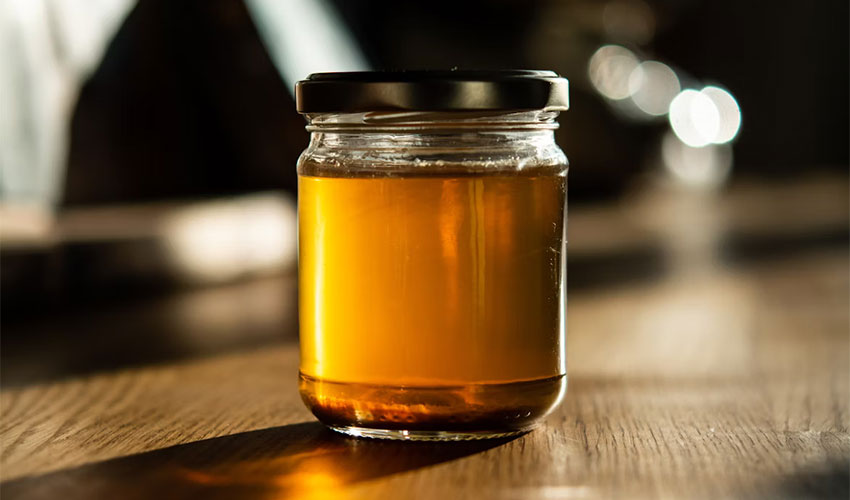
Sidr Honey, also known as Sidr or Sidr tree Honey, is a highly esteemed and traditional Honey harvested primarily from the nectar of the Sidr tree (Ziziphus spina-christi), which is native to Yemen, the Middle East, and parts of North Africa. Renowned for its rich, complex flavour and dark amber colour, Sidr Honey has been valued for centuries for both its culinary and medicinal qualities. The health benefits of Sidr Honey are numerous and well-documented in traditional medicine. It possesses potent antimicrobial and antibacterial properties, making it effective in fighting infections, supporting wound healing, and preventing bacterial growth. Its high antioxidant content helps neutralise free radicals, reducing oxidative stress and supporting overall immune health. Additionally, Sidr Honey is believed to have anti-inflammatory effects, which can help soothe sore throats, reduce inflammation in the body, and promote respiratory health. It is also used to support digestive health, alleviate gastrointestinal issues, and boost energy levels. Many consider Sidr Honey a natural remedy for boosting immunity, improving skin health, and enhancing overall wellness. Its unique flavour and therapeutic properties have made it a prized delicacy and medicinal resource across the Middle East and beyond.
Linden Honey (Europe)
Linden Honey, also known as Lime Blossom Honey, is a fragrant and delicate Honey derived from the nectar of linden trees (Tilia species), which are native to Europe, North America, and parts of Asia. It is characterised by its light hue, smooth texture, and a distinctive, minty, and floral aroma that makes it highly prized among honey connoisseurs. Linden Honey is celebrated not only for its exquisite flavour but also for its numerous health benefits. It contains a rich array of antioxidants, including phenolic compounds, which help combat oxidative stress and support the immune system. Its natural anti-inflammatory properties can help soothe sore throats, reduce coughing, and alleviate respiratory discomfort, making it a popular remedy during cold and flu seasons. Additionally, Linden honey has calming and relaxing effects, often used to promote restful sleep and reduce stress. Its mild antimicrobial activity can support wound healing and prevent infections when applied topically or consumed regularly. Furthermore, Linden Honey may aid digestion, soothe gastrointestinal issues, and provide a gentle energy boost due to its natural sugars. Overall, Linden Honey is valued both for its delicate taste and its therapeutic properties, making it a natural choice for supporting overall health and wellness.
Each of these Honeys contains unique bioactive compounds that contribute to their wound-healing capabilities. When selecting honey for medical use, it is essential to choose medical-grade, sterilised Honey to ensure safety and efficacy. Their natural antimicrobial and healing properties make them valuable adjuncts or alternatives to conventional wound treatments, especially in cases resistant to standard therapies.
”The bee collects honey from flowers in such a way as to do the least damage or destruction to them, and he leaves them whole, undamaged and fresh, just as he found them.” – Saint Francis de Sales