
I just completed a blog article about how to incorporate Ayurvedic principles into daily nutrition & lifestyle. It will be published soon. However, today I want to talk about a new Ancient Purity product, Immu-Zest & Digest. Ayurvedic foods are rooted in the ancient Indian system of medicine known as Ayurveda, which emphasises harmony between the body, mind, and environment. These foods are carefully selected and prepared to balance the body’s doshas known as Vata, Pitta and Kapha, promoting optimal health, vitality, and well-being.
By incorporating Ayurvedic principles into daily nutrition, you can support digestion, boost immunity, and achieve a state of holistic wellness. Embracing Ayurvedic foods offers a mindful approach to eating, that nurtures both the body and the spirit, fostering a harmonious and vibrant life. Let’s take a closer look at the super-foods included in the Immu-Zest & Digest blend, renowned for their powerful health benefits…

Mangoes
Mangoes are highly valued not only for their delicious flavour but also for their numerous health benefits, which are recognised in various traditional systems of medicine, including Ayurveda. Rich in essential vitamins such as vitamin C, vitamin A, and vitamin E, Mangoes support immune function, promote healthy skin, and enhance vision. They are also a good source of dietary fibre, which aids in digestion and helps maintain gastrointestinal health. In Ayurvedic medicine, Mangoes are considered to have a balancing effect on the body’s doshas, particularly Kapha and Pitta, and are believed to promote vitality, improve digestion, and detoxify the body. The fruit’s natural antioxidants help combat free radicals, reducing oxidative stress and supporting overall health. Additionally, mangoes are thought to have a cooling effect, making them suitable for balancing excess heat in the body, and are often used to boost energy and improve mental clarity. Overall, Mangoes are regarded as a nourishing fruit that contributes to holistic well-being when incorporated into a balanced diet, aligning with Ayurvedic principles of harmony and health.
Ceylon Cinnamon
Ceylon Cinnamon, often referred to as “true cinnamon,” is highly valued not only for its distinctive flavour but also for its numerous health benefits, particularly within the context of Ayurvedic medicine. Rich in antioxidants, Ceylon Cinnamon helps combat oxidative stress, which is linked to ageing and various chronic diseases. It possesses anti-inflammatory properties that can aid in reducing inflammation and alleviating symptoms associated with conditions such as arthritis. In Ayurvedic practice, Ceylon Cinnamon is considered a warming spice that supports digestion, enhances circulation, and balances the body’s doshas, especially Kapha and Vata. It is also believed to help regulate blood sugar levels, making it beneficial for people with metabolic imbalances. Additionally, Ceylon Cinnamon is used to boost immunity, improve respiratory health, and promote overall vitality. Its gentle yet potent nature aligns with Ayurvedic principles of harmony and holistic wellness, making it a valued ingredient in traditional healing practices.

Turmeric
Turmeric, a vibrant yellow-orange spice derived from the rhizome of the Curcuma longa plant, is renowned for its extensive health benefits and its significant role in Ayurvedic medicine. Rich in bioactive compounds such as curcumin, Turmeric exhibits potent anti-inflammatory, antioxidant and antimicrobial properties, which contribute to its use in managing a variety of health conditions including joint pain, digestive disorders, and skin ailments. In Ayurvedic tradition, Turmeric is considered a vital herb that promotes overall health, balances the body’s doshas, and supports detoxification processes. It is often used to enhance immunity, improve liver function, and foster a sense of well-being. The holistic approach of Ayurveda emphasises Turmeric’s ability to harmonise bodily functions, making it a cornerstone in natural healing practices. Its versatility and therapeutic potential have cemented its status as a valuable medicinal plant across centuries, reflecting its enduring significance in promoting health and vitality.
Cardamom Seed
Cardamom Seeds are highly valued in traditional Ayurvedic medicine for their numerous health benefits and their role in promoting overall well-being. Rich in antioxidants, essential oils, and bioactive compounds, Cardamom Seeds are believed to support digestive health by alleviating indigestion, bloating, and gas. They are also known for their anti-inflammatory and antimicrobial properties, which can help strengthen the immune system and combat infections. In Ayurvedic practice, Cardamom is considered a warming spice that balances the doshas, particularly Kapha and Vata, thereby aiding in detoxification and improving circulation. Additionally, it is often used to enhance respiratory health, reduce bad breath, and promote mental clarity and alertness. The holistic approach of Ayurveda views Cardamom as a vital herb that not only addresses specific health concerns but also contributes to maintaining harmony within the body’s systems, making it a valued component of a balanced diet and health regimen.

Amla Fruit
Amla Fruit, also known as Indian gooseberry, is highly regarded in traditional Ayurvedic medicine for its extensive health benefits and therapeutic properties. Rich in vitamin C, antioxidants, and bioactive compounds, Amla is celebrated for its ability to boost immunity, improve digestion, and promote overall vitality. It is considered a potent rejuvenator, supporting the body’s natural detoxification processes and enhancing skin health by reducing signs of aging and pigmentation. In Ayurvedic practice, Amla is classified as a tridoshic herb, meaning it balances all three doshas: Vata, Pitta and Kapha making it a versatile remedy for various health conditions. It is often used to strengthen the digestive fire (*Agni), improve liver function, and regulate blood sugar levels. Additionally, Amla’s anti-inflammatory and antimicrobial properties contribute to its role in managing respiratory issues, hair health, and cardiovascular wellness. Its significance in Ayurveda underscores its status as a holistic remedy that nurtures both physical health and spiritual well-being, embodying the principle of restoring balance within the body.
*In Ayurvedic medicine, “Agni” refers to the digestive fire or the metabolic energy responsible for digestion and transformation within the body. It is considered a vital principle that governs the proper functioning of digestion, assimilation, and overall metabolic processes. A balanced Agni is essential for maintaining health, while an imbalanced Agni can lead to various health issues, including indigestion, toxicity, and disease.
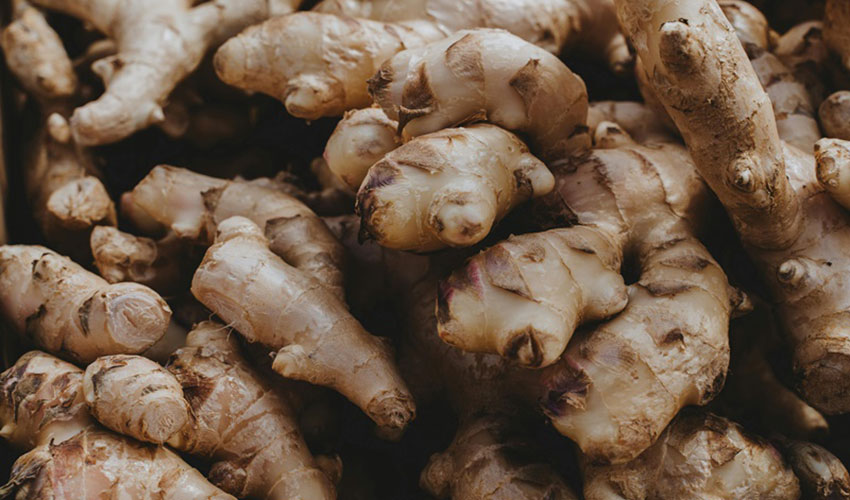
Ginger
Ginger is widely recognised for its numerous health benefits and holds a significant place in Ayurvedic medicine, where it is considered a vital herbal remedy. In Ayurvedic tradition, Ginger is valued for its ability to stimulate digestion, enhance circulation, and promote overall vitality. It is often used to balance the body’s doshas, particularly Kapha and Vata, by warming the body and alleviating cold-related ailments. Modern scientific research supports many of these traditional claims, highlighting Ginger’s anti-inflammatory, antioxidant, and antimicrobial properties. It is commonly employed to relieve nausea, improve gastrointestinal health, and reduce muscle pain and soreness. Additionally, Ginger’s role in boosting immune function and supporting cardiovascular health aligns with its traditional use as a natural remedy for maintaining overall well-being. In essence, Ginger’s multifaceted benefits make it a cornerstone in Ayurvedic healing practices, emphasising harmony within the body and promoting long-term health. Impressed? Here you can order Ancient Purity Immu-Zest & Digest Ayurvedic Super-Foods Blend.
“Each patient carries his own doctor inside him.” – Norman Cousins, Anatomy of an Illness