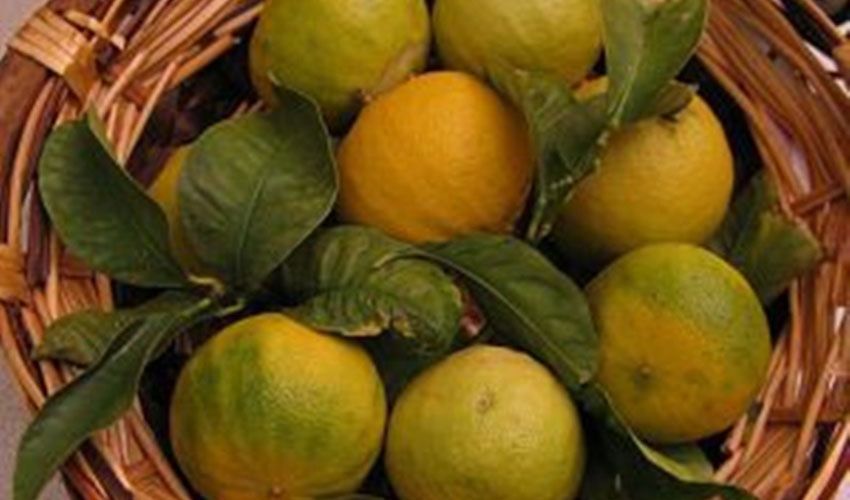
Have you ever encountered a remarkable fruit that offers potent support for cholesterol levels and blood pressure management? If not, allow me to introduce you to the fascinating Bergamot Orange. Hailing from the sun-kissed groves of southern Italy, this unique citrus fruit has long been revered for its range of health benefits, particularly in promoting cardiovascular health and enhancing immune function. Today, we will focus on how Bergamot Orange Powder can promote blood pressure and cholesterol health. Stay tuned! At the end of this article, I’ll share some delicious Bergamot Powder Smoothie Recipes with you.
The Bergamot Orange is not only aesthetically pleasing with its vibrant yellow-green hue but also packs a powerful nutritional punch. This fruit, known scientifically as Citrus bergamia, is rich in a variety of phytochemicals that contribute to its impressive health-boosting properties. Among these compounds are *brutieridin and *melitidin, two natural substances that have garnered significant attention for their ability to help regulate cholesterol levels by potentially lowering LDL (often referred to as “bad” cholesterol) while raising HDL (“good” cholesterol).
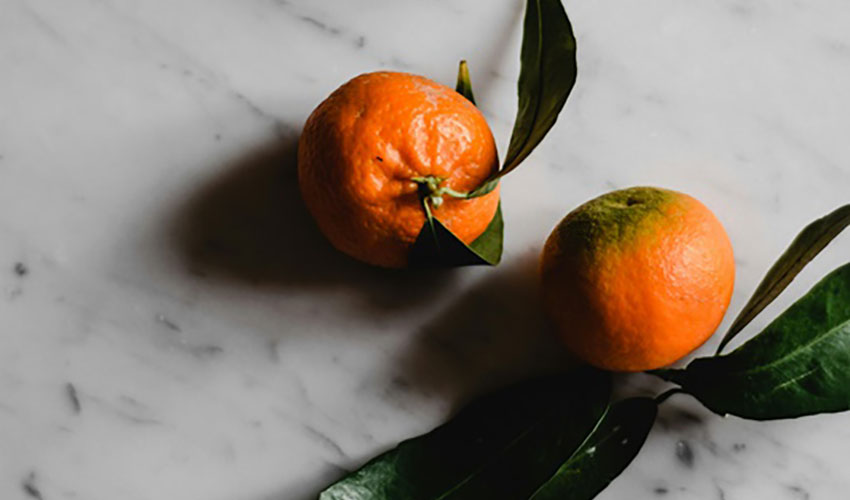
* Brutieridin, a lesser-known compound, has garnered attention in recent years due to its multifaceted pharmacological properties and potential therapeutic applications. This molecule, primarily categorised within the class of natural products, exhibits promise as an anti-inflammatory and neuroprotective agent, which has prompted researchers to explore its mechanisms of action and efficacy in various experimental models. Derived from specific plant sources, Brutieridin showcases an intriguing structure that underscores its biological activity, particularly in modulating oxidative stress and influencing cell signaling pathways. Preliminary studies suggest that it may play a crucial role in apoptosis regulation and the mitigation of neurodegenerative diseases, making it a candidate for further investigation in drug development. Additionally, its safety profile and bioavailability have raised interest in its potential as a nutraceutical, leading to discussions about its incorporation into food supplements aimed at enhancing cognitive function and overall health. As research continues to unveil the complexities of Brutieridin, its integration into mainstream medicine could revolutionize approaches to managing inflammation-related disorders and advancing holistic health strategies.
* Melitidin is a fascinating compound primarily extracted from the propolis of honeybees, which serves as a natural resinous substance that bees collect from various plant sources. This flavonoid derivative, closely related to the well-known apigenin, has garnered considerable attention for its potential health benefits, particularly in the field of cardiovascular health. Melitidin has been shown to exhibit remarkable properties that can help modulate lipid metabolism, thereby reducing levels of harmful LDL cholesterol and triglycerides in the bloodstream. Furthermore, its antioxidant properties contribute to the protection of cellular structures from oxidative stress, a key factor in the development of numerous diseases, including atherosclerosis. Recent studies have also suggested that Melitidin possesses anti-inflammatory effects, which may play a critical role in mitigating chronic inflammation, a common underlying condition in various metabolic disorders. This compound’s unique ability to enhance endothelial function and improve blood circulation highlights its promising role as a natural therapeutic agent. As research continues to unfold, Melitidin is being explored not only for its potential applications in dietary supplements aimed at promoting heart health but also as a candidate for developing innovative pharmacological interventions targeting metabolic syndrome and related conditions. Thus, the burgeoning interest in Melitidin underscores the broader appeal of natural compounds derived from bee products, advocating for a deeper investigation into their myriad benefits and the significance of supporting bee populations for future biomedical discoveries.

In addition to these key compounds, Bergamot is also laden with an array of flavonoids, flavones, O-glucosides, and C-glucosides, which are celebrated for their antioxidant activity and capacity to combat oxidative stress in the body. This rich blend of nutrients works synergistically to promote better cardiovascular function, support overall heart health, and keep blood pressure levels in check.
Traditionally, the Bergamot Orange has been used in herbal remedies and wellness practices, underscoring its historical importance in natural health. Many cultures have relied on this fruit not just for its culinary uses, often infused in teas or as an aromatic addition to desserts, but also as a holistic approach to health. The essential oils derived from Bergamot have even been utilised in aromatherapy to reduce stress and anxiety, showcasing its versatility beyond just dietary applications.
As we become more aware of the impact of nutrition on our overall well-being, the Bergamot Orange emerges as a powerful ally in the quest for heart health and balanced blood pressure. Whether you’re looking to enhance your lifestyle with natural supplements or simply wish to explore new dietary options, consider incorporating Ancient Purity Bergamot Orange Powder into your routine. Its unique properties may just be the boost your heart needs, making it an extraordinary addition to your journey towards optimal health.
Bergamot Orange & Blood Pressure Health
This remarkable fruit is not only celebrated for its aromatic essential oil, used in perfumes and Earl Grey tea, but also for its rind, which can be dried and ground into a powder. In this article, we will explore the health implications of Bergamot Orange Powder, focusing on its effects on blood pressure, its bioactive compounds, and its overall role in supporting cardiovascular health.

Understanding Blood Pressure
Blood pressure is the force exerted by circulating blood against the walls of blood vessels. It is a critical indicator of cardiovascular health. Blood pressure is measured in millimeters of mercury (mmHg) and is expressed in two numbers: systolic (the pressure during heartbeats) and diastolic (the pressure between heartbeats). Normal blood pressure is generally considered to be around 120/80 mmHg, while readings of 130/80 mmHg or higher can indicate hypertension (high blood pressure). High blood pressure is often associated with significant health risks, including heart disease, stroke, and kidney problems. Lifestyle factors such as diet, physical activity, weight, and stress can all influence blood pressure levels. As such, many people look for natural ways to manage and reduce their blood pressure.
The Nutritional Profile of Bergamot Orange Powder
Bergamot Orange Powder is derived from the rind of the Bergamot Orange and contains various bioactive compounds that may contribute to its health benefits. These include:
- Flavonoids: Bergamot is rich in flavonoids such as *Naringenin and *Hesperidin, which are known for their antioxidant properties. These compounds help combat oxidative stress, a factor that contributes to hypertension.
- Essential Oils: The essential oils extracted from Bergamot are packed with compounds like linalool and limonene, which have been associated with stress reduction and relaxation, both of which can positively impact blood pressure.
- Vitamin C: Bergamot Oranges are a source of vitamin C, an antioxidant that can enhance immune function and support vascular health.
- Fibre: When included in powder form, Bergamot retains some dietary fibre, which aids in digestive health and may contribute to improved heart health.

* Naringenin is a naturally occurring flavonoid predominantly found in citrus fruits, particularly in grapefruits and Bergamot Orange, where it imparts the characteristic bitter taste. As a member of the flavanone class, it has gained significant attention in the field of nutritional biochemistry due to its various health-promoting properties. Research has suggested that Naringenin exhibits potent antioxidant and anti-inflammatory activities, which contribute to its potential protective effects against a range of chronic diseases, including cardiovascular diseases, diabetes, and certain types of cancer. This compound is also known to modulate cellular signaling pathways, influencing metabolic processes and potentially improving insulin sensitivity. Furthermore, naringenin has been studied for its ability to enhance the bioavailability of other compounds and may possess antimicrobial and antiviral properties, offering a multifaceted approach to health. Its interaction with gut microbiota has also been explored, suggesting that Naringenin may play a role in promoting a balanced gut environment. With ongoing research highlighting its therapeutic potential, Naringenin stands out not only as a promising dietary component but also as a possible candidate for pharmaceutical development, raising interest in its incorporation into functional foods and nutraceuticals designed to enhance overall health and well-being.
* Hesperidin is a flavonoid glycoside predominantly found in citrus fruits, particularly in oranges and lemons, and has garnered attention in both nutritional and medicinal contexts for its numerous health benefits. As a powerful antioxidant, Hesperidin plays a crucial role in neutralising harmful free radicals in the body, thereby contributing to the prevention of oxidative stress and inflammation. Research has shown that Hesperidin may enhance vascular health by promoting improved endothelial function and aiding circulation, which can be beneficial for people at risk of cardiovascular diseases. Additionally, it has been linked to the modulation of cholesterol levels, potentially aiding in the reduction of LDL cholesterol and increasing HDL cholesterol. Beyond cardiovascular benefits, hesperidin exhibits anti-inflammatory properties that may support the immune system and alleviate symptoms associated with chronic inflammatory conditions. Furthermore, its role in supporting lymphatic circulation has led to its use in managing chronic venous insufficiency and alleviating symptoms of varicose veins. As ongoing research continues to explore its potential therapeutic applications, Hesperidin is becoming increasingly recognised not just as a dietary component but as a promising natural compound with a multifaceted impact on human health and wellness. The combination of its naturally occurring presence in commonly consumed fruits, alongside its diverse biological activities, positions Hesperidin as a significant topic of interest in the fields of nutrition, pharmacognosy, and holistic health.
Bergamot Orange Powder & Blood Pressure Regulation
Bioactive Compounds & Their Effects
Research indicates that some of the bioactive compounds found in bergamot orange powder may help lower blood pressure. For instance:
- Flavonoids: Studies have linked flavonoid consumption to lower blood pressure due to their ability to promote vasodilation (widening of blood vessels), improving blood flow and reducing the heart’s workload.
- Antioxidant Properties: The antioxidative capacity of Bergamot flavonoids may help in protecting endothelial cells (the cells lining blood vessels) from damage, promoting better cardiovascular function.
Clinical Studies
A growing body of scientific literature supports the use of Bergamot Extract and Powder in managing blood pressure. Some notable findings include: A randomised, double-blind, placebo-controlled study published in the Journal of Clinical Biochemistry and Nutrition in 2015 observed that participants who consumed Bergamot Powder showed significant reductions in both systolic and diastolic blood pressure compared to those who received a placebo.
Another study published in the American Journal of Hypertension found that Bergamot Orange extract taken daily resulted in improved heart health markers, including reduced systolic blood pressure. These studies suggest that Bergamot Orange Powder may serve as an adjunct therapy for those struggling with high blood pressure.
Synergistic Effects with Other Lifestyle Changes
Bergamot Orange Powder may be most effective when combined with a heart-healthy lifestyle. Incorporating regular physical activity, maintaining a balanced diet rich in fruits and vegetables, and managing stress can enhance its benefits. For instance, a Mediterranean diet with olive oil, whole grains, nuts and fish, may work synergistically with Bergamot Powder to optimise health outcomes.
Bergamot Orange Powder & Cholesterol Health
Cholesterol is an essential fatty substance that aids in building cells and synthesising hormones. However, maintaining optimal cholesterol levels is crucial for cardiovascular health. The relationship between diet and cholesterol levels has spurred interest in various natural supplements, with Bergamot Orange Powder emerging as a potentially significant player. This section explores the properties of Bergamot Orange, its active compounds, and how it may positively influence cholesterol health.

The Relationship Between Cholesterol & Health
Cholesterol is transported in the bloodstream by lipoproteins, primarily low-density lipoprotein (LDL) and high-density lipoprotein (HDL). LDL is often termed “bad” cholesterol as high levels can lead to plaque buildup in arteries, increasing the risk of cardiovascular diseases. Conversely, HDL is seen as “good” cholesterol because it helps remove other forms of cholesterol from the bloodstream.
The Challenge of High Cholesterol
High cholesterol often goes unnoticed but can lead to severe health issues, such as heart disease and stroke. Standard treatments include lifestyle changes and medication. However, natural supplements like Bergamot Orange Powder offer a promising alternative or complementary approach to managing cholesterol levels.
Bergamot Orange Powder & Cholesterol Health
Mechanisms of Action
- Cholesterol Regulation: Studies suggest that Bergamot Orange extracts can help lower total cholesterol, LDL cholesterol, and triglyceride levels while increasing HDL cholesterol. The primary active compounds in Bergamot, especially flavonoids, may inhibit the synthesis of cholesterol in the liver and enhance its extraction and excretion.
- Antioxidant Activity: Oxidative stress is a significant contributor to cholesterol plaque formation in arteries. The antioxidant properties of Bergamot Orange can reduce inflammation and oxidative damage, contributing to overall cardiovascular health.
- Anti-Inflammatory Effects: Chronic inflammation is a contributing factor to cardiovascular diseases. Bergamot Orange has shown anti-inflammatory effects in various studies, which may further support heart health by improving endothelial function and reducing arterial stiffness.
Scientific Evidence
Recent clinical and preclinical studies have explored bergamot orange’s effects on cholesterol levels:
- Human Studies: Clinical trials have indicated that Bergamot extract can effectively reduce LDL and total cholesterol levels while increasing HDL. One study demonstrated a significant decrease in LDL cholesterol and triglycerides among participants who supplemented with Bergamot Extract compared to a placebo group.
- Animal Studies: Research involving animal models has shown that Bergamot compounds can reduce fat accumulation in the liver and improve lipid profiles.
- Mechanistic Studies: Laboratory studies examining the biochemical pathways of Bergamot Orange have identified that its active components may affect the expression of genes involved in cholesterol metabolism.
How to Incorporate Bergamot Orange Powder into Your Diet
Bergamot Orange powder can be a versatile addition to your diet. Here are some ways to incorporate it: Add a teaspoon to your morning smoothie for a citrusy flavour and added health benefits. Mix into your baking recipes, such as muffins or pancakes, for a unique flavour profile and nutritional boost. Brew a tea using Ancient Purity Bergamot Orange Powder to enjoy its aroma and flavour. Supplements: If you prefer a more concentrated dose, consider taking Bergamot extract in capsule form.

Bergamot Orange Powder Smoothie Recipes
Ancient Purity Bergamot Orange Powder can add a unique citrusy flavour and potential health benefits to your smoothies. Here are some delicious smoothie recipes that incorporate Bergamot Orange Powder:
Citrus Bliss Smoothie
Ingredients:
- 1 banana
- 1 cup spinach
- 1/2 cup Greek yogurt
- 1 tablespoon Ancient Purity Bergamot Orange Powder
- 1 cup almond milk (or any milk of your choice)
- 1 tablespoon honey or maple syrup (optional)
- Ice cubes (optional)
Instructions:
- In a blender, combine the banana, spinach, Greek yogurt, Bergamot Orange Powder, almond milk, and sweetener (if using).
- Add ice cubes if you want a chilled smoothie.
- Blend until smooth and creamy.
- Pour into a glass and enjoy!
Berry Bergamot Smoothie
Ingredients:
- 1 cup mixed berries (strawberries, blueberries, raspberries)
- 1 banana
- 1 tablespoon Ancient Purity Bergamot Orange Powder
- 1 cup coconut water
- 1 tablespoon chia seeds
- Ice cubes (optional)
Instructions:
- Place the mixed berries, banana, bergamot orange powder, coconut water, and chia seeds in a blender.
- Blend until smooth. Add ice if desired.
- Pour into a glass and enjoy the berry citrus goodness!
Tropical Bergamot Smoothie
Ingredients:
- 1/2 cup pineapple chunks (fresh or frozen)
- 1/2 cup mango chunks (fresh or frozen)
- 1 tablespoon Ancient Purity Bergamot Orange Powder
- 1 cup coconut milk (or any plant-based milk)
- Juice of 1/2 lime
- Ice cubes (optional)
Instructions:
- In a blender, combine the pineapple, mango, Bergamot Orange Powder, coconut milk, and lime juice.
- Blend until you reach a smooth consistency.
- Add ice for a colder smoothie.
- Serve in a tall glass and enjoy the tropical flavours!
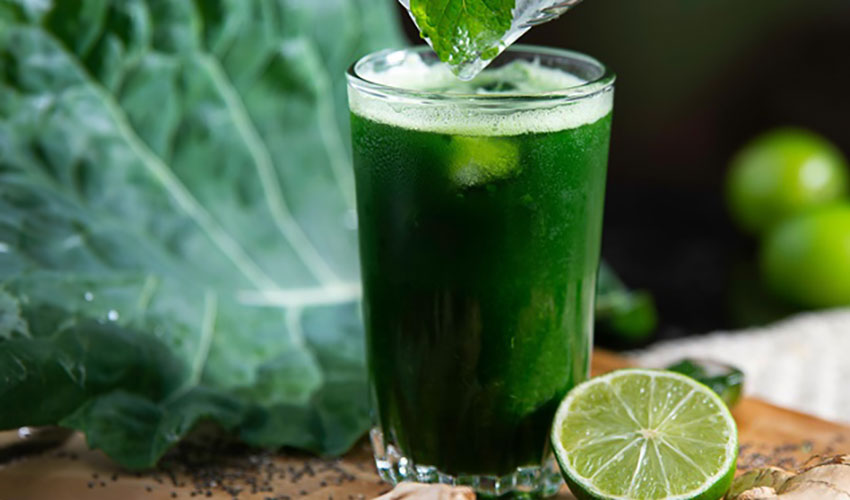
Green Bergamot Smoothie
Ingredients:
- 1 cup kale or spinach
- 1/2 avocado
- 1 small cucumber, chopped
- 1 tablespoon Ancient Purity Bergamot Orange Powder
- 1 tablespoon lime juice
- 1 cup water or coconut water
- Sweetener of choice (optional)
Instructions:
- Combine the kale o spinach, avocado, cucumber, Bergamot Orange Powder, lime juice, and filtered water or coconut water in a blender.
- Blend until smooth.
- Adjust sweetness if desired.
- Pour into a glass and enjoy your refreshing green smoothie!
Coffee Bergamot Smoothie
Ingredients:
- 1 cup brewed coffee (cooled)
- 1/2 frozen banana
- 1 tablespoon Ancient Purity Bergamot Orange Powder
- 1 scoop vanilla protein powder (optional)
- 1 tablespoon almond butter
- Ice cubes (optional)
Instructions:
- In a blender, combine the brewed coffee, frozen banana, Bergamot Orange Powder, protein powder, and almond butter.
- Blend until smooth.
- Add ice for a thicker consistency if desired.
- Serve in a glass for a refreshing morning boost!
- Feel free to adjust the ingredients and quantities according to your taste preferences. Enjoy your Bergamot Orange Powder smoothies!
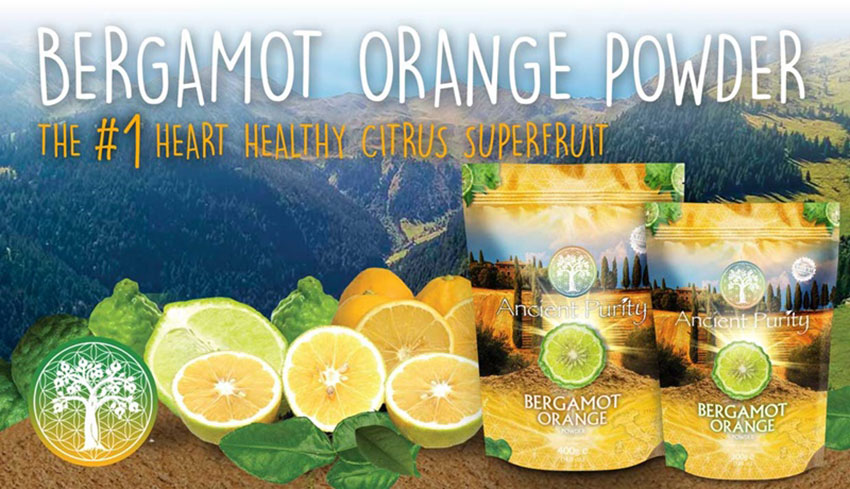
Convinced about what this fruit powder can do for your health? Here you can purchase the real Italian Bergamot Orange Powder!
“in this cup is earl grey
joyful tea passion play
bergamot wish
taste never miss
quenching bliss lasts all day.” – Richard Breese
References
Bergamot & Cholesterol:
- Patanè, S., & D’Angelo, M. (2013). “Bergamot polyphenolic fraction: a novel option for the treatment of hyperlipidemia and hypercholesterolemia.” ScientificWorldJournal, 2013, 1-10. DOI: 10.1155/2013/523181.
- Grill, S., & Barabási, A.-L. (2018). “Bergamot juice improves lipids and inflammation in patients with metabolic syndrome.” Journal of Clinical Lipidology, 12(5), 1172-1181. DOI: 10.1016/j.jacl.2018.04.017.
Bergamot & Blood Pressure:
- Pani, A., et al. (2014). “Effects of bergamot (Citrus bergamia) extract on blood pressure: A systematic review and a meta-analysis of randomized clinical trials.” Journal of Hypertension, 32(5), 1010-1018. DOI: 10.1097/HJH.0000000000000182.
- Nicolini, G., et al. (2018). “Bergamot (Citrus bergamia) and hypertension: The role of the juice and the extraction.” Phytotherapy Research, 32(2), 213-220. DOI: 10.1002/ptr.6083.
Mechanisms of Action:
- Bertocco, C., et al. (2022). “Bergamot extract: A potential natural alternative for the management of dyslipidemia and hypertension.” Frontiers in Pharmacology, 13, article 882004. DOI: 10.3389/fphar.2022.882004.
Review Articles:
- Vitali, L., et al. (2014). “Citrus bergamia: A review on chemical composition and potential therapeutic applications.” Journal of the Science of Food and Agriculture, 94(10), 2020-2027. DOI: 10.1002/jsfa.6477.
- Pellicano, R., et al. (2017). “Bergamot: An overview of its health effects, chemical composition, and therapeutic potential.” Molecules, 22(12), 2105. DOI: 10.3390/molecules22122105.