If you have a deep appreciation for the beauty and intricacy of nature and let’s be honest, that’s likely the reason you’ve found your way to this website, then there’s a good chance you’ll feel a profound connection to the principles and practices of paganism. I know that this is a long article but I encourage you to fully read it. You might discover some interesting spiritual beliefs. Paganism is not merely a belief system; it’s a celebration of the world around us, a philosophy that reveres the earth and all its inhabitants. At its core, Paganism encourages one to forge a deep and meaningful relationship with the natural world. Imagine walking through sun-dappled forests, listening to the rustle of leaves in the breeze, or feeling the soft kiss of rain on your skin. These sensory experiences are not just fleeting moments; they are sacred connections to the divine.
Paganism is a term applied to a number of nature religions based on traditional indigenous practices. Paganism is practiced through rituals designed to facilitate a flow state that allows practitioners to use magic to achieve their aims. Since the introduction of Wicca to mainstream society in the 1950s, many other Pagan traditions have developed. Similarly, the number of people identifying as Pagan has also increased; in 2011, the number of people identifying as Pagan in the U.K. census reached 80,153.

While the popularity of Paganism continues to surge, it remains an area of significant under-exploration within the field of psychology. This article employs Ryff’s comprehensive theory of psychological well-being as a vital framework for investigating how the unique practices and beliefs inherent in Paganism foster eudaimonic well-being, an enriched and flourishing human experience. *Ryff identifies six fundamental components of eudaimonia: personal growth, self-acceptance, positive relationships with others, autonomy, environmental mastery, and a sense of purpose in life. Through a detailed examination, I’ll try to reveal the multifaceted ways in which Paganism inspires and nurtures each of these dimensions.
* Carol Ryff is an American clinical psychologist known for her work on psychological well-being and human development. She developed a model of psychological well-being that emphasises factors such as purpose in life, personal growth, and positive relationships. Her research may be cited in discussions about the role of purpose in various belief systems, including Paganism.
Paganism serves as an encompassing term for a diverse array of nature-based religions and spiritual traditions that draw inspiration from the indigenous pre-Christian practices of Europe, among other regions. As a belief system, it is experiencing notable growth and revitalisation. Central to the Pagan worldview is a distinct understanding of divinity that is often animistic, pantheistic and polytheistic, acknowledging a multitude of divine beings that may or may not be unified under a singular transcendent essence. This conceptual landscape welcomes a rich tapestry of deities and spiritual entities, where the duality of Goddess and God frequently emerges, harmonising the sacred feminine and masculine within their cosmology.
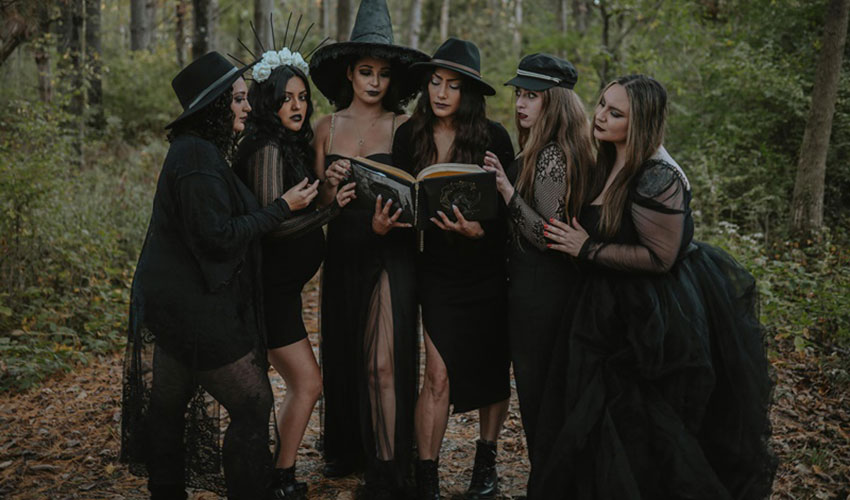
Pagan practices embody this plurality of divinity, which manifests in the reverence for elemental spirits representing Earth, Air, Fire, and Water. We will elaborate on how the engaged practice of magic within Paganism fosters interactions with these spirits and the mystical worlds they inhabit. Rituals play a crucial role in these connections. Whether conducted alone, referred to as solitary practice, or within a community setting known as a coven, Pagan rituals serve as a multifaceted means of celebrating natural cycles, honouring deities, attuning to nature, achieving personal insight, initiating participants into sacred mysteries, and facilitating magical or healing intentions.
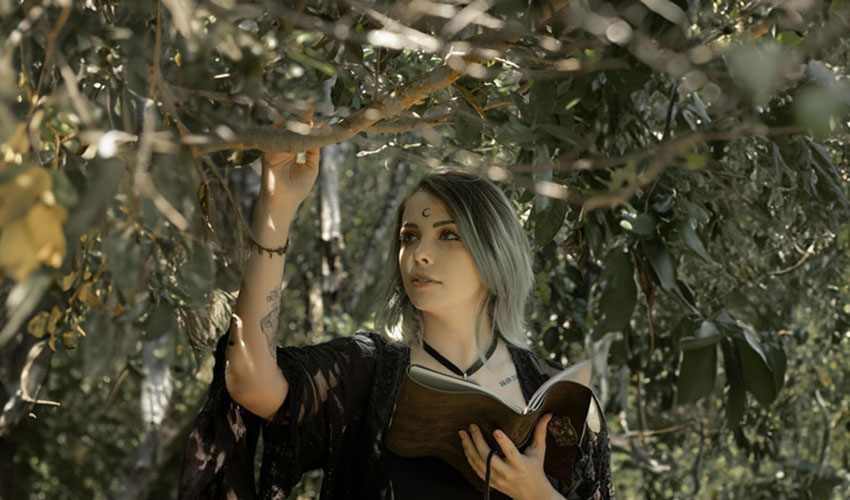
A fundamental aspect of Pagan ritual is the intentional separation from everyday life, represented most vividly by the act of casting a magic circle. Unlike many other religious traditions that rely on fixed places of worship, Pagans create their sacred spaces each time they engage in ritual. This practice, known as “casting the circle,” involves delineating the boundaries of the sacred area using various physical markers, such as salt, stones, or candles, along with the utilisation of magical tools like wands or athames (ritual knives) to delineate and manipulate subtle energies. This act of consecration includes invoking elemental spirits and deities to bless the circle, inviting their presence into this sanctified space. Within this context, we can see how the concept of liminality emerges. These circles serve as thresholds where participants traverse between the mundane and the sacred, entering a world of potentiality and divine influence.
The notion of liminality, derived from the Latin word “limen,” meaning threshold, denotes a space that exists at the intersection of two worlds. This threshold can be literal, such as geographic borders or metaphorical, as seen in altered states of consciousness. Within Paganism, the magic circle creates a boundary between the everyday world and the sacred realm, allowing practitioners to engage with the unseen forces that inhabit this sanctified environment. It is often articulated in introductory texts that this circle exists “between the worlds,” emphasising its nature as a mediator between profane existence and the spheres of supernatural engagement.
The “testing” phase of ritual practice within the sacred circle encapsulates a crucial part of the experience. This stage demands participants’ full concentration and serves to gauge the strength of the circle they have created. Given the varied intent behind individual Pagan rituals, it is challenging to define a singular structure. However, common elements emerge, most rituals emphasise the generation of energy, which is imbued with specific purposes and directed towards intended outcomes. Seasonal Sabbat celebrations, for instance, align closely with specific astronomical or agricultural landmarks. Beltane, celebrated on April 30 in the Northern Hemisphere and October 31 in the Southern Hemisphere, marks the onset of summer, when nature flourishes. Rituals for this occasion often include vibrant representations of fertility and abundance, such as maypole dances and the weaving of floral garlands, culminating in the focused direction of energy toward growth and prosperity.
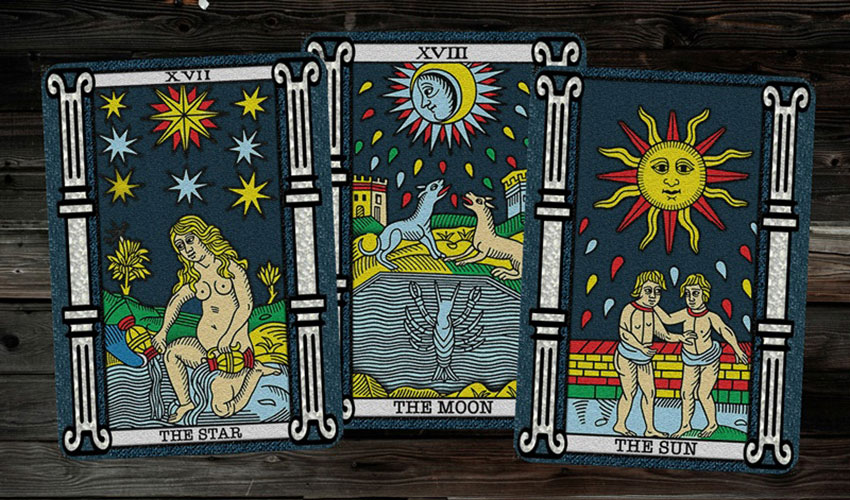
Though some spells may appear simpler, they are equally compelling in their incorporation of metaphoric elements. Candle magic, for example, involves inscribing a candle, often in symbolic colours like pink for love with a desired intention, such as a heart symbol, then burning it as practitioners visualise the desired outcome. The energy that is raised and programmed through this meditative visualisation is believed to be “sent” forth at the moment the candle is extinguished.
Academic interpretations of Pagan ritual often liken it to folk art, with comparisons to theatrical performance stemming from its performative qualities. The integration of props such as ritual wands, candles and incense as well as the staging that occurs in the magic circle contributes to this artistic framework. The “audience” is not only comprised of earthly participants but also includes the divine beings and elemental spirits invoked during the ritual. This dual audience reinforces the immersive experience, enhancing the participant’s sense of connection and involvement within the ritual space. Moreover, these elaborate performances allow practitioners to express their spirituality creatively, drawing on both personal and collective traditions that foster a sense of belonging and shared identity among participants.
The significance of community engagement within Paganism further serves to bolster psychological well-being, particularly in relation to Ryff’s component of positive relationships with others. Many Pagans participate in covens, where people come together with shared beliefs and practices, creating a supportive and nurturing environment. These groups often engage in shared rituals and celebrations, cultivating a sense of community and connection. The bonds formed in these intimate circles contribute to emotional support, increased happiness, and shared meaning-making, reinforcing a network of relationships that enhances the overall personal experience of *eudaimonia.
* Eudaimonia is a concept originating from ancient Greek philosophy that is often translated as “happiness,” “flourishing,” or “well-being.” It is a central idea in the ethical theories of philosophers such as Aristotle, where it refers to the highest good for human beings and the ultimate goal of human life. Aristotle posited that eudaimonia is achieved by living a life of virtue and fulfilling one’s potential through rational activity in accordance with virtue. It involves not just momentary pleasure but a more profound sense of fulfillment that comes from living a life of moral and intellectual excellence, engaging in meaningful relationships, and contributing to society. Eudaimonia differs from hedonic happiness, which is primarily concerned with pleasurable experiences. Instead, it encompasses a broader sense of purpose and completeness in life, emphasising the importance of character, virtue, and the realisation of one’s full potential. In contemporary discussions, the concept is often related to well-being, life satisfaction, and the pursuit of meaningful goals.
In addition, Paganism encourages the autonomy of practitioners, allowing them to explore their spirituality personally and at their own pace. Many Pagans adopt an eclectic approach, drawing from various traditions and practices, which promotes self-discovery and personal growth. This emphasis on individual choice and self-expression resonates powerfully with Ryff’s concept of autonomy, as practitioners become active agents in shaping their spiritual journeys, continually evolving their beliefs and practices.
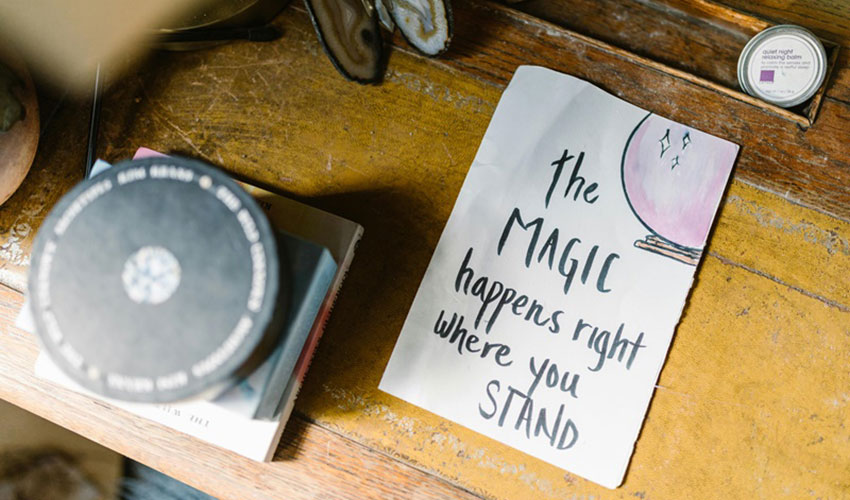
Furthermore, the intrinsic connection to nature found in Pagan beliefs supports environmental mastery, a key component of well-being as posited by Ryff. The focus on ecological practices and the reverence for the Earth encourages people to cultivate a deeper understanding and appreciation for their environment. By engaging in practices such as gardening, foraging, and working with natural cycles, practitioners develop a sense of competency and effectiveness in navigating their physical surroundings. This connection to nature not only promotes mindfulness but also reinforces the idea that practitioners have a role in caring for the Earth, contributing to a collective sense of responsibility for environmental stewardship.
Lastly, a significant aspect of Paganism is the cultivation of a sense of purpose in life, as articulated by Ryff. Many Pagan practitioners find profound meaning in their beliefs and rituals, which often centre on concepts of rebirth, fertility, and interconnectedness. The cyclical structure of the Wheel of the Year, marked by Sabbats and Esbats (lunar observances), reinforces the understanding of life’s rhythms and seasons, encouraging participants to reflect on their place within the greater cosmos. Engaging with these cycles provides a framework for understanding personal transformation and collective identity, reinforcing the belief that one is part of a larger narrative.
In conclusion, the unique aspects of Paganism, through the medium of ritual, community, and connection to nature, provide a rich terrain for exploring psychological well-being. By employing Ryff’s framework of eudaimonia, it becomes evident that the practices and beliefs within Paganism can significantly enhance personal growth, foster positive relationships, promote autonomy, improve environmental mastery, and instill a sense of purpose. As the interest in Paganism continues to expand, further scholarly inquiry into its psychological dimensions will contribute to a deeper understanding of its potential benefits, offering valuable insights into the relationship between spirituality and mental health. Ultimately, embracing the tenets of eudaimonic well-being within Pagan practices paves the way for people to flourish, leading enriched and meaningful lives deeply intertwined with the sacredness of nature and the complexities of the human spirit.
The concluding phase of the tripartite model of ritual, often referred to as the reintegration into society, is a critical culmination of the entire ritualistic experience. This stage emerges as the sacred acts draw to a close, marked by a series of intentional practices designed to channel and ground the heightened energy created during the proceedings. As the ritual reaches its denouement, practitioners embark on the essential task of “grounding” this energy, which serves to anchor them back into the physical world from the transcendent state they’ve accessed.

Grounding energy is typically facilitated through two primary methods. The first approach involves the power of visualisation, where practitioners often envision roots extending from their feet, digging deep into the earth. This mental imagery allows for the excess energy accumulated during the ritual to flow out through these roots, analogous to the way that electrical currents are safely grounded. It serves to reconnect the person with the solidity and stability of the natural world. The second method centres around ritual consumption, often referred to as “cakes and wine.” This sacred act is believed to assist participants in transitioning back to an ordinary state of consciousness. By engaging their senses through the nourishment of blessed food and drink, practitioners bring their awareness back to their bodies and the everyday environment, thus completing the necessary metamorphosis from the sacred back to the mundane.
The dismantling of the sacred circle, a physical manifestation of the ritual space, is structured to mimic the casting process in reverse. This involves expressing gratitude and farewell towards the entities and energies that had been invoked, recognising their contributions to the ritual. Participants visualise the dissolution of the energetic boundaries that had been established, symbolically tearing down the protective barrier that characterised the sacred space. The physical components of the circle, such as candles, tools, and other ritualistic objects, are carefully packed away, signifying the formal conclusion of the ritual and the participants’ return to their everyday lives.
Within the context of these rituals, the state of liminality plays a pivotal role, as it is within this transitional space that practitioners can effectively manipulate energy, a process that is often deemed impossible in a normal state of consciousness. The deliberate creation of liminal experiences facilitates a profound shift in consciousness, transforming perceptions from the ordinary to the extraordinary, from the profane to the sacred, and transitioning from a narrow, limited viewpoint to a broadened, expansive awareness. Researchers who delve into the phenomenology of ritual consistently align this Altered State of Consciousness (ASC) with the concept of the Flow experience. Flow is characterised as an immersive state of total involvement, where one’s actions feel seamlessly integrated with the unfolding experiences and this, too, is a distinctly liminal experience.
The phenomenological similarities between ritual and flow are striking, as many practitioners report transformations in their perceptions of time and space. Participants often describe a dissociation from their usual sense of self, with one witchcraft priest reflecting that, during effective rituals, “my personality steps aside, and someone else takes over.” This loss of self-consciousness is emblematic of the flow state, where awareness and action coalesce, and participants become entirely absorbed in the ritual’s proceedings. As time seems to warp like a fluid dance between past, present, and future, only the significant elements of the rite hold sway, leading to a collective experience of transcendence.
Academic discourse surrounding flow experiences typically adopts one of two perspectives: viewing flow as a transcendent transcendence of boundaries or appreciating it as a marker of quality of life. Given the inherently liminal nature of Pagan rituals, it follows that practitioners’ experiences of flow can be situated within the framework of boundary transcending. However, in this exploration, we intend to argue that these transcendent, liminal experiences encountered within Pagan rituals also correlate with the notion of flow as an enhancement of quality of life, cultivating profound feelings of well-being and personal fulfillment. Through this lens, we can better appreciate not only the mystical and sacred elements of ritual practice but also their tangible impacts on the practitioners’ overall sense of joy and contentment within their lives.
These transformative, ritualistic experiences offer an opportunity to uncover a life imbued with “soul”, one that feels meaningful, dignified, and worthy of respect. This resonates deeply with the concept of Eudaimonia, rooted in Aristotle’s Nicomachean Ethics, which emphasises living in harmony with one’s *daimon, or true self, as the pathway to realising one’s full potential. The eudaimonic perspective thus equates well-being not merely with pleasure, but with the profound journey of self-actualisation and personal fulfillment. Unlike the hedonic approach, which prioritises immediate positive feelings and the absence of distress, eudaimonic well-being engages us in deeper introspection, prompting us to ask not “Are we feeling good?” but “Are we truly living well?” This aligns closely with humanistic theories that champion optimal functioning and genuine human growth.
* Jim Morrison’s final resting place in Père Lachaise Cemetery, Paris, is marked by the name “James Douglas Morrison” along with the years of his life, 1943-1971. The gravestone also features the evocative Greek phrase “KATA TON DAIMONA EAYTOY,” a reflection of his unyielding commitment to his own inner spirit, resonating with the essence of a true artistic soul.
Central to the exploration of Eudaimonia are three pivotal theories, yet I will focus on eudaimonia as Psychological Well-Being (PWB), due to its robust theoretical foundation and its capacity to encompass a wide range of insights from diverse fields, including life-span development, humanistic psychology, existential inquiries, clinical psychology, and utilitarian thought. This comprehensive framework delineates Eudaimonia as comprising six essential dimensions:
- Personal Growth
- Self-Acceptance
- Positive Relationships with Others
- Autonomy
- Environmental Mastery
- Purpose in Life
While the connection between religiosity and spirituality and the experience of eudaimonia has been explored, little attention has been given to Pagan traditions in this context. In the following sections, we will delve into how Pagan practices may foster eudaimonia, reflecting on each of the six dimensions articulately outlined by Ryff.
Personal Growth
When exploring the dimensions of personal well-being, Personal Growth emerges as the foremost pillar, echoing the essence of eudaimonia as articulated by Aristotle. This dimension draws inspiration from humanistic ideals like self-actualisation and the fully functioning person, as well as life-span theories such as Carl Jung’s notion of individuation. According to psychologists Ryff and Singer, personal growth is far from a static achievement; it is a vibrant and dynamic journey, a continuous evolution in which one develops their potential and embraces the process of becoming, rather than simply reaching a fixed endpoint where all challenges vanish. In the world of Paganism, a captivating perspective on transformation is offered by the renowned occultist Aleister Crowley, who famously defined magic as “the Science and Art of causing change to occur in conformity with Will.” Here, “Will” transcends mere desire; it embodies the “True Will,” a concept akin to discovering one’s “true self.” Thus, magic unfolds as both a rigorous study of self-understanding and an art of action based on that understanding, underscoring the pivotal role of personal growth within Pagan practices.
A survey of British Pagans reveals that “personal development” ranks as the second most common motivation for engaging in magical rituals. Remarkably, when participants were asked about the impact of their magical practices, 60% reported experiencing profound changes in their lives. Their transformations often included self-discovery, personal improvement, and heightened awareness. Many expressed that practicing magic notably boosted their self-confidence. Engaging in Pagan rituals is more than a spiritual endeavor; it is a deliberate choice to embark on a journey of personal growth and empowerment.
Stewart Farrar, a respected Wiccan Priest and author, eloquently emphasises that the core intention of magic, regardless of the tradition it stems from, is the “spiritual development of the individual . . . and the expansion of consciousness.” The tangible outcomes of magic, such as successful spells, are often merely by-products of this higher purpose. To elucidate the journey of spiritual development within Paganism, we can utilise the Golden Dawn interpretation of the Sephiroth from the Kabbalistic Tree of Life, illuminating the stages of personal growth that practitioners can aspire to achieve. In this light, personal growth becomes not just a dimension of well-being but a transformative journey toward realising one’s fullest potential.
The highest level, known as “Ipsissimus,” literally means “one’s very self” or “most truly oneself,” embodying the ultimate goal of all Western magical traditions. This stage can be seen as the realization of the self-actualised, fully integrated, or individuated individual. The strong influence of psychotherapeutic theories on personal growth frameworks helps explain the striking parallels between these models and spiritual development in modern Paganism. Rooted deeply in Jungian psychology, many Pagans perceive deities and spiritual entities as archetypal figures, with spiritual growth emerging through ritual engagement with these symbolic forms. By embracing mythology and the unconscious, expressed through powerful archetypal imagery, Pagans seek wholeness and reconnection in a world often marked by alienation and disconnection.
Magic and ritual within Pagan practice serve as profound metaphors for transformation. Each ritual inherently contains elements of introspection and personal change, though some explicitly focus on these aims more than others. For example, two spells performed by covens illustrate this dynamic: one by a 20-year-old woman striving to shed feelings of inferiority and assert her adult identity within her family, and another by an older woman seeking to embrace cronehood and the aging process. In both cases, magical rituals provided a meaningful framework for these women to accept their evolving identities, confront the challenges of aging, and move confidently into the next phase of their lives.
Self-Acceptance
The examples above reveal a common thread: rituals aimed at personal growth often center on self-acceptance. According to Ryff, self-acceptance means embracing a positive view of oneself, including both strengths and flaws. For many women, Pagan practices offer a vital pathway to reject the marginalising narratives imposed by patriarchal society, enabling them to recognise their own value, worth, and power. One Pagan practitioner highlights the significance of body-focused rituals within her all-female group, explaining that these practices inspired a profound appreciation for their bodies, challenging cultural norms and fostered a deep sense of spiritual freedom and empowerment. Paganism’s matrifocal nature provides women with rich, multifaceted role models and a glimpse of their own inherent divinity. This divine connection is often deepened through rituals like “drawing down the Moon,” where a woman invokes the Goddess into herself, sometimes reciting the Charge of the Goddess, a sacred poem promising love and guidance or sharing revelations received during the ritual. In these moments, the practitioner becomes a living embodiment of the Goddess.
Central to the transformative power of Pagan ritual is the acceptance of both light and shadow within the self, a process that fuels personal growth. A well-known Pagan shares insights from “Faunalia,” a pseudonymous festival, describing two rites: the Underworld rite, which confronts themes of death, decay, pain, and vulnerability; and the Baphomet rite, which explores sexuality, transgression, and otherness. These rituals delve into subjects often taboo in Western culture but are essential for cultivating wholeness and integrity.
Through such ceremonies and through Paganism’s sacred embrace of the body and sexuality, participants confront and integrate parts of themselves they may have once rejected or repressed. This journey toward wholeness fosters profound self-acceptance. Indeed, those who shy away from confronting the darker, more serious dimensions of Paganism such as moral responsibility and the acknowledgment of nature’s shadow, are often labeled “Fluffy Bunnies,” deemed inauthentic practitioners. This underscores that embracing the full spectrum of human experience is fundamental to genuine Pagan practice.

Positive Relations With Others
The next of Ryff’s six dimensions to explore is positive relations with others, a cornerstone of well-being characterised by affectionate, empathetic, intimate, and trusting connections that embrace mutual reciprocity. Within Paganism, these qualities resonate deeply, reflecting core values of tolerance and equity. The coven serves as a vibrant space where such values are lived and relationships flourished.
Pagan author Starhawk eloquently describes the coven as “a Witches’ support group, consciousness raising group, psychic study center, clergy-training program, college of Mysteries, surrogate clan, and religious congregation all rolled into one.” Coven meetings typically open with a “check-in session,” where members share their weekly experiences, emotions, and spiritual insights. This practice nurtures interpersonal skills essential for group harmony and fosters growing intimacy as personal disclosures deepen over time. A designated facilitator guides the group to ensure balanced participation, preventing any individual from dominating discussions or decisions.
Rituals conclude with communal food and drink, not only to “ground” participants by transitioning them from heightened magical states back to everyday awareness but also to strengthen bonds through shared social time. Farewells often include hugs and kisses, breaking down barriers and reinforcing connection. The profound impact of these practices is evident as members frequently describe their coven as “family.” This sense of kinship is demonstrated tangibly; for example, when a member fell ill and was hospitalised, the coven rallied with healing spells and practical help such as transportation, meal preparation, and household chores. Echoing many Wiccan groups, the Circle of Light coven embraces the ethos of “perfect love and perfect trust,” striving to offer a sanctuary of safety, care, learning, and spiritual practice.
It would be unrealistic to deny that discord arises within the Pagan community. Like any group, interpersonal conflicts occur and sometimes lead to coven dissolution or members’ departure. Coven life can be fluid and transient, with people forming breakaway groups or ending their affiliation after months or years. Nonetheless, this dynamic does not diminish the significance of the relationships forged. Many bonds endure beyond the lifespan of the coven, and even those that dissolve remain meaningful to those involved.
While many Pagans identify as solitary practitioners, this does not equate to isolation from community or positive relationships. Numerous organisations such as the Pagan Federation and the UK Pagan Council, offer networking opportunities, alongside vibrant online platforms where Pagans share stories and discuss their beliefs. This blend of physical and virtual engagement exemplifies “networked individualism,” a phenomenon shifting community ties from strictly geographic to expansive, interest-based connections. This evolution creates rich “communities of practice” that cultivate a strong sense of Pagan identity and belonging across diverse contexts.
Autonomy
One key factor that sets Pagan religious communities apart from more traditional faiths is their distinctive balance between connection and personal autonomy. Autonomy, a fundamental dimension of personal well-being, is deeply embedded in Pagan practice. It draws on diverse psychological and philosophical frameworks: from the concept of the fully functioning person with an internal locus of evaluation, to Jung’s idea of Individuation as freedom from tradition, to the characterisation of self-actualisers as resistant to enculturation.
For many Pagans, autonomy means the freedom to shape their spiritual path without strict adherence to prescribed rituals or intermediary clergy. The presence of spiritual authorities, such as priests or gurus, is often seen as diluting the direct, personal experience of the divine. This emphasis reflects the theory of human agency, which distinguishes between personal agency, the capacity for individual choice and action and proxy agency, where one delegates authority to more knowledgeable figures. Clergy act as proxy agents in many religions, guiding followers based on their expertise and institutional authority. People often rely on proxy agents because exercising personal agency demands skill, responsibility, and accountability, which can be daunting.
Pagans, however, reject proxy agency in favour of personal spiritual agency. This means they take full responsibility for their spiritual education and practices, roles traditionally fulfilled by clergy in other religions. Many Pagans embark on their spiritual journeys independently, learning through direct experience rather than relying on external authority. This autonomy extends to ethics as well: Pagans uphold a self-directed morality where individuals alone are accountable for their actions and their consequences. Unlike religions offering absolution, Pagan ethical responsibility is rooted in personal accountability, arguably making it more autonomous.
This strong focus on autonomy highlights Paganism’s character as a distinctly modern religion, shaped by Western values of individualism, reflexivity, and self-focus. Ryff describes autonomy as “undoubtedly the most Western” of well-being dimensions. Research into alternative spiritualities including world religions, New Age movements, Neo-Paganism, and occult practices, confirms that these paths are defined by their rejection of dogma and their embrace of individual self-autonomy. Interviewees across these traditions emphasised that while books can inform, direct experience is the foundation of their beliefs, leading them to often reject spiritual authorities.

This prioritisation of autonomy is consistently observed in studies of Pagan communities. For example, research on American Neo-Pagans found a widespread mistrust of religious or spiritual authorities, concluding that the desire for autonomy was a major motivation for engaging in magical practices. In sum, Paganism’s distinctive identity is rooted in the empowering principle that each individual is the ultimate architect and custodian of their spiritual journey.
Environmental Mastery
While autonomy centres on self-determination, independence, and internal regulation of behaviour, environmental mastery extends this concept outward, focusing on control over the external world. It embodies a confident competence in navigating and managing one’s surroundings, skillfully handling complex external demands, leveraging opportunities, and shaping or selecting environments that align with personal values and needs.
In Paganism, environmental mastery closely intertwines with autonomy, particularly in how practitioners shape their spiritual environments according to their individual preferences rather than adhering to rigid, prescribed rituals. This is especially apparent in the crafting of ritual practices, where the emphasis lies on working in ways that feel authentic and meaningful to each practitioner. Such freedom fosters a deeply personal and effective spiritual experience, often evoking a liminal state conducive to flow.
Rituals aimed at external outcomes such as spells, offer a clear example of how Pagan practice cultivates environmental mastery. These spells, commonly designed for healing or to secure personal, social, or situational benefits like finding a job or a new home, serve as tools through which practitioners assert influence over their lives. Beliefs about how spells function vary: some see them as psychological catalysts altering consciousness, while others view them as mechanisms that manipulate energies to enact real-world changes. Regardless of interpretation, the shared conviction in their efficacy empowers practitioners with a tangible sense of control over their circumstances and those they seek to help.
Purpose in Life
The final dimension to explore is purpose in life. Ryff defines purpose as the conviction that life holds meaning, which inspires goal-setting and a sense of direction. This meaning encompasses both cognitive and motivational elements: the cognitive relates to how people understand the world around them, while the motivational involves their commitment to personally meaningful goals. Pagan practice most clearly nurtures this cognitive aspect of purpose, which in turn fuels motivation. Goals are most fulfilling when they naturally emerge from one’s unique worldview, demonstrating how the broader cognitive understanding of life shapes and energises purposeful action.
Extensive research links religiosity and spirituality with positive mental health, largely because these beliefs imbue life with meaning. Spirituality, alone or combined with religiosity, strongly correlates with a heightened sense of life’s meaning. In fact, over 90% of the connection between spirituality/religiosity and well-being can be explained by meaning acting as a mediator.

Central to Pagan cosmology is the “Wheel of the Year,” a powerful metaphor for the cyclical nature of death and rebirth reflected in the changing seasons. Comprising eight Sabbats, four aligned with solstices and equinoxes and four set on fixed dates. The Wheel structures the year and provides practitioners with a tangible sense of order and purpose. Rich metaphors, such as the tales of Demeter and Persephone or the Oak King and Holly King, reinforce this rhythm. The most familiar myth portrays the Earth as a Goddess and plant life as a God, born at Yule, united at Beltane, reaching his zenith at the summer solstice, dying at Samhain, and then reborn again. These seasonal cycles mirror human experiences, growth, decline, birth and death, reminding practitioners that change is natural and to be embraced.
This cyclical worldview extends to the Goddess’s triple form, maiden, mother and crone, reflecting lunar phases and the stages of womanhood. Rituals marking menarche and menopause underscore these transitions. By celebrating seasonal Sabbats and lunar cycles, Pagans affirm the cyclical flow of time, imbuing life and experience with structure and meaning. Like other spiritual traditions, Paganism offers a profound sense of purpose that transforms life’s challenges into meaningful experiences, fostering resilience and tolerance. Finding meaning is fundamental to coping and adjustment, and religion plays a vital role by helping individuals process negative emotions and solve problems during hardship. Pagan magical practices, especially, can empower survivors of trauma and abuse. These practices encourage deep self-knowledge and invite practitioners to confront and integrate their “dark” experiences. In Pagan belief, true power arises from facing inner demons, this journey tests and strengthens resilience and willpower, ultimately fostering healing and growth.
Final Words
This article examines Pagan practices through the lenses of Flow, Liminality, and Eudaimonia to reveal how embracing Paganism can enhance well-being. We argue that the inherently liminal and flow-inducing nature of Pagan rituals offers a powerful pathway to eudaimonia by nurturing all six of Ryff’s dimensions of psychological well-being. Rituals serve as vital tools for personal development, helping practitioners navigate significant life transitions. By engaging with archetypal figures, Pagans explore hidden facets of themselves, fostering profound personal growth. Through honoring the feminine divine, sacralizing the body and sexuality, and embracing the shadow aspects of human nature, Paganism challenges restrictive societal norms and promotes deep self-acceptance, especially among marginalised people.
Pagan communities skillfully balance independence with fellowship. Covens provide intimate, congregational experiences embedded within a broader, supportive network, cultivating positive social connections. The liminal, flow states achieved during rituals generate a powerful sense of communitas, reinforcing participants’ sense of belonging, even solitary practitioners gain a heightened feeling of interconnectedness. Autonomy lies at the heart of Paganism, reflected in its absence of clergy and emphasis on self-directed morality. This self-determination empowers practitioners to shape their spiritual journeys, tailoring rituals to their unique needs. Many Pagans also experience environmental mastery by practicing magic, which reframes trauma as a meaningful test of will, enabling resilience and coping.

Rooted in natural cycles, Pagan cosmology uses seasonal and life rituals to affirm an ordered universe, imbuing practitioners’ lives with purpose and meaning. Given these compelling parallels, we contend that modern Pagan beliefs and practices offer valuable insights into the mechanisms of flow and the facilitation of personal and social growth. We advocate for further, in-depth research into this often-overlooked religious community, anticipating rich discoveries ahead.
Are you a practitioner of Paganism? I would truly appreciate hearing about your personal trip and experiences within this rich and diverse spiritual path. Exploring the beliefs and traditions of Paganism fascinates me, and I’m genuinely eager to learn more from someone who lives it firsthand. Your insights would mean a great deal as I continue to deepen my understanding.
“I’ve found a more personal, pagan kind of religion to satisfy the spiritual side of things.” – Julian Clary