Have you ever come across the intriguing concept of Herbal Alchemy? This captivating subject weaves together the rich traditions of ancient herbal lore with the mystical arts of magic and alchemy, revealing a profound connection that has endured since the earliest days of human civilisation. For millennia, cultures across the globe have not only valued herbs for their tangible medicinal and nutritional benefits but have also revered them for their deep metaphysical and spiritual significance.
Herbs have long stood at the crossroads of science, spirituality, and magic, serving as vital tools in numerous healing and ritualistic practices. From the sacred temples of ancient Egypt to the classical wisdom of the Greeks and beyond, these plants were believed to possess unique energies capable of bridging the physical world with unseen spiritual dimensions. They were seen as conduits for transformation, capable of enhancing health, invoking protection, and facilitating profound mystical experiences.
In this comprehensive exploration, we will have a closer look at the fascinating history of herbs within the realms of magic and alchemy. We will uncover how ancient civilisations identified and categorised these potent plants, how they incorporated them into complex alchemical formulas and magical rites, and the enduring legacy of these practices in modern spiritual and holistic traditions. Additionally, we will highlight some of the most revered herbs, such as sage, mandrake, mugwort and their specific roles in ancient and contemporary magical alchemy.
Ultimately, understanding Herbal Alchemy opens a window into the timeless human quest to harmonise with nature, harness unseen forces, and heal both body and soul. This trip through the mystical properties of herbs offers not only a glimpse into our ancestors’ wisdom but also inspiration for those seeking to reconnect with the natural and spiritual world today.
The Timeless Wisdom of Ancient Civilisations- Exploring Their Profound Herbal Traditions
Throughout history, ancient civilisations have harnessed the remarkable power of herbs, weaving botanical knowledge deeply into their spiritual, medicinal, and cultural practices. These time-honoured traditions reveal a sophisticated understanding of nature’s healing potential, blending physical health with metaphysical beliefs.
Egyptians – Sacred Herbs in Ritual & Afterlife
The ancient Egyptians revered herbs as sacred tools integral to their religious ceremonies and funerary customs. They prized aromatic substances like myrrh and frankincense, which were carefully burned during rituals to invoke divine presence and facilitate communication with the gods. These herbs were believed to possess purifying qualities that could protect the soul on its journey to the afterlife, reflecting a profound synergy between spirituality and natural remedies.
Greeks – Divine Gifts for Healing & Harmony
In ancient Greece, herbs were considered divine endowments from the gods, essential for maintaining both physical health and spiritual harmony. Hippocrates, the pioneering figure of Western medicine, championed the use of herbal remedies as foundational to healing practices. His holistic approach emphasised the interconnectedness of body and spirit, promoting herbs not merely as treatments but as vital elements in achieving overall well-being.

Chinese Tradition – Balancing Energy Through Herbal Wisdom
Traditional Chinese Medicine (TCM) embodies a holistic philosophy where herbs play a crucial role beyond curing disease. They are instrumental in cultivating spiritual growth and restoring balance within the body’s vital energies, or Qi. Ancient Chinese herbalists developed complex formulations designed to harmonise yin and yang, supporting not only physical vitality but also mental clarity and emotional equilibrium.
Indigenous Cultures – Bridging Worlds with Sacred Plants
Across diverse indigenous cultures worldwide, herbs have long been central to shamanic and spiritual practices. These communities hold deep reverence for certain plants, believing they serve as conduits between the physical realm and the spiritual world. Through ritualistic use, such herbs are thought to facilitate visions, healing, and communication with ancestral spirits, underscoring a profound relationship between humanity, nature, and the cosmos.
Together, these ancient herbal traditions offer timeless insights into the power of plants as agents of healing, spiritual connection and cultural identity, reminding us of the enduring legacy nature holds in shaping human civilisation.
Herbs in Magic Practices
Magic practices often involve the use of herbs to enhance rituals, spells, and potions. The belief is that herbs carry specific energies and properties that can aid practitioners in manifesting their intentions.
The Power of Herbs in Magical Rituals – Unlocking Nature’s Mystical Energies
Throughout history, herbs have played a vital role in magical practices, serving as potent tools to amplify the effectiveness of rituals, spells, and potions. Rooted in ancient traditions and spiritual beliefs, these natural elements carry unique energies and symbolic meanings that practitioners harness to align with their intentions and manifest desired outcomes. Whether used for protection, healing, or attraction, herbs offer a bridge between the physical and the mystical world, enriching magical work with their vibrant essence.
Essential Herbs & Their Magical Properties
- Sage: Revered for its powerful purifying qualities, sage is commonly burned as incense to cleanse spaces of negative energy and invite clarity and spiritual insight. Its smoke is believed to dispel darkness and restore balance, making it a cornerstone in many cleansing rituals.
- Rosemary: Symbolising protection and remembrance, rosemary is often incorporated into magic aimed at safeguarding against harm and enhancing mental clarity. Its invigorating scent supports memory retention and wards off malevolent forces, making it a favoured herb in protective charms and spells.
- Lavender: With its soothing fragrance, lavender is indispensable for rituals centered on love, peace, and emotional healing. This gentle herb fosters calmness and harmony, creating an atmosphere conducive to restful meditation and the nurturing of affectionate bonds.
- Basil: Celebrated for attracting abundance, basil is a powerful ally in spells devoted to prosperity and success. Its vibrant energy is thought to draw wealth, good fortune, and positive opportunities, making it a staple in rituals focused on financial growth and personal empowerment.
- Thyme: Known for its courage-enhancing properties, thyme is used in spells and rituals to boost confidence and strength. It is also valued for its cleansing abilities and is believed to promote healing and purification of the mind and body.
- Mint: With its refreshing aroma, mint is associated with prosperity, protection, and healing. It is commonly used in rituals to attract money, enhance mental clarity, and shield against negative influences.
- Chamomile: Renowned for its calming and soothing qualities, chamomile is often used in rituals aimed at promoting relaxation, sleep, and emotional balance. It also encourages attracting love and good luck.
- Peppermint: A vibrant herb linked to healing and vitality, peppermint is used to invigorate the spirit and clear mental fog. It is also believed to attract positive energy and assist in overcoming obstacles.
- Marjoram: Traditionally used for happiness and peace, marjoram is incorporated in spells to soothe emotional pain, foster harmony, and invite joy into one’s life.
- Dill: Associated with protection and exorcism, dill is used in rituals to ward off evil spirits and negativity. It is also linked to increasing courage and strength.
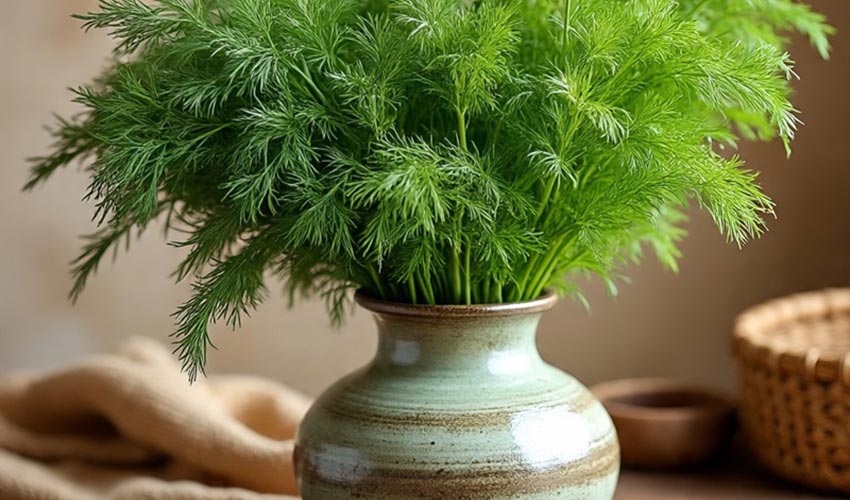
Harnessing the magic of herbs invites practitioners to connect deeply with nature’s wisdom, empowering them to shape their realities with intention and grace. Through mindful use of these botanical allies, magical workings become enriched with the timeless energies of the earth.
Comprehensive Techniques for Magical Practice
Herbs have long been revered in magical traditions for their potent energies and versatile applications. By understanding and employing various methods of using herbs, practitioners can amplify their spiritual work, manifest their intentions, and deepen their connection to natural forces. Below are some of the most effective techniques for integrating herbs into your magical practice:
Incense Burning for Spiritual Cleansing & Intention Setting: One of the most accessible and ancient methods involves burning dried herbs as incense. The fragrant smoke acts as a purifying agent, clearing stagnant or negative energies from a space while simultaneously infusing the environment with your desired intentions. Whether it’s sage for protection, lavender for peace, or rosemary for clarity, the rising smoke carries your prayers and intentions to the spiritual world, creating a sacred atmosphere conducive to meditation, ritual, or *spellwork.
* Spellwork is the ancient and intricate art of harnessing magical energies through the deliberate casting of spells. It involves a diverse range of techniques and ceremonial practices designed to influence the course of events, bring desires into reality, or manifest particular outcomes by channeling supernatural forces. At its core, spellwork is a focused and intentional process, often requiring the careful selection and combination of specific ingredients such as herbs, crystals, or symbolic objects, each chosen for their unique energetic properties. Practitioners of spellwork meticulously craft their spells with attention to detail, weaving together symbols, words of power, and precise intentions to amplify the spell’s effect. This process is typically embedded within ritual contexts, where the practitioner cultivates a heightened state of concentration and channels focused energy to activate the spell’s potential. Whether conducted quietly in solitude or as part of a communal ceremony, spellwork demands a deep understanding of correspondences, timing, and personal intention, making it both a science and an art of magical transformation. Ultimately, spellwork serves as a bridge between the practitioner’s inner will and the unseen forces that shape reality, offering a powerful means to tackle life’s challenges, manifest goals, and engage with the mystical dimensions of existence.
Herbal Infusions – Crafting Intentional Teas & Tinctures: Beyond their physical benefits, herbal infusions serve as powerful magical tools when prepared with focused intention. Brewing teas or tinctures from specific herbs allows you to ingest their mystical properties, aligning your physical body with your spiritual goals. For example, chamomile tea can enhance tranquillity and promote restful sleep, while a tincture of mugwort might stimulate prophetic dreams and psychic awareness. Infusing your preparations with deliberate thoughts or chants further magnifying their energetic impact, making each sip a meaningful part of your magical practice.
Amulets & Charms – Carrying the Power of Herbs On-the-Go: Another potent technique is to create herbal talismans by placing select dried herbs into small pouches or sachets to carry with you. These amulets act as personal energy magnets, offering protection, attracting love, luck, or prosperity depending on the herb’s inherent properties. For instance, carrying a pouch of basil may invite abundance, while a sachet of thyme can provide courage and strength in challenging situations. The tactile presence of these charms serves as a constant reminder of your intentions and reinforces your energetic boundaries throughout the day.
By weaving these diverse herbal techniques into your magical practice, you harness the natural world’s wisdom and power, enriching your spiritual journey with fragrant smoke, potent elixirs, and protective charms. Each method offers a unique way to connect with and amplify the enchanting energies of herbs, making them indispensable allies in your quest for transformation and manifestation.
The Mystical Art of Alchemy & the Profound Transformation of Healing Herbs
Alchemy, widely regarded as the ancient forerunner of modern chemistry, is much more than a historical curiosity as it represents a profound fusion of science, spirituality, and magic. Rooted in a quest to unlock nature’s deepest secrets, alchemists sought not only to transmute base metals into gold but also to harness the transformative power hidden within the natural world, especially the potent and enigmatic properties of herbs. This pursuit bridged the material and the metaphysical, revealing how plants could serve as catalysts for both physical healing and spiritual awakening.
At its essence, alchemy embodies the concept of transformation, not simply as a physical alteration but as a holistic process that affects mind, body and soul. Alchemists believed that herbs were living vessels of nature’s wisdom, capable of facilitating profound change. Through meticulous processes such as distillation, extraction, and infusion, they crafted potent elixirs designed to heal ailments, purify the spirit, and guide practitioners toward enlightenment. This sacred alchemical work reflected a larger philosophical vision: the transformation of the self in harmony with the natural world.
Legendary Herbs & Their Magical Roles in Alchemical Traditions
Herbs held a central place in alchemical lore, each with unique symbolic and practical significance:
- Mandrake (Mandragora officinarum) – Shrouded in myth and magical folklore, mandrake was believed to bridge the physical and spiritual worlds. Its root, often resembling the human form, was thought to unlock hidden knowledge and grant the power to communicate with supernatural forces.
- Wormwood (Artemisia absinthium) – Known for its intensely bitter flavour, wormwood was prized for inducing visionary states and enhancing psychic awareness. It was a critical ingredient in many alchemical tinctures and elixirs aimed at expanding consciousness.
- Althaea (Marshmallow Root) – Valued for its soothing and restorative qualities, althaea was used to calm the body and mind, fostering an inner space conducive to healing, reflection, and spiritual growth.
Mastering the Art of Herbal Preparation & Preservation
To truly harness the power of herbs, alchemists developed sophisticated techniques for their careful collection and preservation, understanding that the vitality of these plants depended heavily on timing, environment, and method.
Harvesting with Intent
- Timing: The lunar phases were believed to influence an herb’s potency profoundly. Harvesting during the waxing moon was thought to maximise growth energy and medicinal power.
- Location: Collecting herbs from pristine, undisturbed natural habitats was paramount, as these environments imbued the plants with pure, vibrant energies essential for effective healing and magical work.
Ensuring Longevity through Preservation
- Drying: Proper drying techniques, hanging herbs in cool, dark, and well-ventilated spaces preserved their essential oils and active properties, allowing their magic and medicine to endure.
- Infusions & Tinctures: By steeping herbs in alcohol or vinegar, alchemists extracted and concentrated their healing essences, creating potent remedies and magical preparations that could be stored and used over time.
Creating Popular Tinctures
Here are five popular herbal tincture recipes, along with basic instructions for making them. Herbal tinctures are typically made by soaking herbs in alcohol to extract their medicinal properties.
Echinacea Tincture (Immune Support)
Ingredients:
- Fresh or dried echinacea root or aerial parts.
- 80-100 proof vodka or brandy (or another high-proof alcohol).
Instructions:
- Chop the herb finely.
- Fill a glass jar about halfway with the herb.
- Pour alcohol over the herb until the jar is full.
- Seal tightly and store in a cool, dark place for 4-6 weeks, shaking daily.
- Strain through cheesecloth or a fine strainer into a dark glass bottle.
Valerian Root Tincture (Sleep Aid)
Ingredients:
- Dried valerian root.
- 80-100 proof vodka or brandy.
Instructions:
- Place dried valerian root in a jar, filling it halfway.
- Add alcohol to cover the root completely.
- Seal and store in a dark place for 4-6 weeks, shaking daily.
- Strain & bottle.
Ginger Tincture (Digestive Aid)
Ingredients
- Fresh ginger root, peeled & chopped.
- 80-100 proof vodka or brandy.
Instructions
- Fill the jar halfway with chopped fresh ginger.
- Cover with alcohol.
- Seal and let sit for 2-4 weeks, shaking regularly.
- Strain & bottle.
St. John’s Wort Tincture (Mood Support)
Ingredients
- Fresh or dried St. John’s Wort flowers and leaves.
- 80-100 proof vodka or brandy.
Instructions:
- Fill a jar halfway with the herb.
- Add alcohol to cover.
- Seal and store in a dark place for 4-6 weeks, shaking daily.
- Strain & store in a dark bottle.
Lavender Tincture (Calming)
Ingredients
- Dried lavender flowers.
- 80-100 proof vodka or brandy.
Instructions
- Fill a jar halfway with dried lavender.
- Cover with alcohol.
- Seal and let infuse for 4-6 weeks, shaking daily.
- Strain & bottle.
General Tips
Use clean, sterilised jars and dark glass bottles for storage.
Label your tinctures with the herb name and date made.
Dosage for tinctures varies, but typically 1-2 ml (20-40 drops) 2-3 times daily is common; consult a healthcare practitioner for specific uses.
Alcohol-Free Tincture Recipes
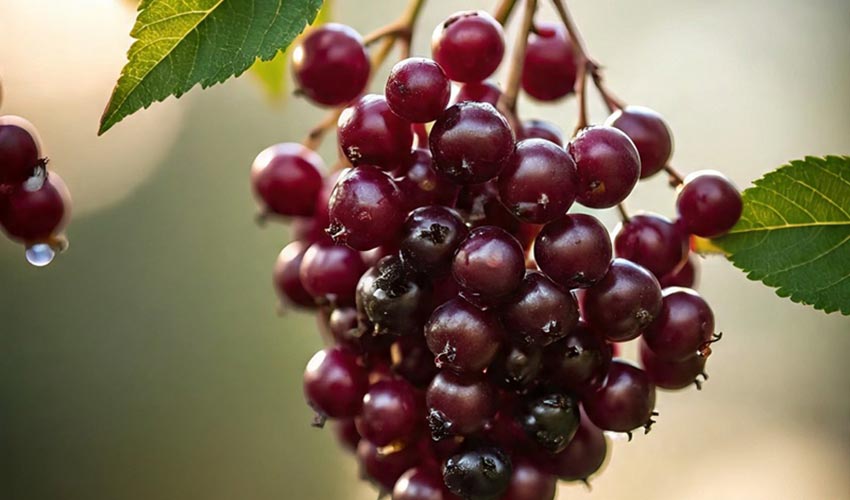
Elderberry Glycerite (Immune Support)
Ingredients
- Dried elderberries.
- Food-grade vegetable glycerin.
- Filtered water.
Instructions
- Mix 60% glycerin and 40% filtered water to create the solvent.
- Fill a jar halfway with dried elderberries.
- Pour the glycerin-water mixture over the berries until fully covered.
- Seal tightly & keep in a cool, dark place for 4-6 weeks, shaking daily.
- Strain & store in a dark glass bottle.
Chamomile Glycerite (Calming, Digestive Aid)
Ingredients
- Dried chamomile flowers.
- Vegetable glycerin.
- Filtered water.
Instructions
- Prepare a 60:40 glycerin to water mixture.
- Fill a jar halfway with dried chamomile flowers.
- Cover with the glycerin-water mix.
- Seal and let infuse for 4-6 weeks in a dark place, shaking daily.
- Strain and bottle.
Lemon Balm Vinegar Tincture (Mood and Digestion)
Ingredients
- Fresh or dried lemon balm leaves
- Apple Cider Vinegar (with the “mother”)
Instructions
- Fill a jar halfway with lemon balm leaves.
- Pour apple cider vinegar over the herb until fully covered.
- Seal & store in a dark place for 3-4 weeks, shaking daily.
- Strain & store in a glass bottle.
Ginger Vinegar Tincture (Digestive Aid)
Ingredients
- Fresh ginger root, peeled & chopped.
- Apple cider vinegar.
Instructions
- Fill a jar halfway with chopped ginger.
- Cover with apple cider vinegar.
- Seal & infuse for 3-4 weeks, shaking daily.
- Strain & bottle.
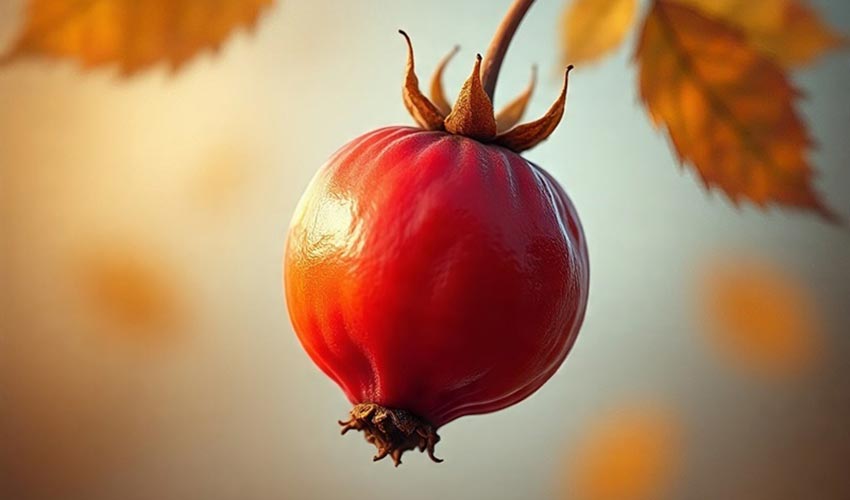
Rosehip Vinegar Tincture (Vitamin C Boost)
Ingredients
- Dried or fresh rosehips.
- Apple cider vinegar.
Instructions
- Fill a jar halfway with rosehips.
- Pour apple cider vinegar over until covered.
- Seal & store in a dark place for 3-4 weeks, shaking daily.
- Strain & bottle.
Notes:
Use food-grade vegetable glycerin and Raw Apple Cider Vinegar with the “Mother” for best results. Glycerites are sweeter and more palatable, while vinegar tinctures have a tart taste. Store all tinctures in dark glass bottles away from heat and light.
Typical dosage is similar to alcohol tinctures but consult a healthcare practitioner for specifics.
Conclusion
The ancient wisdom surrounding herbs in alchemy is far from obsolete as it continues to inspire contemporary herbalists, healers, and spiritual seekers worldwide. These time-honoured practices illuminate the profound interconnectedness of nature, health, and the human spirit, offering enduring lessons on transformation and balance. Today’s renewed interest in herbalism and natural remedies reflects a deepening respect for these ancestral traditions. Whether you are drawn to explore herbal magic, deepen your spiritual journey, or simply appreciate the rich history of botanical healing, the world of alchemical herbs invites you to rediscover a treasure trove of knowledge, where science meets spirit, and nature’s mysteries come alive. Appreciating this heritage not only honours those who came before us but also empowers us to unlock the transformative potential of the natural world around us.
If you choose to craft any of the tinctures we’ve discussed, we’d love to hear about your experience! Did they work for you? Also, if you have a tried-and-true tincture recipe of your own, don’t hesitate to share it with us, we’ll be excited to include it in our collection!
“I have found that if I tend to a person’s illness rather than to the person, I am going to treat that person as if they are their illness. In doing so, I run the risk of limiting them greatly and helping them to focus in on their illness as if that is all they are. It is so important to see and help a person and not just a condition. Everyone is different, with unique twists and challenges, so the same herbs are not applied for the same ‘condition.’ The herbs chosen are connected to the whole person including their illness, their constitution, their diet, their psychology, their history, their tastes, their lifestyle, and their joys and sorrows. I always try to set a person up to succeed, and take their preferences, abilities, stamina, and financial resources into account when helping choose their plant medicines.”– Robin Rose Bennett