
Imagine reaching the remarkable milestone of a century, vibrant and full of life. Who wouldn’t want to celebrate their 100th birthday in good health, surrounded by loved ones and cherished memories? Today, we’re going to explore the fascinating world of longevity, a subject that holds the potential to transform not only your life but also the way you approach ageing.
Imagine reaching the remarkable milestone of a century, vibrant and full of life. Who wouldn’t want to celebrate their 100th birthday in good health, surrounded by loved ones and cherished memories? Today, we’re going to explore the fascinating world of longevity, a subject that holds the potential to transform not only your life but also the way you approach ageing.
As we journey through this intricate topic, we’ll uncover valuable insights and practical strategies that could empower you to embrace the golden years with joy and vitality. In this comprehensive exploration, we’ll examine the secrets to a long and fulfilling life. By the end of this enlightening read, you might just discover the keys to not only living longer but thriving well into your advanced years. Who knows? You might find the inspiration you need to embark on your path to a joyous and fulfilling life well beyond the typical lifespan.

Do Optimists Truly Enjoy Longer Lives? Insights from Research
If you find it challenging to maintain an optimistic outlook, there are effective strategies you can embrace to enhance your capacity for positivity. Research has revealed that optimism is not a fixed trait; rather, it can evolve over time and can be nurtured through engaging in specific, straightforward practices. One particularly powerful technique involves envisioning your “best possible self.” This exercise encourages you to visualise and write about an ideal future version of yourself, one who has successfully reached your goals. Studies have shown that this practice can lead to a significant boost in optimism, even if only temporarily. However, for this method to yield the most beneficial results, it’s essential that your goals are not only uplifting but also realistic, steering clear of mere daydreaming.
In addition, reflecting on positive future events can provide a substantial lift in your outlook. It’s vital to balance your expectations for success with a clear understanding of the aspects of life you can influence and those you cannot. When we encounter outcomes that align with our hopeful expectations, our sense of optimism is bolstered; conversely, a mismatch can dampen our spirits. While further research is necessary, there is a compelling possibility that regularly visualising yourself achieving your best outcomes, along with taking practical steps toward those goals, can foster a more optimistic mindset. For those who naturally lean towards pessimism, adopting an optimistic perspective might feel like an uphill battle. However, one of the most effective ways to enhance your overall well-being, and perhaps even extend your lifespan, is to commit to a healthy lifestyle. Engaging in regular physical activity, maintaining a balanced diet, managing stress effectively, and ensuring you get adequate sleep are crucial components. When you couple these healthy habits with the development of a more positive mindset, you not only improve your quality of life but may also bolster your longevity.
Intriguingly, studies suggest that the benefits of optimism remain significant even when accounting for various other factors that affect lifespan, such as education, socioeconomic status, ethnicity and the existence of chronic health issues or depression. It’s important to note, however, that much of this research has primarily focused on women, leaving us to ponder whether similar benefits would hold true for men. In a world fraught with uncertainty and adversity, adopting an optimistic outlook can enrich your everyday experiences while potentially paving the way for a longer, healthier life. The next time you find yourself grappling with life’s inevitable challenges, remember that maintaining a hopeful perspective could be one of your most powerful allies for overall well-being and longevity. Moreover, additional studies encompassing both genders have shown that people with the highest levels of optimism tend to live 11% to 15% longer than those who harbour a more negative outlook. This compelling evidence suggests that optimism isn’t just a nice-to-have; it’s a vital component of a flourishing, enduring life.

The Elixir of Life
Why do optimists tend to enjoy longer lives? At first glance, it may appear that this trend is largely attributed to their healthier way of living. Numerous studies have consistently shown a strong correlation between optimism and positive lifestyle choices. For instance, persons with an optimistic outlook are more likely to consume a nutritious diet, engage in regular physical activity, and refrain from smoking. Such healthy habits are universally recognised as vital for promoting cardiovascular health, significantly reducing the risk of heart disease, one of the leading global health threats. Moreover, embracing a wholesome lifestyle also plays a pivotal role in warding off other serious illnesses, such as diabetes and cancer. However, research indicates that lifestyle factors only account for about 24% of the connection between optimism and longevity. This finding implies that a host of additional variables contribute to the extended lifespan of optimists.
One intriguing possibility lies in the way optimists handle stress. Unlike pessimists, who may retreat in the face of challenges, optimists confront stressful situations with resilience. They employ constructive coping mechanisms that enable them to tackle the root causes of their stress or reframe their circumstances in a less intimidating light. For instance, optimists are more likely to devise practical solutions, seek support from others, or identify a “silver lining” amidst adversity. These strategies are well-established techniques for alleviating stress and mitigating the adverse physiological effects associated with it. The biological reactions to stress, including elevated cortisol levels (often referred to as the “stress hormone”), increased heart rates and compromised immune function, can have catastrophic long-term effects on health, elevating the risk of serious health problems like cardiovascular disease. Thus, the proactive way in which optimists manage stress may serve as a protective buffer against its detrimental consequences.
Five Revolutionary Approaches to Extending Life
In a world where the quest for a long and fulfilling life has become universal, recent advancements in our understanding of ageing are turning what once seemed like science fiction into reality. The past decade has witnessed a transformative wave of research into ageing biology, now poised to translate complex scientific insights into actionable strategies and treatments for longevity. Join us as we debunk the myth that enhancing healthy life expectancy is merely a fantasy and reveal the remarkable scientific progress that makes it achievable.
Nourishment & Lifestyle Choices – The Cornerstones of Longevity
Research consistently highlights the critical role of traditional yet sometimes mundane lifestyle choices in extending life. Large-scale studies indicate that maintaining a healthy weight, refraining from smoking, moderating alcohol consumption, and incorporating at least five servings of fruits and vegetables daily can elevate one’s life expectancy by an impressive seven to fourteen years compared to people who indulge in unhealthy practises. More radical approaches, such as calorie restriction which involves reducing caloric intake by approximately one-third, have shown to enhance health and longevity in various animal studies. Although practical application in human diets is challenging, opting for simpler methods like time-restricted eating, where meals are consumed within an eight-hour window, can significantly mitigate the risks of age-related diseases.

The Power of Movement – Exercise for a Longer Life
While one cannot compensate for a poor diet solely through exercise, physical activity is undeniably essential for overall health. Globally, inactivity is linked to about 10% of premature deaths attributed to chronic conditions such as heart disease, diabetes, and cancer. If everyone engaged in sufficient physical activity starting tomorrow, we could witness an approximate increase of one year in healthy life expectancy. The key lies in balance; while excessive exercise can be detrimental, impairing immunity and posing injury risks, doing just over 30 minutes of moderate to vigorous activity daily can optimise health, bolster strength, combat inflammation, and elevate mood.
Fortifying Immunity – The Age-Old Challenge
Age brings about a gradual decline in immune function, an ailment known as “immunosenescence.” Beginning in early adulthood, our bodies face challenges as the thymus gland diminishes in size, impairing T cell production crucial for combatting infections and diseases, including cancer. Though ageing takes its toll, maintaining sufficient levels of essential vitamins like A and D can help. Exciting research is underway to enhance immune cell production through signals in the body, particularly a molecule known as IL-7, which shows promise in pharmaceutical applications. Moreover, dietary supplements such as spermidine have emerged as potential players in rejuvenating the immune system by assisting cells in expelling damaged proteins and enhancing their function.
Cellular Rejuvenation – Turning Back Time
Cellular senescence contributes significantly to the ageing process, instigating widespread inflammation and a decline in bodily functions. Groundbreaking studies dating back to 2009 revealed that administering low doses of rapamycin, an mTOR inhibitor, can prolong health and lifespan in middle-aged mice. This drug can restore youthful characteristics to aged human cells in lab settings. Although still in the research phase for human application, recent clinical trials are exploring the efficacy of rapamycin in countering ageing. Originally discovered in the rich soils of Easter Island, the drug has garnered attention as a potential “fountain of youth.” While its immune-suppressing effects necessitate caution, newer analogs like RTB101 offer the potential to enhance immune resilience while combatting ageing.
Ejecting the Elderly – Eliminating Senescent Cells for Better Health
Another promising avenue involves the targeted removal of senescent cells, those that contribute to age-related decline. Research utilising “senolytics” has demonstrated remarkable health benefits in mice by reducing cell senescence, leading to extended lifespans and improved vitality. Preliminary clinical trials have shown that patients with serious lung conditions experienced enhanced mobility and overall health after senolytic treatment. Moreover, this promising therapeutic approach holds potential for addressing the intertwined challenges of chronic diseases, infections, and ageing. As more studies unfold, the prospect of these innovative treatments becoming widely available is on the horizon, marking a new age in healthcare.

The Paradox of Health Anxiety – Why Hypochondriacs Tend to Have Shorter Lifespans
Recent research from Sweden reveals a perplexing finding: people who excessively worry about their health, often classified as hypochondriacs, tend to have shorter lifespans compared to those who maintain a more relaxed attitude toward their health. This raises an intriguing question: why do those who fret daily over potential ailments face earlier mortality than their less anxious counterparts? Let’s delve deeper into this phenomenon. It’s essential to clarify our language before we explore the findings in more depth. The term “hypochondriac” has taken on a negative connotation over the years, becoming somewhat of a label for mockery. Instead, medical professionals are now encouraged to use “Illness Anxiety Disorder” (IAD) to better encompass the psychological struggles of these people.
IAD is characterised by an excessive fear of health issues alongside persistent feelings of vulnerability, often despite no medical evidence to support the fear. Those with IAD may frequently visit doctors or, conversely, avoid them altogether for fear of receiving a dire diagnosis. It’s worth noting that this avoidance is not entirely irrational, as hospitals can harbour their own risks. Living with IAD can be incredibly challenging. People suffering from this disorder often devote significant portions of their time to healthcare visits, resulting in both personal and systemic costs. Unfortunately, many in the medical community, overwhelmed with patients presenting “real” health issues, may dismiss those grappling with IAD. This systemic misunderstanding can lead to a cycle of stigma, exacerbating the condition and the patient’s despair.
Examining the Study’s Findings
In an extensive study involving approximately 42,000 participants, 1,000 of whom were diagnosed with IAD, researchers observed striking results over a two-decade span. Persons with this anxiety disorder demonstrated a significantly higher risk of mortality, averaging five years less in lifespan than those who were less preoccupied with their health. Alarmingly, this increased risk was evident in both natural and unnatural causes of death. Specifically, people suffering from IAD faced heightened risks from cardiovascular issues, respiratory problems, and other unidentified health complications. Interestingly, they did not exhibit increased cancer mortality, despite the common fear of cancer that permeates this group. This suggests that the anxieties surrounding health do not align perfectly with actual health outcomes. Moreover, the most common cause of unnatural deaths among those with IAD was suicide, with their risk of suicide soaring fourfold compared to their counterparts without the disorder.
Unpacking these findings reveals the interplay between anxiety and psychiatric conditions. The correlation between IAD and mental health disorders implies that the heightened risk of suicide may stem from the emotional toll of living with chronic anxiety. The stigma attached to such conditions likely worsens feelings of isolation and despair, pushing some to contemplate suicide as an escape from their anguish. While the escalation of natural cause deaths is less easily explained, factors like lifestyle choices may contribute. Research indicates that peple with IAD may engage more frequently in unhealthy behaviors such as smoking, excessive alcohol consumption and drug use, all of which are known to severely impact longevity. Furthermore, IAD often manifests in persons with a familial history of serious diseases, suggesting that genetic predispositions may play a role in this increased mortality.

This research underscores the critical need for healthcare professionals to be attentive and empathetic towards their patients. It’s crucial to approach those living with IAD with a level of understanding, what might seem like simple anxiety could mask genuine health concerns. We may reflect on the life of renowned French novelist Marcel Proust as a poignant illustration. Frequently labelled a hypochondriac, Proust died at the young age of 51 in 1922, while the average life expectancy for French men at the time was 63. His chronic gastrointestinal complaints went largely undiagnosed by physicians, yet align closely with symptoms of gastroparesis, a condition involving slowed stomach motility. Sadly, Proust’s battle with his health ultimately culminated in fatal complications from pneumonia, highlighting that disregarding patients’ fears can lead to tragic outcomes.
As we consider the delicate topic of health anxiety, it becomes evident that caution and compassion are key. In one historical instance, the playwright Molière crafted a satirical play, Le Malade Imaginaire (The Imaginary Invalid), featuring a hypochondriac named Argan. Ironically, Molière passed away shortly after the play’s debut, illustrating the dangers of trivialising illness anxiety. May we all remember that behind every concern about health lies a human experience deserving of respect.
Unlocking the Mysteries of Longevity – Centenarian Blood Tests Reveal Key Insights
Centenarians, once deemed anomalies of nature, are rapidly becoming a familiar sight around the globe. This remarkable group represents the fastest-growing segment of the population, with their numbers doubling approximately every decade since the 1970s. For centuries, humanity has been captivated by questions concerning the secrets of longevity, questions that predate modern science and even sparked philosophical debates among luminaries like Plato and Aristotle over 2,300 years ago. However, unearthing the hidden factors that contribute to exceptional lifespans presents a formidable challenge, as it necessitates deciphering the intricate interaction between genetic predispositions and lifestyle choices throughout a person’s life.
In a comprehensive study published in GeroScience, researchers have shed light on several common biomarkers such as cholesterol and glucose levels, found in those fortunate enough to live beyond the age of 90. This investigation into the lives of nonagenarians and centenarians holds immense promise for understanding not only the mechanics of longevity but also the potential for healthier ageing. Historically, studies focused on centenarians have tended to be limited in scope, often concentrating on specific, selected groups, while frequently excluding people in care facilities or other communal living situations. In stark contrast, the present study represents the most extensive analysis to date, examining the biomarker profiles of exceptionally long-lived persons and contrasting them with those of their shorter-lived counterparts.
A Vast Data Landscape
This pivotal research leveraged a substantial dataset, analysing health assessments from 44,000 Swedes aged 64 to 99, drawn from the prominent Amoris cohort. These participants were meticulously tracked through comprehensive Swedish government registries for up to a staggering 35 years. Among this cohort, 1,224 persons, a modest 2.7%, achieved the remarkable milestone of turning 100, with a significant majority (85%) being women. The study focused on twelve critical blood-based biomarkers associated with inflammation, metabolism, liver and kidney health, as well as potential indicators of malnutrition and anaemia, all of which have been previously linked to aging and mortality risks. Among the biomarkers, uric acid which is a by-product generated during the digestion of certain foods was notably identified as related to inflammation. Markers concerning metabolic activity such as total cholesterol and glucose levels were scrutinised alongside liver function indicators, including alanine aminotransferase (ALAT), aspartate aminotransferase (ASAT), albumin, gamma-glutamyl transferase (GGT), alkaline phosphatase (ALP), and lactate dehydrogenase (LD). The study also assessed creatinine levels, indicative of kidney function, as well as iron and total iron-binding capacity (TIBC), which are associated with anaemia.

Key Discoveries
The findings from this research paint a fascinating picture: those who reached the centenary mark generally exhibited lower levels of glucose, creatinine, and uric acid beginning in their sixties. While median values for most biomarkers did not display significant differences between centenarians and their shorter-lived peers, one revealing trend emerged: centenarians rarely demonstrated extreme high or low values. For instance, very few centenarians had glucose levels exceeding 6.5 or creatinine levels above 125 in their earlier years. Interestingly, both groups displayed values outside clinical ‘normal’ ranges for many biomarkers, likely due to the guidelines being established based on younger demographics. Upon delving into which biomarkers were significantly correlated with the probability of reaching the age of 100, researchers discovered that almost all (except for ALAT and albumin) of the twelve biomarkers were linked to the potential for exceptional longevity, even when controlling for age, gender, and overall health status.
Specifically, those in the lower quintile for total cholesterol and iron showed a diminished likelihood of reaching 100 compared to their higher-level counterparts. Conversely, higher values of glucose, creatinine, uric acid, and markers indicative of liver function were associated with lower chances of centenarian status. Although some absolute differences were modest, for example, uric acid differences amounting to only 2.5 percentage points. This indicates that people with the lowest uric acid levels had a 4% chance of reaching a century, while those with the highest levels saw that descend to 1.5%.
While these biomarker patterns suggest a significant association with metabolic health and longevity, it is crucial to note that this study does not definitively identify which lifestyle habits or genetic factors are responsible for these biomarker profiles. Nevertheless, reasonable speculation arises that factors such as nutrition and alcohol consumption may influence these findings. Monitoring kidney and liver health, along with glucose and uric acid levels as one ages, could be a prudent practice. Ultimately, serendipity may inhabit the journey to an extraordinary lifespan, but the observation that biomarker variations manifest long before life’s conclusion hints at the intricate role of genetics and lifestyle in the pursuit of longevity.

The Complex Pursuit of Immortality – The Ethical Landscape of Life Extension
“Is there anyone who truly wishes to live forever?” Freddie Mercury hauntingly queries in Queen’s iconic 1986 track, “Who Wants to Live Forever?” Surprisingly, the answer is affirmative for many people. The pursuit of life extension has evolved into a substantial field of interest, attracting attention from the curious and the ambitious alike. The achievement to prolong human life is not only intriguing but also riddled with ethical dilemmas. In the 1970s and 80s, a familiar face on television was life extension advocate Durk Pearson, who made an astounding 32 appearances on The Merv Griffin Show, garnering more fan mail than all but one guest, Elizabeth Taylor. In 1982, Pearson and his partner, Sandy Shaw, released their bestselling book, “Life Extension: A Practical Scientific Approach,” which captured the attention of the public and resonated with over 2 million readers. Their recommendations such as supplementing with choline and vitamin B5 to stave off cognitive decline, lower blood pressure, and mitigate the effects of harmful metabolic byproducts, sparked widespread enthusiasm for life extension. While Pearson passed away at 82, and Shaw at 79, it remains uncertain whether their supplement regimen contributed to their longevity or, conversely, resulted in a life not significantly longer than their peers who simply adhered to balanced diets and regular exercise. Nevertheless, their aspiration for eternal youth continues to resonate today.
Consider the ambitious life-extension project known as “Project Blueprint,” spearheaded by tech mogul Bryan Johnson, which inspired the 2025 Netflix documentary “Don’t Die: The Man Who Wants to Live Forever.” Johnson’s regimented lifestyle involves the construction of a home laboratory, the ingestion of over 100 pills daily, and even blood plasma transfusions sourced from his own son. He is certainly not alone; billionaire heavyweights like Jeff Bezos, Google founders Sergey Brin and Larry Page, and Oracle CEO Larry Ellison are similarly investing substantial resources into their quest for longevity. Promising approaches include the use of senolytics, targeted drugs that aim to eliminate the ageing process from within as well as human growth hormone, which has long been touted in advertisements showcasing remarkably fit older adults. These affluent progressives may believe they have an increased stake in life due to their wealth, but underlying their motivations often lies a more universal fear of ageing and mortality, paired with profound ethical and spiritual considerations.
Quality Over Quantity – A Philosophical Inquiry into the Ethics of Longevity
What are the moral implications of desiring eternal life? Are there dimensions of ageing and mortality that might serve a greater purpose for either the individual or society as a whole? Cicero’s reflections in “On Aging” shed illuminating light on this complex subject. The revered Roman philosopher found solace in discussing ageing, positing that grappling with it could lead to a peace of mind amid life’s inevitable complications. He addresses four common grievances associated with growing old: the distraction from managing one’s affairs, the decline of physical capability, the loss of sensual pleasures, and the looming specter of death. In response to the concern that ageing detracts from one’s ability to manage responsibilities, Cicero offers a poignant metaphor: “Consider a ship, where only the youth climb the rigging and bustle about the deck, but it is the older crew members, seasoned by time, who possess the wisdom to captain the vessel.” The Latin word for “elder,” from which we derive “Senate,” signifies a reverence for the wisdom that frequently comes with age. Regarding the idea that ageing necessarily diminishes physical vitality, Cicero challenges this notion, stating that vigour is more closely connected to discipline than to age itself. Many seniors maintain robust health well into their later years, a sentiment echoed by contemporary science that emphasises the importance of physical fitness in preserving mental acuity.

Cicero contends that the joys of consuming food and drink often lead to folly, while ageing permits a deeper appreciation for the pleasures of intellect and camaraderie. The richness of a dinner gathering shifts focus from culinary indulgence to the significance of conversation and the quality of human connection. Ultimately, he argues for a profound distinction, asserting that it is preferable to live a life of virtue than one measured simply by duration. To those who yearn for perpetual existence, Cicero suggests that they lose sight of their place in a universe that does not exist solely for humanity. For those inclined towards spirituality, the words of Scottish poet George MacDonald resonate: “Ageing is not merely decay; it represents the swelling and maturation of vibrant life within, bursting forth from the constraints of its shell.”
Embracing Life’s Natural Cycle – Reflecting on the Pursuit of Extended Existence
Supposing we could achieve the dreams heralded by proponents of life extension, would the world flourish as a result? Would the potential contributions of an extended-lived genius like Einstein negate the eventual obsolescence of ideas that might arise from new minds? The quest for life extension inevitably calls into question the very nature of progress and the cycles of renewal essential for civilisation. To grasp the potential ramifications of a society filled with individuals who resist the natural course of ageing and death, one must consider the concept of generational turnover. In biological systems, diversity and renewal are critical to ensure adaptability and survival. In human society, the transition of knowledge, culture, and responsibility from one generation to the next is just as crucial. The prospect of an ageing population, entrenched in their perspectives and resistant to change, could stifle innovation and the emergence of fresh ideas. If wisdom and experience were to dominate indefinitely, could they create a stagnant milieu, inhibiting the dynamic flow of thoughts, creativity, and progress?
Additionally, the ethical implications of life extension touch upon issues of equity and accessibility. Current life extension technologies appear to be within the world of the wealthy, posing a risk of deepening social inequities. If immortality or significantly prolonged life becomes a privilege reserved for the affluent, this would not only exacerbate existing disparities but also create a divided society of haves and have-nots, where the latter are left to grapple with the normal progression of life while the elite retreat into a realm of apparent eternal youth. Furthermore, what would happen to our planet if life extension became widely adopted? With skyrocketing populations and dwindling resources, the strain on health care, social services, and our ecological systems could become unsustainable. Can we truly establish a framework of life extension that aligns with responsible stewardship of our shared environment? An ever-increasing lifespan could lead to issues with overpopulation, resource depletion, and the ethical treatment of those who may not have access to life-extending treatments.
As Shiva’s dance of creation and destruction reminds us, transformation and dissolution yield new beginnings. Ageing and death, while challenging, usher in cycles of renewal that are fundamental to ecological and social systems alike. Embracing the natural course of life allows for the emergence of fresh insights, creativity, and the rejuvenation of societies. The dire warnings of overextension prompt us to reflect not only on our immediate desires for longevity but also on our responsibilities to future generations and the world as a whole. In conclusion, while the allure of life extension beckons with the promise of sustained youth and vitality, we must tread carefully through its labyrinth of ethical dilemmas. Dissonances between personal ambitions and societal responsibilities serve as reminders that a meaningful life is anchored not solely in the length of our existence but in the quality of our experiences, relationships, and their contributions to the broader tapestry of humanity. As we grapple with the fundamental questions surrounding immortality, we must remember that the real richness of life is intertwined with its impermanence. Embracing that impermanence might allow us to live, not just for eternity, but fully within the fleeting moments we are given.

Energising Exercises for Brain Health After 60
Have you ever pondered the true purpose of our brains? While the instinctive response may be “to think,” scientist Daniel Wolpert presented a thought-provoking perspective at the 2011 Society for Neuroscience meeting: “We have a brain for one reason and one reason only: to produce adaptable and complex movements.”
Unlock Your Brain’s Potential for Optimal Efficiency
The brain serves as the central conductor, orchestrating a symphony of bodily movements. The cognitive abilities that allow us to interact with our world such as concentration, learning, problem-solving, adaptability and communication, are vital for maintaining our daily routines and nurturing a vibrant lifestyle. So how can we safeguard our brains to ensure they remain sharp and efficient throughout our later years? Contrary to popular belief, ageing doesn’t uniformly diminish brain function. While it’s true that brain cell counts decline and connections weaken starting at around age 45, this is a natural part of the ageing process. Importantly, cerebral plasticity, the brain’s ability to adapt and reorganise persists throughout life. Each person accumulates a cognitive reserve that can be fortified by a stimulating lifestyle; the richer and more positive our experiences, the stronger our cognitive reserve. Therefore, it is indeed possible to mitigate the effects of ageing on our cognitive abilities.
A Boost for Cognitive Vitality After 60
Extensive research confirms that engaging in physical activity significantly enhances cognitive function, even as we enter our golden years. From sharpening memory and improving reaction times to boosting planning skills, the benefits are substantial. However, many seniors refrain from participating in regular, age-appropriate exercise programs. Motivation barriers and limited access often contribute to this trend. Consequently, caregivers might resort to offering repetitive and uninspiring activities, underestimating older adults’ capacity for varied engagement. For far too long, exercise options for seniors have gravitated toward a narrow scope of gentle gymnastics, walking, and yoga. To maximise cognitive benefits, it’s essential to embrace a more diverse array of training methods.
The Three Essential Ingredients for Energising Seniors’ Cognitive & Physical Fitness
Researchers are working diligently to uncover an optimal blend of activities that stimulate seniors’ cognitive and physical capabilities. This winning combination comprises three key elements:
Dynamic Physical & Motor Challenges: Start with moderate-intensity cardiovascular workouts that not only enhance cardiorespiratory health but also elevate brain efficiency. Improved cardiovascular fitness increases oxygen supply to the brain and can even stimulate the generation of new neurons in the hippocampus, home to our memories. Therefore, cognitive-enhancing programs should include cardio, complemented by strength training, flexibility, and balance exercises. Additionally, introducing situations that require complex motor skills and coordination can have a lasting impact on cognitive functions such as memory, attention, and mental flexibility.
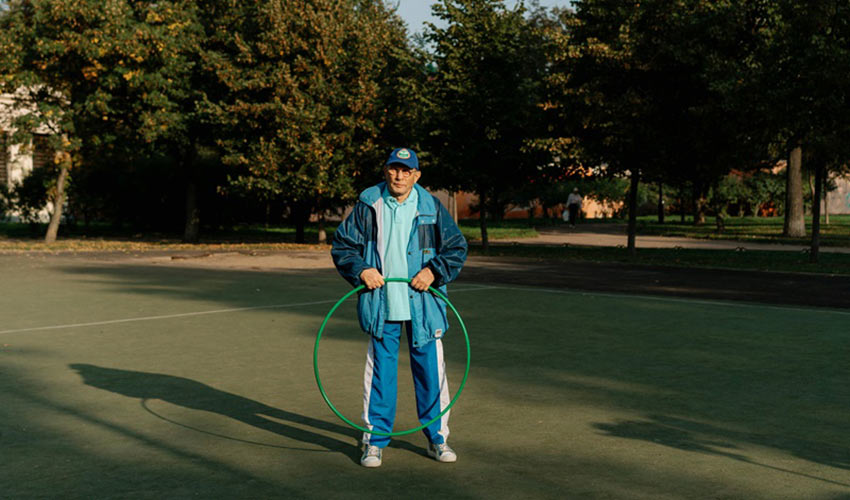
Engaging Those Brain Cells: Stimulating cognitive processes while exercising can amplify the benefits. Activities that challenge memory retention, anticipatory planning, and execution of movements provide a mental workout that works synergistically with physical exercise. This dual approach is a game-changer for cognitive function.
Fostering Connection Through Group Activities: Exercising in a group setting has proven benefits, enhancing commitment and accountability. Successfully combining these three elements is the focus of ongoing research, but we already see encouraging trends in two specific types of exercises that can help older adults maintain their cognitive edge.
The Dual Advantages of Team Sports
Team sports deliver far more than mere physical engagement. They present challenges that involve the entire physical skill set of the body. Sports like basketball and handball necessitate balance, coordination, and agility, while also demanding muscular strength for effective play. These activities remain accessible for people over 60 when conducted with appropriate supervision. From a cognitive standpoint, team sports create fresh, stimulating scenarios that foster cognitive engagement. This method known as simultaneous training has been recognised for its cognitive benefits among the elderly. Recent studies, including one from French researchers in 2022, highlight that participation in team sports can enhance short-term visuospatial memory (the ability to temporarily remember the position of objects) and improve planning capabilities in seniors.
Get Active & Have Fun – The Rise of Exergames
Exergames, a hybrid of exercise and gaming, represent a futuristic approach to fitness, requiring players to move to participate actively. This innovative genre gained traction in the early 2000s with the advent of Nintendo’s Wii and Switch, as well as Microsoft’s Kinect, promoting various physical skills such as balance, endurance, strength, and coordination while simultaneously boosting cognitive function. Several studies focused on older adults indicate that these engaging games can markedly improve both physical and cognitive abilities. The latest generation of exergames, featuring interactive walls for an immersive experience—such as Neo Xperiences’ Neo-One, Sphery’s ExerCube, and Lü’s Aire interactive, allow players to interact with both physical and digital objects in real time. Recent research comparing traditional exercise regimens with exerg ames demonstrated that participants engaging in exergaming displayed marked improvements in balance, strength, and cognitive flexibility. These findings not only support the efficacy of exergames but also underscore the importance of enjoyment in exercise, making fitness accessible, fun, and socially engaging.

Practical Strategies for Implementing Cognitive & Physical Exercises
To foster a thriving brain well into older adulthood, people should consider the following practical approaches:
Create a Balanced Routine: Develop a weekly plan that incorporates a combination of cardiovascular activities, strength training, and flexibility exercises. Aim for at least 150 minutes of moderate aerobic activity per week, along with two days dedicated to strength training. Consider incorporating fun activities like dancing or swimming to stimulate both body and mind.
Integrate Cognitive Challenges: While participating in aerobic or strength training exercises, introduce cognitive elements. This might involve following a choreography during a dance class or planning strategies in team sports. Even simple tasks, like practicing memory games or solving puzzles while on a stationary bike, can optimise mental engagement.
Opt for Group Activities: Join community sports teams or classes. Engaging with others not only provides motivation but also offers a sense of connection that can further bolster mental health. Look for groups that focus on cooperative sports or group exercise classes that highlight teamwork and camaraderie.
Explore Exergaming: Invest in an exergame system if preferred as these systems can be especially appealing for those who enjoy gaming or may have mobility limitations that traditional exercises exacerbate. Look for options that allow social play, like multiplayer settings, to combine physical activity with social interaction.
Stay Informed & Adaptable: Keep an open mind about new exercises or activities that may emerge. Regularly assess your interests and physical capabilities, allowing for modifications as needed. Embrace the diversity of options out there, from tai chi to obstacle course programs specifically designed for older adults.
Embrace Lifelong Learning: Finally, remember that keeping the mind active is just as essential as physical exercise. Engage with books, puzzles, art classes, or even new languages. Continuous learning keeps neural pathways engaged and creates opportunities for new connective stimulation.
With intentionality and enthusiasm, it’s certainly possible to maintain an agile mind and healthy body, promoting a rich and fulfilling life well beyond 60. By combining dynamic physical challenges, mentally stimulating activities, and fostering connections through community involvement, older adults can champion their own brain health in a transformative way. Embrace the possibilities, and let the journey revitalising your mind begin!
“Gratitude is a mindful awareness of the benefits of life. It’s the greatest of virtues. Studies have linked the emotion with a variety of positive effects. Grateful people tend to be more empathetic and forgiving of others. People who keep a gratitude journal are more likely to have a positive outlook on life. Grateful individuals demonstrate less envy, materialism, and self-centeredness. Gratitude improves self-esteem and enhances relationships, quality of sleep, and longevity.” – Max Lucado