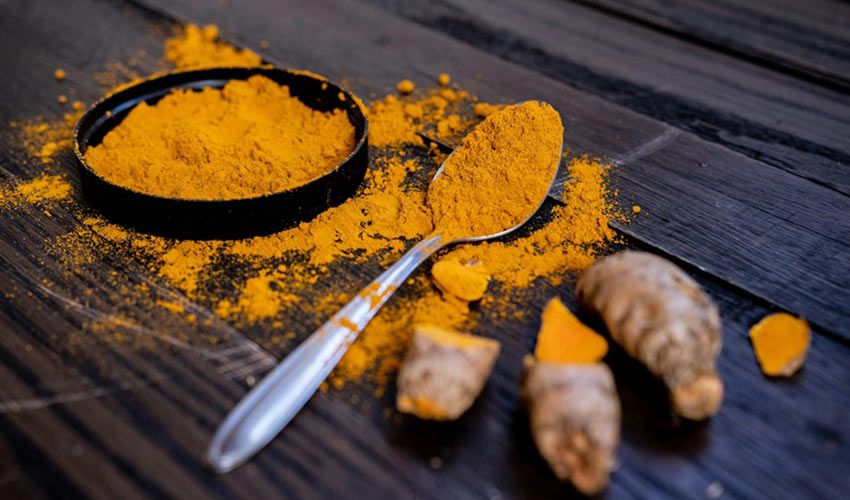
Most people are familiar with Turmeric, often celebrated as the Golden Spice. But what many don’t realise is that its powerhouse ingredient is Curcumin. In Thailand, this vibrant spice is a staple of traditional medicine, renowned for its myriad health benefits. Living in Thailand, I find myself savoring Turmeric-laden dishes almost every day, and I’m fortunate that fresh Turmeric is plentiful here. Its golden hue and earthy flavour have become an integral part of our culinary experience.
Most people are familiar with Turmeric, often celebrated as the Golden Spice. But what many don’t realise is that its powerhouse ingredient is Curcumin. In Thailand, this vibrant spice is a staple of traditional medicine, renowned for its myriad health benefits. Living in Thailand, I find myself savoring Turmeric-laden dishes almost every day, and I’m fortunate that fresh Turmeric is plentiful here. Its golden hue and earthy flavour have become an integral part of our culinary experience.
As I said, Curcumin is the primary active compound found in Turmeric, a spice that has been a cornerstone of various traditional medicine systems for centuries, particularly in Southeast Asia. Known scientifically as Curcuma Longa, Turmeric owes its vibrant yellow colour to Curcumin, which boasts a wide array of health-promoting properties. In Thai Traditional Medicine (TTM), Curcumin is celebrated not just as a culinary ingredient but as a powerful therapeutic agent that embodies a holistic approach to wellness.

Historical Context of Thai Traditional Medicine
Thai Traditional Medicine has deep roots in ancient healing practices that encompass herbal remedies, dietary guidelines, and alternative therapies such as massage and meditation. Influenced by Ayurvedic practices from India and Traditional Chinese Medicine, TTM integrates the balance of body, mind, and spirit, placing emphasis on the prevention of illness rather than just the treatment. Turmeric has been utilised within this framework for its range of health benefits, from its anti-inflammatory properties to its ability to enhance digestion. The rich history of Turmeric use in Thailand underscores its cultural significance and its essential role in holistic healing practices.
Health Benefits of Curcumin
Anti-inflammatory Properties: One of Curcumin’s most well-researched benefits is its anti-inflammatory action. Chronic inflammation is the root cause of many diseases, including arthritis, heart disease, and certain cancers. In TTM, Curcumin is used to treat conditions related to inflammation, such as joint pain and muscle soreness.
Antioxidant Effects: Curcumin is a potent antioxidant, which means it helps neutralise free radicals that can cause cellular damage. This property is leveraged in Thai medicine to support overall health, protect the skin from ageing, and enhance the body’s defence against various diseases.
Digestive Health: In Thai Traditional Medicine, Turmeric is commonly used to aid digestion. It stimulates the production of bile, essential for the breakdown of fats, and can help alleviate gastrointestinal discomfort. Traditional concoctions often include Turmeric for coping with bloating, gas, and indigestion.
Mood Enhancement: Emerging research suggests that Curcumin may have antidepressant properties. In TTM, Turmeric is sometimes used in preparations intended to uplift mood and support mental health. While more research is needed in this area, its integration into this practice reflects an understanding of the mind-body connection.
Antimicrobial Activity: Curcumin exhibits antimicrobial properties, making it valuable in treating infections. TTM utilises this aspect, particularly in topical applications for wounds and skin ailments.
Support for Overall Health & Longevity: Traditional practitioners often use Curcumin for its general health benefits, which are believed to promote longevity and vitality. Its inclusion in daily diets and herbal supplements reflects the wisdom of TTM’s holistic approach to health.
Methods of Consumption
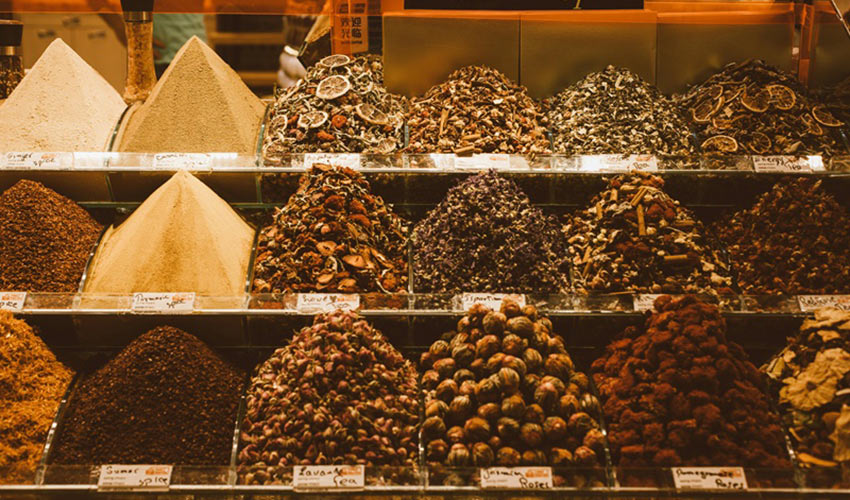
In Thai culture, Turmeric and Curcumin can be consumed in several forms. It is used in traditional dishes like curry, Turmeric is a staple that provides both flavour and health benefits. Here are three delicious Thai recipes that feature Turmeric as a key ingredient:
Thai Yellow Curry (Gaeng Karee)
Ingredients:
- 1 lb (450g) chicken (or tofu for a vegetarian option), cut into bite-sized pieces
- 2 tablespoons rice bran oil
- 2-3 tablespoons yellow curry paste
- 1 can (13.5 oz) coconut milk
- 2 cups vegetables (potatoes, carrots, bell peppers, etc.)
- 1 tablespoon fish sauce (or soy sauce for vegetarian)
- 1 tablespoon cane sugar
- 1 tablespoon Turmeric Powder
- Fresh basil leaves for garnish
- Cooked jasmine rice for serving
Turmeric Powder
- Heat the oil in a large pot over medium heat.
- Add the yellow curry paste and fry for about 1-2 minutes until fragrant.
- Add the chicken (or tofu) and cook until browned.
- Stir in the Turmeric Powder and then pour in the coconut milk, mixing well.
- Add the vegetables and bring to a simmer.
- Cook for about 15-20 minutes or until the chicken is cooked through and the vegetables are tender.
- Season with fish sauce and sugar.
- Adjust to taste.
- Serve hot with jasmine rice and garnish with fresh basil leaves.
Turmeric Fried Rice (Khao Pad)
Ingredients:
- 2 cups cooked jasmine rice (preferably day-old)
- 1 tablespoon vegetable oil
- 2 cloves garlic, minced
- 1 small onion, diced
- 1-2 small carrots, diced
- 1 cup peas (fresh or frozen)
- 2-3 tablespoons soy sauce
- 1 teaspoon Turmeric powder
- 2 eggs, beaten (optional)
- sea salt & pepper to taste
- green onions & cilantro for garnish
Instructions:
- Heat the oil in a large skillet or wok over medium heat.
- Add garlic and onion, sauté until fragrant.
- Add diced carrots and cook for a few minutes until tender.
- Push the vegetables to one side of the pan and pour in the beaten eggs, scrambling until fully cooked (if using).
- Add the rice, peas, soy sauce, and Turmeric powder.
- Stir well to combine all ingredients and heat through.
- Season with sea salt & pepper to taste.
- Serve hot, garnished with chopped green onions and cilantro.

Turmeric Soup with Shrimp (Tom Yum Goong)
Ingredients:
- 4 cups chicken or vegetable broth
- 1 lb (450g) shrimp, peeled and deveined
- 1 stalk lemongrass, cut into pieces and smashed
- 3-4 slices galangal (or ginger)
- 3-4 kaffir lime leaves, torn
- 1-2 tablespoons turmeric powder
- 1 tablespoon fish sauce
- 1 tablespoon lime juice
- 1-2 fresh chili peppers, sliced (to taste)
- Fresh cilantro and lime wedges for garnish
Instructions:
- In a pot, bring the chicken or vegetable broth to a boil. Add lemongrass, galangal, and kaffir lime leaves.
- Let it simmer for about 10 minutes to infuse the flavours.
- Add the Turmeric powder and shrimp to the pot.
- Cook until the shrimp turns pink and is cooked through, about 3-5 minutes.
- Stir in the fish sauce, lime juice, and sliced chilies.
- Remove from heat and serve hot, garnished with fresh cilantro and lime wedges.
Another form to utilise Turmeric is by consuming Turmeric-Infused Drinks. Here are three delicious recipes for Turmeric-infused drinks:
Golden Milk
Ingredients:
- 1 cup of milk (dairy or non-dairy, such as almond, coconut, or oat milk)
- 1 teaspoon ground Turmeric
- 1/2 teaspoon ground cinnamon
- 1/2 teaspoon ginger (freshly grated or ground)
- 1 tablespoon honey or maple syrup (adjust to taste)
- A pinch of black pepper (to enhance Turmeric absorption)
- Optional: a splash of vanilla extract
Instructions:
- In a small saucepan, combine the milk, Turmeric, cinnamon, ginger & black pepper.
- Whisk the mixture over medium heat until it’s warm, but do not allow it to boil.
- Once warm, remove from heat and stir in honey or maple syrup and vanilla extract, if using.
- Use a whisk to make it frothy if desired.
- Pour into a mug and enjoy!
Turmeric Ginger Lemonade
Ingredients:
- 1 cup fresh lemon juice (about 4-6 lemons)
- 4 cups filtered water (cold or iced)
- 1 tablespoon ground Turmeric
- 2-3 tablespoons honey or agave syrup (to taste)
- 1 tablespoon fresh ginger, grated (or 1 teaspoon ground ginger)
- A pinch of black pepper
- Ice cubes
- Fresh mint leaves for garnish (optional)
Instructions:
- In a large pitcher, mix the lemon juice, water, Turmeric, honey, grated ginger, and black pepper until well combined.
- Taste & adjust sweetness if needed.
- Refrigerate for about 30 minutes to let the flavours meld.
- Serve over ice and garnish with fresh mint leaves if desired.
Turmeric Chai Tea
Ingredients:
- 2 cups filtered water
- 1 cup milk (dairy or non-dairy)
- 2 teaspoons ground Turmeric
- 1-2 teaspoons black tea (loose leaf or tea bags)
- 1/2 teaspoon ground cinnamon
- 1/4 teaspoon ground ginger (or freshly grated)
- 1 tablespoon honey or to taste
- A pinch of black pepper
- Optional: star anise or cardamom pods for additional flavour
Instructions:
- In a saucepan, bring the water to a boil. Add the black tea, Turmeric, cinnamon, ginger & black pepper.
- Reduce the heat and let it simmer for about 5-7 minutes.
- Strain the mixture through a fine mesh sieve into another pot or pitcher, discarding the tea leaves and spices.
- In the same saucepan, add the milk & honey, and heat gently until warmed.
- Combine the strained tea with the prepared milk, stir well & adjust sweetness if needed.
- Serve hot & add a sprinkle of cinnamon on top for garnish.
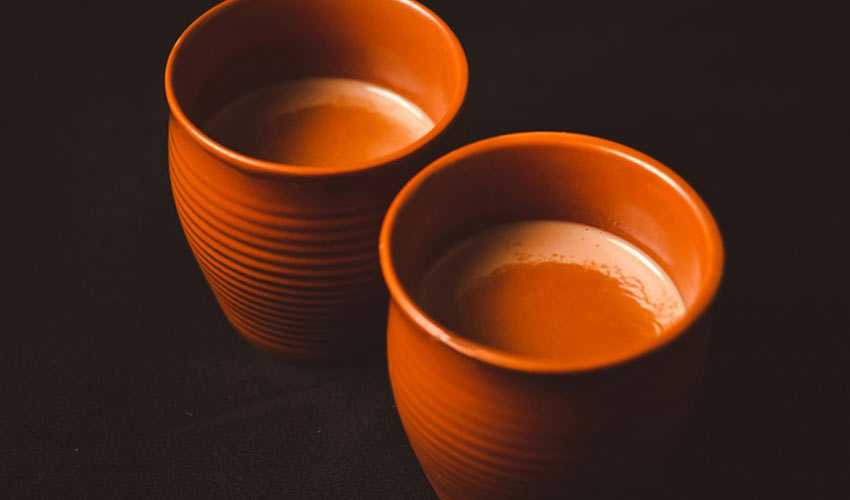
Herbal Preparations – The Power of Turmeric in Holistic Healing
Herbal preparations, particularly decoctions and teas, have long been revered for their potent therapeutic properties, and Turmeric stands out as a key ingredient in this ancient practice. When combined with other medicinal herbs, Turmeric not only enhances the overall efficacy of these concoctions but also amplifies their health benefits, creating a powerful synergy that supports holistic well-being. Its vibrant golden hue is a testament to the wealth of beneficial compounds it houses, especially Curcumin, known for its anti-inflammatory and antioxidant properties. By blending Turmeric with complementary herbs like ginger, chamomile, and peppermint, herbalists can craft nourishing elixirs that target a range of ailments, from digestive issues and respiratory discomfort to inflammation and stress relief.
Topical Applications – A Natural Approach to Skin Care
The versatility of Turmeric extends beyond internal use; its topical applications are equally impressive and effective. When crafted into pastes or ointments, Turmeric becomes a valuable ally in skin care, offering natural solutions for various conditions such as acne, eczema, and minor wounds. My wife used to sell herbal balms at the famous Chiang Mai Night Bazaar and Curcuma Longa Balm was one of the bestsellers! The anti-inflammatory properties of Turmeric help soothe and calm irritated skin, while its antiseptic qualities contribute to the healing of minor cuts and abrasions. For those struggling with acne, Turmeric’s ability to balance oil production and reduce inflammation can lead to clearer, healthier skin over time. Furthermore, its use in managing eczema provides a holistic avenue for alleviating the discomfort associated with skin flare-ups, often reducing redness and itchiness.
To harness these benefits, one can create a simple paste by mixing Turmeric powder with pure water, honey, or coconut oil, applying it to the affected areas, and allowing it to sit for a duration to maximise its effectiveness. This approach not only promotes healing but also nourishes the skin with nature’s potent remedies.

Enhancing Bioavailability of Curcumin
Curcumin is not easily absorbed by the body. To enhance its bioavailability, it is often combined with black pepper (piperine) or healthy fats (like coconut oil) in TTM formulations. In addition, Curcumin Liposomal offers proven absorption features. Ancient Purity supplies this advanced Liposomal supplement which is designed to optimise your wellness journey like never before. Each 5ml serving of this remarkable formula packs a potent dose of 170mg of C3 Curcumin, carefully encased in a cutting-edge Liposomal delivery system that enhances absorption and maximises effectiveness.
The traditional approach to supplementation typically involves swallowing a standard capsule, which must navigate the lengthy journey through the mouth and digestive tract before reaching the small intestine. Unfortunately, this process can be detrimental to the bioavailability of essential nutrients. As these compounds meander through the digestive system, they encounter numerous barriers, including degradation by stomach acid and metabolic processing by the liver. This often results in diminished nutrient absorption, leaving you with far less benefit than intended.
The Liposomal formulation, however, is specifically engineered to bypass many of these challenges. By encapsulating C3 Curcumin in Liposomes, tiny vesicles made of phospholipids, a protective layer is created that shields the Curcumin. This innovative delivery system facilitates direct entry into cells, leading to significantly enhanced uptake and effectiveness. As a result, you can experience the full spectrum of benefits offered by Curcumin, nature’s powerhouse anti-inflammatory and antioxidant compound, more rapidly and effectively than through traditional capsules.
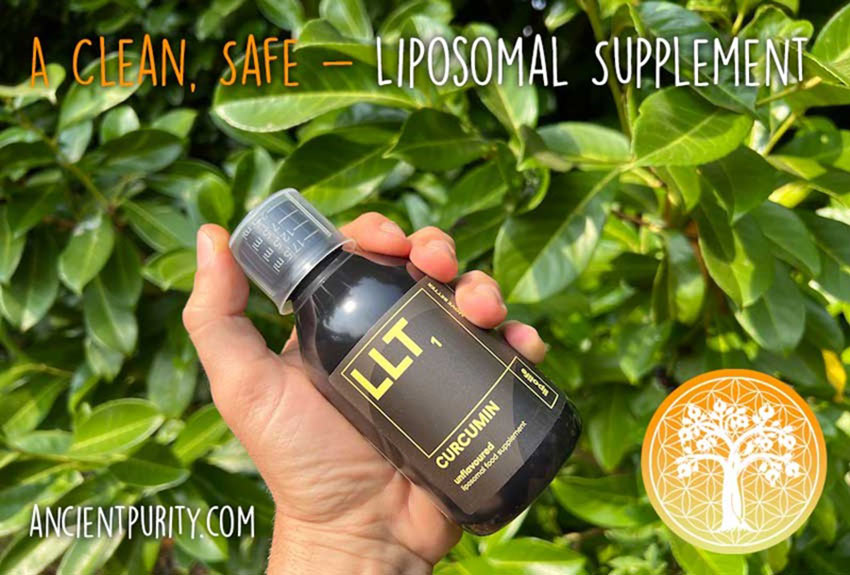
Furthermore, this natural health product is manufactured in a HACCP (Hazard Analysis Critical Control Point) registered laboratory in Europe, held to the highest standards of quality and safety. At Ancient Purity, they are committed to using only premium components sourced exclusively from European suppliers, ensuring that you receive a supplement of unparalleled purity and efficacy. Experience the advantages of superior absorption and harness the power of Curcumin in a way that may revolutionise your approach to wellness. Your body deserves only the best, and with this product, you can be confident that you are making a vital investment in your health.
Brief Introduction to Thai Traditional Medicine
Thai Traditional Medicine (TTM) is a holistic health system that has been practiced in Thailand for centuries, deeply intertwined with the country’s cultural heritage and spiritual beliefs. Rooted in ancient traditions, TTM draws from a rich tapestry of influences, including Ayurveda, Chinese medicine, and local herbal knowledge. In this section I’ll aim to provide a brief overview of Thai Traditional Medicine, exploring its principles, methods, and relevance in contemporary healthcare.
Principles of Thai Traditional Medicine
At the heart of TTM lies the concept of balance. Practitioners believe that health is achieved through harmony between the mind, body, and spirit. TTM posits that illness results from an imbalance in the body’s natural energies, which must be restored for optimal health. The primary elements of this system include:
Sen Lines: Central to TTM is the concept of “sen,” or energy lines, which are believed to run throughout the body. Similar to the meridian system in Traditional Chinese Medicine, these sen lines are crucial in the flow of life energy (known as “lom”) and play a vital role in diagnosing and treating health issues.
Three Humours: TTM also refers to three bodily humours: wind (vata), bile (pitta), and phlegm (kapha). Each humour corresponds to various physical and emotional states, and their balance is deemed essential for good health.
Methods of Treatment
Thai Traditional Medicine employs a range of methods to promote healing and wellness:
Herbal Medicine
Herbal remedies are fundamental to TTM, utilising a wide variety of native plants and herbs. These natural medications are prescribed based on individual diagnoses and may involve infusions, decoctions, or pastes. Common herbs include ginger, Turmeric, and lemongrass, known for their anti-inflammatory and antimicrobial properties.
Massage Therapy
One of the most recognisable aspects of TTM is Thai massage, a therapeutic practise combining acupressure and assisted yoga postures. This technique aims to remove blockages along the sen lines, enhancing energy flow and alleviating tension in muscles and joints.
Spiritual Practices
TTM often integrates elements of spirituality and meditation. Practitioners may recommend mindfulness techniques, breathing exercises, or rituals to foster emotional and spiritual well-being, recognising that mental health is intertwined with physical health.
Dietary Advice
Nutrition plays a vital role in TTM. Practitioners emphasise a balanced diet tailored to individual needs, focusing on fresh, seasonal, and locally-sourced foods to enhance vitality and fortify the body’s defenses. Why not try some of the recipes I mentioned earlier?

Relevance in Contemporary Healthcare
In recent years, there has been a growing interest in Thai Traditional Medicine, both within Thailand and internationally. As the global wellness movement gains momentum, many people are turning to TTM as a complementary approach to modern medicine. Its holistic nature aligns well with contemporary trends focusing on preventive care and the management of chronic conditions. Furthermore, the Thai government has recognised the importance of preserving and promoting TTM. Efforts have been made to integrate TTM into the national healthcare system, ensuring that traditional practices coexist with modern medical approaches.
Conclusion
Thai Traditional Medicine represents a profound understanding of health that transcends the physical realm to incorporate the mind and spirit. With its holistic principles, diverse treatment methods, and growing acceptance in modern healthcare, TTM offers valuable insights into achieving balance and wellness. As we continue to explore the benefits of traditional practices, TTM stands as a testament to the wisdom of ancient cultures and their relevance in today’s rapidly changing world. Whether through herbal remedies, massage therapy, or dietary adjustments, TTM invites us to reconnect with our bodies and embrace a more balanced approach to health.
“There is no medicine which can remedy that which ails us better than the power of our own bodies.” – Thai Proverb
References
- Curcumin: A review of anti-cancer properties and therapeutic activity in head and neck squamous cell carcinoma
- A Comprehensive Review on the Benefits and Problems of Curcumin with Respect to Human Health
- Turmeric benefits: A look at the evidence
- Curcumin: A Review of Its’ Effects on Human Health
- Therapeutic Roles of Curcumin: Lessons Learned from Clinical Trials