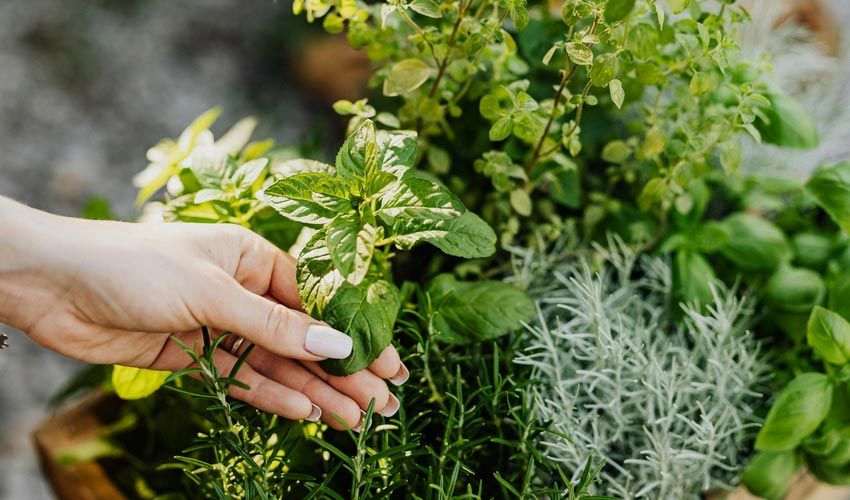
Our precious planet boasts an incredible array of healing plants, many of which thrive right in our own backyards. Here in our garden, a remarkable collection of medicinal herbs and plants that hold healing properties, grow. Today, I’m excited to share with you the wonderful varieties you can cultivate in your garden, transforming it into a sanctuary of wellness.
Our precious planet boasts an incredible array of healing plants, many of which thrive right in our own backyards. Here in our garden, a remarkable collection of medicinal herbs and plants that hold healing properties, grow. Today, I’m excited to share with you the wonderful varieties you can cultivate in your garden, transforming it into a sanctuary of wellness.
Medicinal plants have been intertwined with the story of human survival since time immemorial. Across cultures and epochs, the use of botanical remedies has reflected the intimate relationship between nature and mankind. From ancient civilisations to contemporary herbalism, medicinal plants have served as a testament to humanity’s quest for healing, survival, and understanding of the natural world.
Ancient Beginnings – The Dawn of Herbal Medicine
Prehistoric Roots
nThe history of medicinal plants likely began as early as the Paleolithic era, when our prehistoric ancestors turned to the flora around them for sustenance and relief from ailments. Archaeological evidence suggests that these early humans may have used herbs like Willow, known for its salicylate compounds, which were the precursors to modern-day aspirin.
Sumerians & Egyptians
nBy approximately 3000 BCE, in ancient Mesopotamia, the Sumerians recorded their use of medicinal plants on clay tablets, often integrating them with rituals and spiritual practices. The Ebers Papyrus, an ancient Egyptian medical text dating back to circa 1550 BCE, showcased a sophisticated knowledge of various plants, detailing over 700 remedies. Here, we find descriptions of plants including garlic, which was utilised for its health benefits, and myrrh, valued for its antiseptic qualities.
Greco-Roman Advances
nIn the classical world of Greece and Rome, notable figures like Hippocrates and Dioscorides advanced the study of herbal medicine. Hippocrates, often called the “Father of Medicine,” espoused the importance of observation and meticulous record-keeping, while his contemporary Dioscorides authored “De Materia Medica,” a seminal text that categorised over 600 medicinal plants. Dioscorides’ work served as a cornerstone for centuries, influencing herbalists long after the fall of the Roman Empire.
The Medieval & Renaissance Periods – Bridging Knowledge
The Islamic Golden Age
nThe Islamic Golden Age (8th to 14th century) marked a critical juncture in the development of herbal medicine. Scholars such as Avicenna (Ibn Sina) emerged, compiling vast encyclopaedias of herbal knowledge. His work, “The Canon of Medicine,” systematically categorised plants according to their medicinal properties, blending philosophical thought with empirical observation. Herbs like henbane and opium poppy were meticulously studied, paving the way for therapeutic applications in both the Western and Islamic medical traditions.
European Herbalism
nIn medieval Europe, herbalism flourished amidst an environment of superstition, where plants were often associated with magic and folklore. Monasteries became vital centres for knowledge preservation and herbal cultivation. Compendiums such as “La materia medica” by Hildegard of Bingen featured recommendations on healing plants like St. John’s Wort and chamomile, intertwining spirituality with empirical knowledge. The Renaissance saw a revival of classical texts and an expansion of botanical exploration. Figures like Paracelsus advocated for the use of specific plants, emphasising the harmony between nature and medicine. This period also fostered the compilation of herbals, illustrated texts that documented plants and their uses, culminating eventually in works by botanist John Gerard and herbalist Nicholas Culpeper.
The Age of Enlightenment & Beyond – Scientific Validation
18th & 19th Centuries
nThe Age of Enlightenment brought a shift towards empirical science and the scientific method, profoundly affecting the study of medicinal plants. This period saw the isolation of active compounds from plants. The identification of quinine from the bark of the cinchona tree for treating malaria and morphine from the opium poppy revolutionised medicine. Herbal medicine continued to co-exist alongside pharmaceuticals. In the 19th century, the popularity of botanical gardens and the increased accessibility of botanical texts allowed for the flourishing of herbalism as both an art and science. Echinacea, ginseng, and goldenseal became popular among herbalists and mainstream practitioners alike.
20th Century – A Dual Approach
nThe rise of synthetic pharmaceuticals in the 20th century marked significant progress in modern medicine, yet it also led to a decline in the prominence of traditional herbal remedies. Despite this, doctors such as Albert Schweitzer and Hippocrates’ followers highlighted the importance of plant-based treatments, resulting in a resurgence of interest in herbal medicine, especially as antibiotic resistance became a pressing health concern. Notably, the 1970s health and wellness movement played a pivotal role in rekindling global interest in herbal remedies. This era witnessed a renewed reverence for natural solutions, as people sought alternatives to conventional medicines. Ginkgo biloba, St. John’s Wort, and kava gained popularity, aligning with a shift towards holistic health practices.
The Best Medicinal Herbs for Your Garden – Cultivation & Uses of Healing Plants
In a perfect world, we would each possess the innate gift to summon our own curated list of essential garden herbs, uniquely suited to our individual climates and personal health needs. However, we find ourselves in a time where rediscovering the age-old practice of cultivating an apothecary garden has become both a necessity and a delightful journey. This sacred space, where nature’s beauty flourishes alongside the gifts of healing and the hum of busy bees, invites us to reconnect with the earth and our roots. It is my earnest desire that the following insights ignite your imagination and serve as a springboard for creating your very own dream herb garden, a sanctuary of well-being tailored just for you. Each herb I’ve selected is not only easy to grow but also brimming with medicinal potential and versatility. Yet, let this be just the beginning! The world of herbs is vast and varied, with countless options waiting to be explored. I hope you enjoy the journey of discovery, and may your garden flourish in health and beauty!
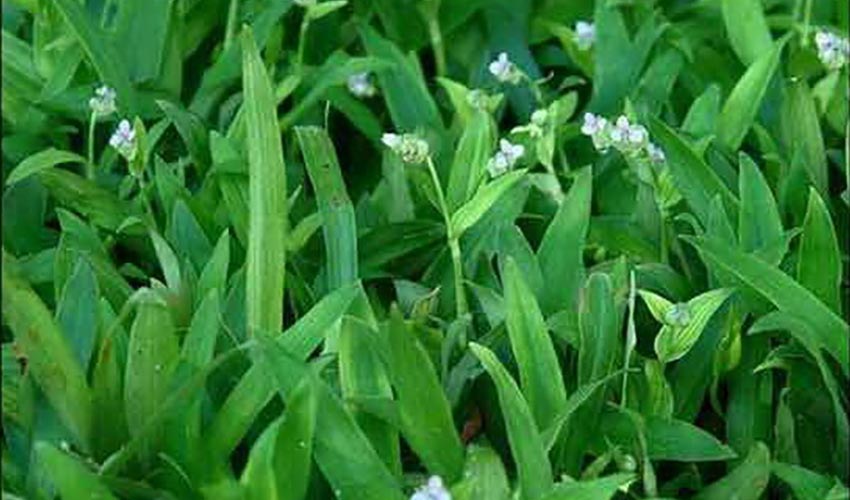
Angel Grass (Murdannia loriformis): Allow me to introduce you to one of my absolute favourites: Angel Grass. This remarkable herb has gained considerable recognition in Thailand for its astonishing ability to aid cancer patients, many of whom have reported recovery after incorporating its fresh juice into their diets. Renowned for its potential to combat cancer, Angel Grass is believed to enhance the immune system, providing vital support in the fight against this formidable illness. Numerous studies substantiate its reputation as a powerful anticancer agent, rich in antioxidants and anticarcinogenic properties. I recall that Ancient Purity once offered Angel Grass in capsule form, but for reasons unknown, they have since discontinued this extraordinary product. In Thailand, Angel Grass is traditionally employed to tackle a multitude of health challenges, including leukaemia and diabetes, and it has been embraced by many as a natural self-treatment for cancer. The fresh juice is especially prized for its purported ability to extend life and alleviate the adverse effects of radiation and chemotherapy treatments. Beyond its cancer-related benefits, Angel Grass holds a revered place in Thai folklore medicine, where it is also used for pain relief, bronchitis, diabetes management, as a laxative, and as a cooling agent for the body. In neighbouring Malaysia, the herb’s applications extend to treating skin conditions such as psoriasis and eczema, showcasing its versatility and broad appeal across different cultures. With such a wide array of health benefits and traditional uses, Angel Grass truly stands out as a powerful herb with the potential to transform lives.
St. John’s Wort (Hypericum perforatum): St. John’s Wort, resplendent with its bright yellow flowers, stands out as a symbol of happiness and vitality within the world of herbal medicine. This perennial marvel has secured its place in the annals of traditional healing for centuries, and contemporary research continues to reveal its astonishing therapeutic potential. Widely celebrated for its ability to elevate mood, St. John’s Wort has become a favoured natural remedy for those seeking relief from mild to moderate depression and anxiety. Yet, the remarkable benefits of this versatile herb extend far beyond mood enhancement. St. John’s Wort is also prized for its anti-inflammatory properties, making it a powerful ally against various ailments, as well as its antiviral qualities that help bolster the body’s defences. Additionally, it promotes wound healing and alleviates nerve pain, showcasing its multifaceted utility in holistic health. Cultivating St. John’s Wort is a rewarding endeavour for both novice and experienced gardeners alike. This resilient plant flourishes in full sunlight to partial shade, thriving in well-drained soil that allows its roots to breathe. While it demonstrates an impressive ability to adapt to different soil types and pH levels, ensuring good drainage is crucial to prevent root rot and promote healthy growth. Here you can order St John’s Wort, Fresh, Organic Plant Juice. When establishing your St. John’s Wort, regular watering will aid in its development, while a layer of mulch can help retain moisture and keep pesky weeds at bay. To encourage lush new growth and abundant flowering, consider pruning the plant in early spring. With just a little care, this cheerful herb can become a vibrant addition to your garden and a valuable component of your natural health regimen.
Motherwort (Leonurus cardiaca, Lamiaceae): Motherwort, a remarkable and resilient herb, stands out as one of the most effortless plants to cultivate, making it an indispensable ally in the field of natural medicine. Renowned for its remarkable versatility, this herb holds a special place in my heart as one of my foremost remedies for alleviating anxiety and stress. When taken as a tincture or steeped into a soothing tea, Motherwort works wonders in reducing various forms of discomfort, including headaches, menstrual cramps, and the nagging aches and strains that life sometimes dishes out. While I must mention that Motherwort possesses a notably bitter flavour, which can be off-putting for some, I often recommend it in tincture form for a more palatable experience. For those navigating the challenges of menopause, Motherwort proves to be an invaluable support, helping to ease the intensity of hot flashes and soothe hormonal irritability. Its benefits extend to expectant mothers as well; my wife relied on motherwort during the birth of our daughter, using it to strengthen contractions and facilitate a smoother labour process. The beauty of this herb lies not only in its physical health benefits but also in its nurturing qualities for parents. True to its name, motherwort has a unique ability to foster patience during the chaotic and often exhausting days of parenting. Many find that it gently alleviates the edginess that can result from sleep deprivation, the endless cycle of laundry and dishes, and the spirited antics of energetic little ones. As a short-lived herbaceous perennial, Motherwort thrives best when planted in full sun to partial shade. This remarkable plant should be spaced 18 to 24 inches apart, growing to an impressive height of 3 to 5 feet. For those looking to propagate Motherwort from seed, a simple stratification process, placing the seeds in damp sand within the refrigerator for two weeks, can enhance germination rates. Once removed and placed in a warm environment, such as a sunny window or greenhouse, you can expect these resilient seeds to sprout within just a week. Adding Motherwort to your garden not only enriches your herbal repertoire but also provides a source of comfort and relief in times of need. It’s a plant that embodies the spirit of care and wellness, ready to support you and your family through life’s ups and downs.
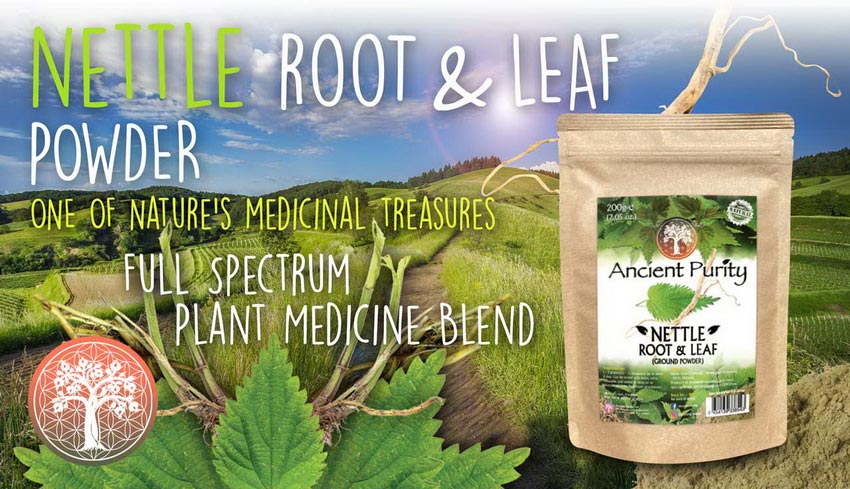
Stinging Nettles (Urtica dioica, Urticaceae): Nettles, often hailed as nature’s powerhouse of nutrition, are a springtime delight that can elevate any culinary experience. These vibrant greens, whether steamed, incorporated into soups, or stir-fried, are not just delicious; they are also brimming with essential vitamins and minerals. The notorious sting that deters many from enjoying Nettles is easily vanquished through cooking or drying, unlocking their rich bounty of nutrients. Packed with an impressive array of vitamins, particularly A and C, as well as crucial minerals like calcium, potassium, magnesium, and iron, Nettles are far more than just a food source; they are a nutritional treasure trove. The Leaves and Seeds of the Stinging Nettle are not only edible but also serve medicinal purposes. Infusions made from nettles have been traditionally employed to alleviate allergies, soothe arthritis pain, and even act as a tonic for kidney health. With regards to gardening, few herbs rival the versatility and usefulness of nettles. As a perennial vegetable, nettles offer the unique advantage of returning year after year from their robust root systems, eliminating the need for annual replanting and thus requiring less energy and effort to cultivate compared to many other crops. Their generous nature means they proliferate readily through runners; it’s wise to allocate a dedicated space for them, ideally using a semi-buried barrier to keep them contained. Ideal planting spots include damp meadows, away from regular foot traffic, or even on old compost heaps, where they can thrive. Nettles can reach heights of 3 to 4 feet (0.9 to 1.2 meters) and spread indefinitely, favouring full sun to partial shade coupled with rich, moist soil. As the first signs of spring appear, fresh Nettle shoots burst forth, inviting you to harvest the tender new growth. This harvesting can be done repeatedly with sharp scissors, ensuring a continuing supply of greens throughout the season. It is important to collect the Nettles before they bloom for the best flavour and nutrition. Remember to dress appropriately in thick clothing and wear durable gardening gloves for protection while handling these prickly plants. For larger harvests, a scythe or similar tool works well, while kitchen scissors or pruners are ideal for smaller quantities. Nettles are classified as dynamic accumulators, a fascinating category of plants known for their ability to extract essential nutrients such as nitrogen, potassium, phosphorus and calcium from the deep layers of the soil. These nutrients are then concentrated in their leaves, which release their bounty back into the soil upon decay or leaf drop. This remarkable quality makes Nettles not only an excellent addition to compost but also perfect fertilising mulch. Gardeners often craft “Nettles tea” by soaking the leaves in water until fermentation occurs. This nutrient-rich liquid can then be used to hydrate plants, acting as a natural fertiliser while also introducing beneficial microorganisms into the garden ecosystem. The multifaceted benefits of Nettles, both in the kitchen and in the garden, solidify their status as an indispensable herb for health and sustainability.
Calendula (Calendula officinalis, Asteraceae): I still remember my mother growing the golden Calendula flowers in our back garden in Holland. Calendula, a delightful herb known for its radiant golden blooms, holds a special place in the hearts of many herbal enthusiasts. These vibrant flowers, often referred to as “petals” but technically known as ray florets, are not only visually stunning but also edible, making them a charming addition to culinary creations. Beyond their aesthetic appeal, Calendula boasts a long-standing reputation as a powerful medicinal herb, especially renowned for its efficacy in treating various skin ailments. Whole Calendula flowers, including their resinous green bracts, are a staple in the formulation of topical oils and salves designed to heal wounds, soothe rashes, alleviate burns, and combat dry skin. One of Calendula’s noteworthy claims to fame is its frequent appearance in diaper rash ointments and creams, where its gentle yet effective properties work wonders for delicate skin. When it comes to internal health, the versatility of Calendula continues to impress. Its flowers can be transformed into teas, tinctures, and broths to harness their antifungal and antibacterial properties. Additionally, Calendula serves as a lymphagogue, stimulating the lymphatic system, as well as an emmenagogue to promote menstrual flow and a digestive anti-inflammatory. In my own garden, I take pleasure in planting Calendula at the front of my house, where I can enjoy its cheerful blossoms and observe the lively dance of pollinators throughout the sunny summer months. This resilient plant thrives in full sun and adapts well to average garden soil, making it a beloved choice for both seasoned gardeners and novices alike. Growing Calendula is a delightfully straightforward process. You can directly sow the seeds into the soil or start them early in pots, as the seedlings exhibit a certain tolerance to cooler temperatures. Calendula does particularly well in containers, earning it the charming moniker “pot marigold.” For optimal growth, plant these cheerful blooms about 10 to 14 inches (25 to 35.5 cm) apart, allowing them to reach an impressive height of 18 inches (46 cm). To prolong the flowering season, it’s essential to harvest the sticky flowers every two to three days. A fun fact about Calendula is that it often self-sows, provided heavy mulching isn’t applied. While it’s typically grown as an annual, in warmer climates, it can flourish as a short-lived perennial, extending its beauty and benefits for seasons to come.
Passionflower (Passiflora incarnata, Passifloraceae): Passionflower, a stunning native vine of the south-eastern United States, captivates with its exquisite blooms and unique foliage. While it may exhibit weedy tendencies in some regions, this resilient plant is easy to cultivate elsewhere, especially if provided with a supportive structure like a wall or trellis to climb. Its enchanting flowers and lush leaves not only beautify the landscape but also serve a purpose: they are renowned for their calming properties and are commonly used as natural sedatives to promote restful sleep and relieve discomfort from ailments such as menstrual cramps and headaches. This perennial herb, although short-lived, has an exuberant growth habit, often overtaking trellises and arbours with its vigorous climbing ability. When planting, space the vines about three feet (0.9 metres) apart to ensure they have adequate room to sprawl. By the end of summer, they can reach impressive heights of over five feet (1.5 metres)! Passionflower thrives in full sunlight, flourishing and producing a dazzling array of blooms when basked in warm rays, particularly in northern climates. In hotter areas, it benefits from a bit of shade in the afternoons to prevent overheating. To grow Passionflower successfully, ensure it’s planted in well-drained or average garden soil, as this vine prefers a balance that won’t leave its roots waterlogged. For those starting from seeds, a few preparation techniques can greatly enhance germination. First, scarify the seeds by gently rubbing them between two pieces of sandpaper until you see a hint of the pale inner tissue beneath the dark seed coat. Next, consider stratifying the seeds by placing them in damp sand within a refrigerator for one to two months, a process that can mimic natural winter conditions and improve sprouting success. Patience is key when waiting for Passionflower seeds to germinate; it’s not uncommon for them to take weeks or even months to sprout, and the germination may occur at different times. To boost your chances of success, you might find that providing bottom heat, planting in a warm greenhouse, or sowing seeds during late spring can create an ideal environment for growth. In summary, with its stunning aesthetic and valuable medicinal properties, Passionflower is more than just a beautiful vine; it is a delightful addition to any garden that rewards the gardener’s patience and care with vibrant life and potential wellness benefits. Whether you cultivate it for its charm or its traditional uses, Passionflower stands out as a remarkable plant worthy of consideration.

Holy Basil (Ocimum tenuiflorum syn. O. sanctum, Lamiaceae): I consume this plant frequently. Native to the diverse landscapes of India, holy basil, also known as Tulsi, is not only a revered herb in traditional medicine but also a powerhouse of therapeutic properties. It boasts an impressive profile, functioning as a gentle antihyperglycemic agent, as well as possessing anti-inflammatory, antimicrobial, and expectorant qualities. Consuming Holy Basil as a tea can be an effective way to manage blood sugar levels, providing support for those navigating the challenges of diabetes. Additionally, its soothing effects make it a valuable remedy for alleviating symptoms associated with colds and coughs. Beyond its internal benefits, Holy Basil is also renowned for its ability to support intestinal health, assist in asthma management, and reduce fevers. The journey of utilising Holy Basil doesn’t stop at ingestion; the plant’s juice can be skilfully extracted and applied topically to treat insect bites, ringworm, and a variety of other skin conditions, harnessing nature’s soothing touch for wound care. If you’re considering growing this remarkable plant, here are some essential tips inspired by the University of California. Holy Basil thrives best when planted in full sunlight; dig small holes approximately ¼ of an inch deep, ensuring they’ve been well-prepared. While it’s important to keep the soil adequately moist to nurture your plants, be cautious to avoid overwatering, which can lead to detrimental outcomes. For optimal growth and flavour, harvest your Holy Basil leaves before the plant flowers, as once it begins to bloom, the quality of the leaves can decline, and the plant will become more focused on reproduction than on leaf production. Keep in mind that on-going maintenance is essential, as Holy Basil is a resilient grower that will continue to flower throughout the season. With its rich heritage and myriad of uses, Holy Basil is not just a plant; it’s a doorway to wellness and a testament to the healing powers of nature.
Echinacea (Echinacea purpurea, Asteraceae): The purple coneflower, also known by its scientific name Echinacea purpurea, stands out as one of the most beloved flowering plants in gardens across the nation. With its vibrant purple petals and striking conical centre, this perennial not only captivates the eye but also plays a vital role in nature’s ecosystem, drawing in a plethora of butterflies and bees that flutter around its blooms. What sets Echinacea apart is not just its aesthetic appeal; it’s also remarkably easy to cultivate. This resilient plant thrives with little fuss, showing an impressive capacity to endure drought, resist diseases, and fend off insect pests. Gardeners will find that Echinacea fits seamlessly into a variety of landscapes, returning year after year to grace your garden with its beauty. Beyond its ornamental value, every part of the purple coneflower carries medicinal properties. The roots, seeds, and freshly picked flowers can be transformed into delicious herbal teas or tinctures that provide a refreshing, tingling sensation while boosting the immune system. For those looking to harness nature’s bounty, Echinacea serves as a versatile herb that blends beauty with beneficial health properties. As a hardy herbaceous perennial, the purple coneflower flourishes best in full sunlight, ideally planted 1-2 feet (30-60 cm) apart to allow for optimal growth. It typically reaches heights ranging from 3 to 4 feet (0.9 to 1.2 metres), forming stunning clusters that become a centrepiece in any garden. Among the different species, Echinacea purpurea is recognised as the most straightforward to grow in varied soil conditions. In contrast, Echinacea angustifolia is particularly sought after by herbalists for its high medicinal value. If you’re eager to add these delightful flowers to your garden, sow the seeds either in trays or directly into the soil in early spring. You can expect to see germination within 2-3 weeks, but for those looking to enhance their success rate, cold stratification is recommended. By chilling the seeds for two weeks prior to planting, you can significantly boost germination outcomes. While Echinacea will start producing blooms in its second year, patience is key as it won’t be ready for root harvest until it’s matured over two to three years. Additionally, the seeds of this striking flower are a favourite among goldfinches, and if left undisturbed throughout the winter months, they will self-sow, ensuring that your garden continues to flourish with these vibrant additions year after year.
Spilanthes (Acmella oleracea, Asteraceae): With its eye-catching golden, globe-shaped flowers crowned by striking red centres, the Spilanthes plant has garnered attention from both gardeners and herbal enthusiasts alike, earning it the playful nickname “eyeball plant.” Beyond its captivating appearance, this remarkable herb, often referred to as the toothache plant, offers a unique experience for the senses, both visually and gustatory. Spilanthes is renowned for its potent ability to stimulate saliva production, making it one of the most effective sialagogues in the herbal realm. Just a small bite of its vibrant blossoms can send tingling waves of sensation across your palate, setting off an enthusiastic drool response that is both surprising and delightful. This numbing effect is not merely a party trick; it provides genuine relief for toothaches, and its natural antimicrobial properties have made it a valued ingredient in various oral health formulations. Acting as an oral anodyne, Spilanthes is celebrated for its ability to soothe discomfort in the mouth, thanks to its stimulating, healing qualities. Every part of this plant offers medicinal benefits, and it can be enjoyed fresh in moderation or transformed into an herbal tincture. I often incorporate Spilanthes into my herbal concoctions, particularly alongside Echinacea, to enhance the body’s defences against common ailments like colds and flu. Its immune-boosting properties make it a cherished ally in my wellness routine. Growing Spilanthes is a rewarding venture, especially because it’s one of the simplest medicinal herbs to cultivate. Children are particularly drawn to this fun plant, making it an exciting addition to family gardens. As an annual herb, it flourishes in well-draining soil under full sunlight. Regular watering during dry spells will ensure its healthy growth. This bushy, compact herb typically reaches no more than one foot (30 cm) in height and should be spaced equally at one foot apart to allow for proper air circulation and access to light. If you’re keen to get a jumpstart on your herb garden, you can sow Spilanthes seeds directly into the ground once the threat of frost has passed or begin them in a greenhouse for an early boost. The plant adapts well to transplanting and will naturally self-sow if not overly mulched, though be patient; its sprouts can take until June to make their appearance here in Northern Thailand. Once established, you can reap the benefits of Spilanthes throughout the growing season. Prune the plants back to about six inches (15 cm) to encourage new growth, and if you’re lucky enough to have some time before frost arrives, they will bounce back beautifully. With just one or two plants, you can produce over a quart of tincture, ensuring that you have plenty of this delightful herb on hand. Whether for enjoyment, health, or a bit of botanical fun, Spilanthes is an exceptional choice for any herbalist or gardener looking to enrich their collection with a touch of whimsy and wellness.
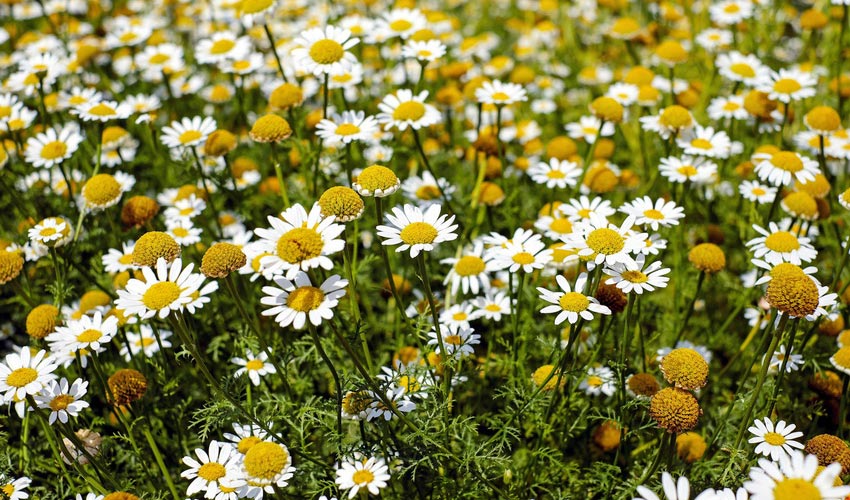
Chamomile (Matricaria chamomilla): Chamomile, a beloved herbal remedy, offers a range of benefits that can be enjoyed both internally and externally. When brewed as a tea, Chamomile serves as a soothing tonic for minor digestive discomforts, gently easing the stomach and promoting relaxation. Renowned for its multifaceted properties, this ancient herb acts as an aromatic ally, a potent anti-inflammatory, and a calming antispasmodic. It works wonders as a carminative, helping to alleviate gas and bloating, while also serving as a nervine that combats stress and tension, making it a staple in wellness routines. When used externally, Chamomile shines in a variety of applications, enhancing beauty and skincare regimens. It can be found in gentle hair washes and dyes, imparting a natural glow and shine to your locks. Additionally, its calming properties make it a go-to option for those with sensitive skin, effectively soothing sore spots and easing conditions like eczema. Among herbal enthusiasts, Chamomile is perhaps best recognised for its ability to provide therapeutic relief as a nervine tonic. Its calming effects promote tranquillity and a sense of well-being, making it an ideal companion for those navigating the complexities of daily life. In the realm of childcare, Chamomile essential oil from the flowers has emerged as a trusted remedy for diaper rash, offering gentle relief for delicate baby skin. To grow Chamomile in your garden, plant either seeds or cuttings in the spring, allowing them to thrive in areas that receive partial shade to full sunlight. Notably, Chamomile is a resilient plant that doesn’t require excessive watering; in fact, it flourishes best in soil that remains mostly dry.
Plantain (Plantago major): In the scenic landscapes of Colorado, the common plantain is often dismissed as just another weed. Yet, this humble plant is a powerhouse of medicinal benefits, providing remarkable anti-inflammatory, antibacterial, antimicrobial, emollient, and wound-healing properties. Rich in vitamins A, C, and K, Plantain offers far more than meets the eye. You might be surprised to learn that the leaves of Plantain can be eaten raw, revealing a surprisingly delightful flavour reminiscent of Swiss chard. In fact, these leaves are more nutritious than many traditional greens! However, if you’re seeking a smoother texture, cooking the leaves can enhance their culinary appeal. Beyond the kitchen, Plantain holds a revered place in traditional medicine. The leaves can be transformed into poultices to soothe a variety of ailments, effectively treating insect bites, snakebites, sunburns, and cuts. Many also brew Plantain into a soothing tea to help alleviate cold symptoms, making it a versatile ally in both culinary and medicinal realms. Plantain thrives in sunny spots, so choose a location that receives ample sunlight. This plant enjoys moisture-laden soil, yet be cautious to avoid overwatering, as too much moisture can be detrimental. For a healthy garden, space the plants about 4 to 6 inches apart to ensure adequate airflow and growth. Additionally, during colder spells, consider covering your plant to protect it from damage, allowing it to thrive season after season.
Elecampane (Inula helenium): Elecampane, a striking and robust perennial, serves as a magnificent vertical accent in any garden, reaching impressive heights and creating an eye-catching presence. This remarkable plant has clusters of vibrant, sunflower-like blooms that are not only visually captivating but also act as a magnet for a diverse array of pollinators, enhancing the biodiversity of your garden. Beyond its aesthetic appeal, Elecampane is revered for its extensive medicinal properties. This versatile herb is packed with benefits, showcasing expectorant, choleretic, cholagogue, antimicrobial, vermifuge, and diuretic qualities. For people seeking natural remedies, Elecampane offers a soothing tea made from its roots, which can be an effective ally in alleviating ailments such as colds, persistent coughs, asthma, and even loss of appetite. Additionally, it aids in combatting intestinal worms and digestive disturbances, making it a powerful addition to any herbal medicine cabinet. In the field of herbal preparations, decoctions and tinctures crafted from Elecampane’s roots can provide relief from respiratory symptoms, delivering comfort to those suffering from coughs and congestion. Not limited to internal applications, Elecampane can also be utilised externally as its healing properties extend to the skin, helping to alleviate conditions like eczema and itching, providing a natural approach to skincare. Elecampane thrives in partial sunlight and flourishes best in moist, well-drained soil, requiring minimal upkeep once established. With its resilient nature and perennial commitment to beauty, Elecampane promises to be a cherished plant in your green haven for years to come, combining practicality with stunning floral displays.
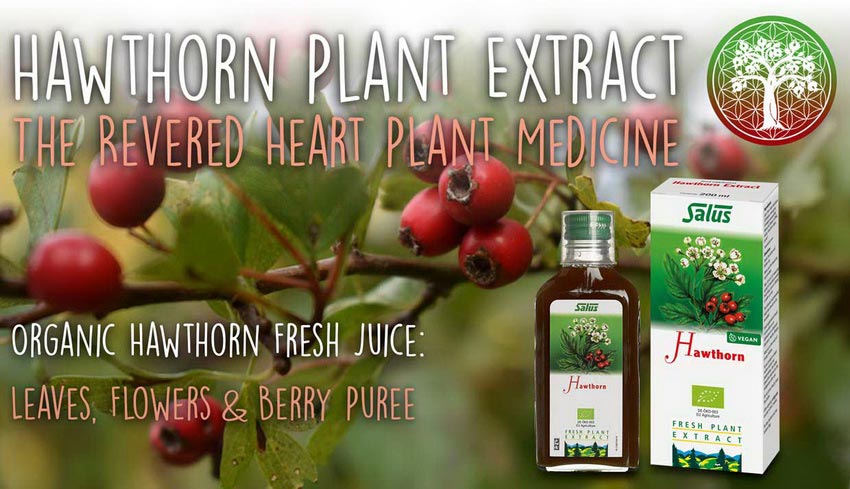
Hawthorn (Crataegus ambigua): The bark of the Hawthorn tree possesses remarkable astringent properties, making it a valuable ally in the battle against fevers. This incredible plant is not just limited to one function; it boasts an antispasmodic effect that soothes muscle spasms, a cardiac support mechanism that promotes heart health, a diuretic action that aids in the elimination of excess fluids, and a vasodilatory quality that enhances blood circulation. When it comes to cardiovascular wellness, Hawthorn stands out as an effective remedy, helping to combat heart weakness, alleviate spasms, and even reduce the occurrence of heart murmurs. Here you can order Pure Hawthorn Plant Juice Extract. Additionally, it plays a role in regulating blood pressure while serving as a gentle sedative for the nervous system, lending a calming influence to those who take advantage of its benefits. Due to its susceptibility to fire blight, it’s crucial to prune Hawthorn trees during the winter months, and remember to sterilise your tools between cuts to prevent the spread of disease. You can propagate Hawthorns from seeds or cuttings, with the added bonus that the berries tend to germinate swiftly. Once established, these robust plants require only minimal care, as hawthorns are known for their hardiness. As a fascinating bonus, Hawthorn trees often sprout additional growths around their base. You have the option to either prune these back or nurture them into separate plants, allowing you to expand your garden effortlessly.
English Lavender (Lavandula angustifolia “Vera”): Lavender stands out as a remarkable herb, celebrated not only for its enchanting aroma but also for a multitude of health benefits that can greatly enhance our well-being. Known for its analgesic properties, Lavender effectively alleviates pain, making it a natural remedy for various aches and discomforts. Its calming qualities extend further, acting as a potent antidepressant that lifts the spirits and fosters emotional balance. Beyond mental health, Lavender boasts antifungal and antiviral properties that help combat infections, while its antioxidant effects protect cells from damage caused by harmful free radicals. Lavender’s versatility doesn’t stop there; it serves as an aromatic element that elevates both culinary and therapeutic experiences. Its cholagogue action stimulates bile flow from the liver, promoting better digestion. Additionally, Lavender is celebrated for its cicatrisant properties, which aid the healing of wounds and the reduction of scars. One of its most treasured uses is as a natural sleep aid. To harness its calming effects, you can easily incorporate lavender into your bedtime routine. Consider brewing a soothing tea with Lavender combined with valerian or chamomile, or you might prefer to sprinkle a few drops of Lavender oil onto your sheets. For a more traditional approach, dried Lavender flowers can be sewn into a pillow, creating a fragrant haven conducive to deep, restful slumber. Furthermore, Lavender is particularly effective in alleviating headaches and migraines, providing a gentle yet impactful remedy. This variety thrives best in full sun and slightly alkaline soil. In summary, Lavender is not just a beautiful addition to gardens and home decor; it is a powerhouse of healing properties and a cherished ally for enhancing physical and mental health.
Peppermint (Metha x piperita): Peppermint, renowned for its remarkable antimicrobial properties, has become a staple for adventurous hikers traversing the wilderness. When drinking from natural streams, many choose to chew Peppermint leaves, harnessing their powerful ability to neutralise harmful microbes lurking in the water. This versatile herb goes beyond its refreshing flavour; it is classified as a choleretic, promoting bile secretion, while also serving as an antiseptic and invigorating tonic. Sipping tea brewed from Peppermint leaves provides a soothing remedy for ailments such as sore throats, coughs, and colds, offering comfort and relief during challenging times. This robust plant thrives best in bright, sunny spots with consistently moist soil, although it can adapt to partial shade. By ensuring your Peppermint receives ample sunlight, you’ll enhance its oil production, thereby amplifying its medicinal benefits. While some garden mints can be notoriously aggressive spreaders, Peppermint is relatively manageable and won’t overrun your garden. To promote bushy, compact growth, regularly harvest its lush leaves and stems, a practice that not only maintains its shape but also ensures a continual supply of this aromatic herb. The prime time for harvesting is just before and during the flowering period, allowing you to maximise both potency and flavour. With these tips, you can grow a thriving patch of Peppermint that delivers both healing properties and culinary delights.
Hyssop (Hyssopus officinalis): Hyssop, with its remarkable array of properties, stands out as a powerhouse in the sphere of herbal remedies. This aromatic herb is not only known for its astringent qualities and its ability to stimulate menstrual flow as an emmenagogue, but it also provides relaxant and diuretic effects that can benefit overall health. The herb’s soothing influence extends to respiratory ailments, making it an effective ally for alleviating sore throats and coughs. Additionally, Hyssop has garnered attention for its potential benefits in managing asthma, providing much-needed relief for those who suffer from breathing difficulties. Hyssop’s muscle-relaxing properties contribute to digestive health, helping to ease discomfort and promote a smoother digestion process. Furthermore, the herb exhibits impressive antibacterial characteristics, rendering it a formidable vermifuge that effectively helps expel intestinal parasites. Hyssop essential oil, while potent and medicinal, should be approached with caution due to its association with potential epileptic seizures. It’s essential to use this oil judiciously and under expert guidance. Hyssop thrives with minimal care; it doesn’t require excessive watering once established, only standard amounts to keep it flourishing. Optimal growth occurs in full sunlight, and gardeners will be pleased to note that, once mature, Hyssop is remarkably resilient against pests.
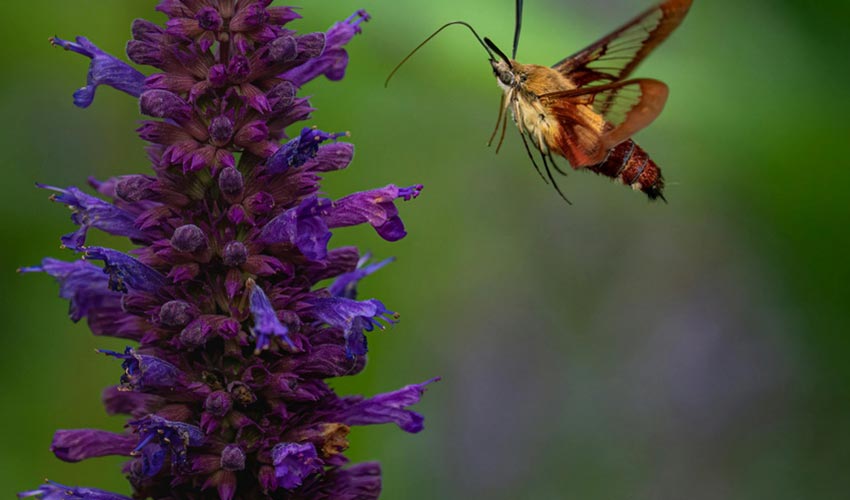
Aloe Vera (Aloe Vera): Aloe Vera, a succulent plant renowned for its range of medicinal benefits, has been cherished for centuries as a natural remedy for various ailments. Rich in vitamins, minerals, and soothing compounds, Aloe Vera is celebrated for its ability to hydrate the skin, accelerate wound healing, and alleviate digestive discomfort when consumed as a juice. Its anti-inflammatory properties make it a staple in home remedies for burns, cuts, and skin irritations, while its gel can be applied topically to reduce acne and enhance skin elasticity. Growing Aloe Vera is remarkably easy, as it thrives in well-draining soil and requires minimal watering, making it an ideal choice for both novice and experienced gardeners. Simply plant a healthy leaf or pup in a sunny spot, allow it to dry before watering, and watch as this resilient plant flourishes, providing a continuous supply of nature’s healing wonder for years to come.
Alfalfa (Medicago sativa): Alfalfa, often regarded as a super-food, boasts a plethora of medicinal benefits, primarily due to its rich nutritional profile, including vitamins A, C, E, K, and a variety of B vitamins, along with essential minerals like calcium, potassium, and iron. Traditionally used in herbal medicine for its purported ability to lower cholesterol, aid in blood sugar regulation, and support digestive health, alfalfa is also recognised for its high antioxidant content which may help combat oxidative stress. In culinary applications, the young sprouts are often added to salads and sandwiches, offering a fresh, nutty flavour. To grow Alfalfa, start by selecting a sunny location with well-draining soil; it thrives in slightly alkaline conditions. Soak the seeds overnight, then plant them about ¼ inch deep and 6 inches apart, ensuring consistent moisture during germination. With care, Alfalfa can flourish within just a few weeks, providing a bountiful harvest of nutrient-rich greens perfect for enhancing both health and culinary creations.
Asthma-Plant (Euphorbia hirta): This remarkable herb is celebrated for its potent medicinal benefits, particularly in the treatment of respiratory conditions such as asthma and bronchitis. Rich in phytochemicals, it possesses anti-inflammatory and bronchodilator properties that help alleviate symptoms by clearing airways and reducing mucus production. Traditionally used in herbal teas and tinctures, the leaves and stems are often brewed to create soothing remedies that enhance respiratory health. Cultivating Asthma-Plant is relatively straightforward; it thrives in well-drained soil and prefers a sunny location, making it ideal for home gardens. Simply start with seeds or cuttings in spring, water regularly, and watch as this resilient plant grows to a height of about 1-2 feet. Not only does it offer therapeutic advantages, but it also adds a lush aesthetic to any garden as a resilient and low-maintenance addition, fostering both health and beauty in outdoor spaces.
Black Cohosh (Actaea racemosa): Black Cohosh is a perennial herb native to North America, is revered for its medicinal properties, particularly in women’s health. Traditionally used to alleviate symptoms of menopause such as hot flashes and mood swings, it’s also known to support menstrual health and relieve pain associated with menstrual cycles. Beyond its hormonal benefits, Black Cohosh possesses anti-inflammatory and analgesic properties, making it a valuable natural remedy for various ailments. To cultivate this beneficial plant, grow it in well-drained, rich soil with partial to full shade, as it thrives in the understory of forests. Water it regularly, especially during dry spells, and be patient; while it may take a few years to establish, its beautiful white flower spikes and lush foliage not only enhance the garden but also yield a potent herbal remedy.
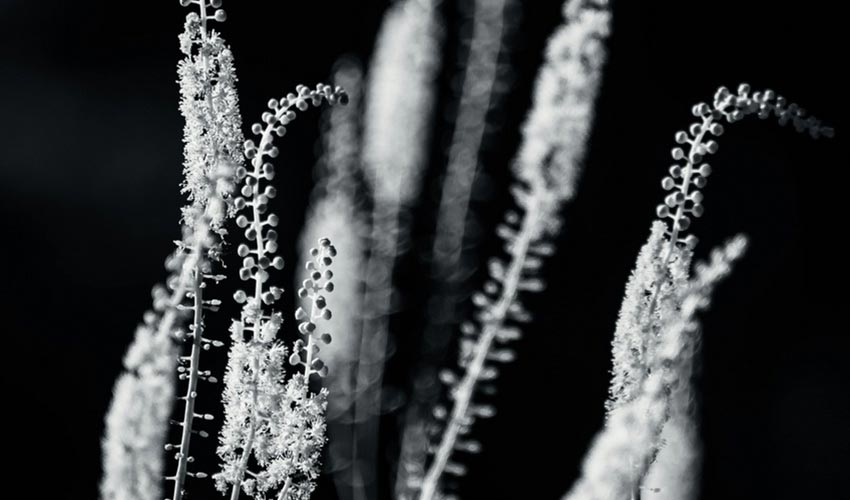
White Buttercup (Turnera subulata): White Buttercup, known for its delicate white flowers and glossy green leaves, boasts a variety of medicinal benefits that have been recognised in traditional herbal practices. Rich in compounds such as flavonoids and glycosides, it is often used to alleviate symptoms of respiratory issues, helping to soothe coughs and congestion. Additionally, its anti-inflammatory properties make it a valuable remedy for minor skin irritations and conditions. To grow White Buttercup, choose a well-drained location that receives partial shade, as it thrives in moist, rich soil. Propagation is typically achieved through seed sowing in the spring or early fall, allowing the plant to establish itself quickly. With regular watering to maintain soil moisture but avoiding waterlogging, this perennial can flourish and provide not only aesthetic beauty but also a bounty of health benefits.
Thyme (Thymus vulgaris): Thyme, a fragrant herb belonging to the mint family, is not only a culinary delight but also boasts a wealth of medicinal benefits. Known for its antibacterial, antifungal, and antiseptic properties, Thyme has been traditionally used to alleviate respiratory conditions, promote digestive health, and enhance immune function. Its essential oil contains thymol, a powerful compound that can help combat infections and support oral health. To cultivate Thyme, choose a sunny spot in your garden or a well-drained pot, as it thrives in full sunlight and prefers slightly dry conditions. Plant seedlings or seeds in nutrient-rich soil, spacing them appropriately to encourage airflow, and water them sparingly to avoid root rot. With minimal maintenance, Thyme will flourish, offering its aromatic leaves for teas, tinctures, and culinary creations while enriching your garden’s biodiversity.
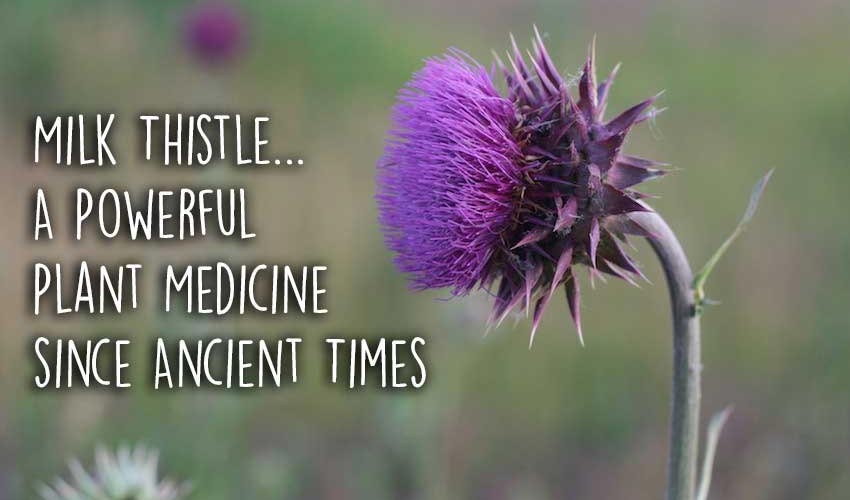
Milk Thistle (Silybum marianum). Milk Thistle is renowned for its myriad of medicinal benefits, primarily attributed to its active compound, silymarin, which acts as a potent antioxidant and anti-inflammatory agent. Traditionally used to support liver health, milk thistle aids in detoxification, protects against liver damage from toxins, and may even promote regeneration of liver cells. Additionally, it has shown potential in managing conditions like diabetes, promoting heart health, and alleviating symptoms of digestive disorders. Growing Milk Thistle is relatively straightforward; it thrives in sunny locations with well-drained soil and can be started from seeds in the spring. As a hardy biennial plant, it requires minimal care, making it an excellent addition to any medicinal herb garden. Simply provide consistent moisture and watch it flourish into a vibrant plant, showcasing striking purple flowers that not only attract pollinators but also hold great therapeutic value.
Certainly! The medicinal herbs and plants I’ve mentioned previously are the ones I feel most confident in discussing as we use them frequently. However, it’s important to recognise that the world of healing botanicals is vast and diverse, encompassing countless species, each with its unique therapeutic properties and historical significance in various cultures. From ancient traditions to contemporary herbal practices, the bounty of medicinal plants available to us is astounding. If you have knowledge of any additional medicinal plants that warrant inclusion, I would be eager to learn about them. Each herb brings with it a wealth of uses, insights, and healing modalities that can enrich our understanding of natural medicine. Your expertise could help broaden my perspective and enhance the conversation about the incredible potential of these botanical allies. Please feel free to share any recommendations or personal favourites that might complement the ones I’ve already highlighted. Together, we can deepen our appreciation for the healing power of plants and explore the myriad ways they can support our well-being.
“Soulful healing asks, while you are healing your body with herbs from Earth, that you look for the meaning in what is happening within your body as it relates to your whole being.” – Robin Rose Bennett