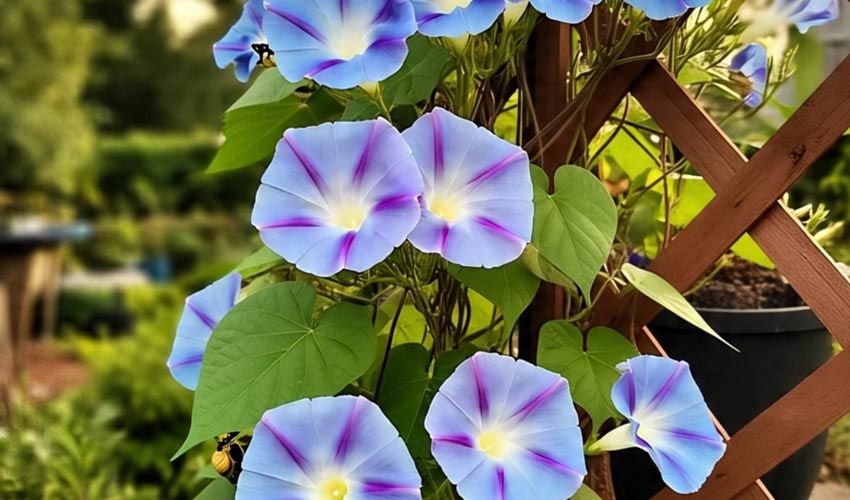
In my early twenties, I frequently immersed myself in the vibrant world of psychedelics, particularly LSD (Acid), during my exhilarating trips to Amsterdam. Those journeys remain etched in my memory, vivid and intoxicating. I vividly recall the kaleidoscope of colours that danced before my eyes, the way ordinary objects morphed and flowed into surreal forms, and music that transformed into a fluid, almost tangible entity, enveloping me in its embrace.
In my early twenties, I frequently immersed myself in the vibrant world of psychedelics, particularly LSD (Acid), during my exhilarating trips to Amsterdam. Those journeys remain etched in my memory, vivid and intoxicating. I vividly recall the kaleidoscope of colours that danced before my eyes, the way ordinary objects morphed and flowed into surreal forms, and music that transformed into a fluid, almost tangible entity, enveloping me in its embrace. Each experience was a profound exploration of consciousness that pushed the boundaries of my perception, expanding my mind in ways I had never imagined possible.
Recently, I stumbled upon a fascinating article discussing a mind-altering fungus that resides within morning glory seeds. This discovery piqued my interest, prompting me to delve deeper into the topic. Allow me to share a summary of what I unearthed about this intriguing subject. The world of psychedelic science has just welcomed an astonishing new revelation, courtesy of an unassuming source: morning glory seeds and a dedicated student at West Virginia University (WVU). In an age where pharmaceutical discoveries are often synonymous with towering billion-dollar laboratories and expansive corporate research facilities, it is truly remarkable how some of the most transformative breakthroughs can emerge quietly from the simplicity of a greenhouse.

Hidden beneath the unassuming seed coat of a common plant lies a remarkable and enigmatic fungus, a discovery that has perplexed scientists for years. This unexpected find could transform the landscape of mental health treatment, opening doors to innovative therapies for some of the most challenging psychological struggles we face today, including depression, PTSD, addiction, and more. This revelation serves as a powerful testament to the idea that pivotal advancements can emerge from the most unlikely sources. It challenges our preconceived notions of where scientific progress originates and encourages us to look beyond the familiar horizons of research and exploration. Just as nature often conceals its greatest treasures, so too does it invite us to rethink our understanding of healing and resilience. As we look closer at this fascinating fungus, we stand on the brink of a new era in mental health care, one that could significantly lighten the weight of suffering for countless people. The journey ahead is full of promise, urging us to embrace curiosity and creativity in the pursuit of solutions that have, until now, remained tantalisingly out of reach.
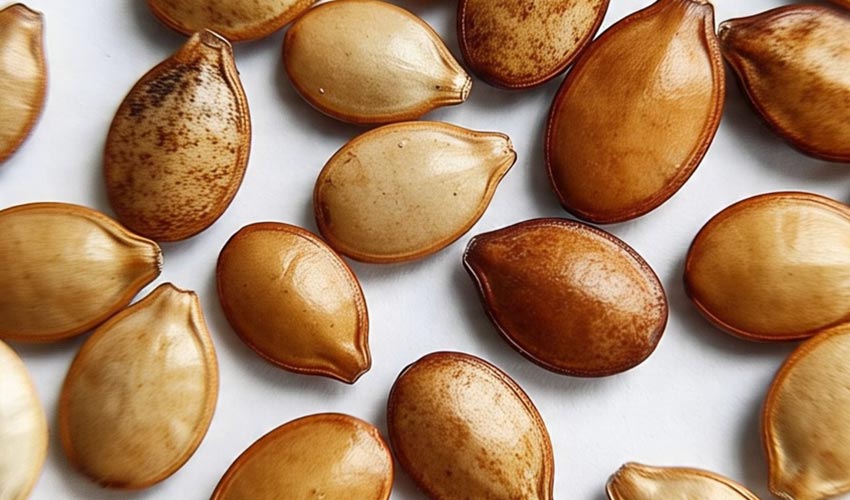
Exploring the Inner Structure of Morning Glory Seed Coats
Corinne Hazel, an ambitious environmental microbiology major hailing from Delaware, Ohio, was on the verge of a remarkable discovery, though she could not have anticipated it at the time. As a distinguished Goldwater Scholar and a dedicated researcher at West Virginia University’s esteemed Davis College of Agriculture and Natural Resources, she was deeply immersed in her work studying the movement of ergot alkaloids within morning glory plants, compounds that have significant ramifications for both the plant kingdom and human health. Collaborating closely with Professor Daniel Panaccione, Hazel was investigating whether these fascinating alkaloids, known primarily for their protective qualities in plants, could also be indicative of underlying fungal interactions. The pair had amassed an impressive collection of morning glory specimens in their lab, each one potentially harbouring clues to untold scientific mysteries. Then came what would prove to be a pivotal moment in their research. During a routine examination of the plants, Hazel’s keen observational skills led her to a peculiar finding. “Amidst the array of specimens we had, I noticed some tiny seed coats,” she recounted. “There was this odd fuzz within the seed coat, something we hadn’t seen before. That fuzz turned out to be our fungus.” This serendipitous discovery could lead to a deeper understanding of the relationship between these plants and their fungal associates, shedding light on a complex web of ecological interactions. Hazel’s moment of insight not only underscored the importance of meticulous observation in scientific research but also illustrated the potential for uncovering significant breakthroughs hidden in plain sight. As she delves deeper into this uncharted territory, Hazel stands on the brink of contributing vital knowledge to the field of environmental microbiology, an endeavour that may resonate far beyond the confines of her laboratory.
DNA Analysis Validates Discovery of New Fungal Species
In a ground-breaking endeavour to unravel the mysteries of the organism before them, researchers meticulously extracted DNA from the seed coat and dispatched it for advanced genome sequencing. This sophisticated analysis aimed to unveil the genetic signature of the peculiar fungus and ascertain whether it had ever been documented in scientific literature. When the results arrived, the revelation was exhilarating as they had unearthed an entirely new species. Hazel proudly named it Periglandula clandestina, a moniker that encapsulated the organism’s elusive character; for decades, it had thrived undetected in the shadows, obscured from the prying eyes of science. The DNA sequence has since been securely archived in a prestigious gene bank, establishing a permanent connection between Hazel’s name and this remarkable scientific milestone. “Sequencing a genome is a monumental achievement,” remarked Panaccione, his enthusiasm evident. “It’s an incredible opportunity for a student.” However, the significance of this discovery transcended its novelty. This unassuming fungus did more than merely add diversity to our understanding of the fungal kingdom; it was a vital piece that completed a complex puzzle in the world of psychedelics, a conundrum that had persisted for nearly a century. This tiny organism was not just another species; it held the potential to illuminate the intricate relationships within ecosystems and unlock secrets that could reshape our understanding of both the natural world and the compounds that influence consciousness.
Effects of Morning Glory Fungus & LSD
In the tumultuous era of the late 1930s, a remarkable scientific breakthrough emerged from the mind of Swiss chemist Albert Hofmann, who, through the innovative modification of ergot alkaloids, synthesised the hallucinogenic compound known as LSD. During his explorations, Hofmann made a captivating observation: morning glories appeared to possess similar psychedelic properties. Intrigued by this botanical enigma, he proposed that a yet-undiscovered fungus residing within these pretty flowers could be the source of such mind-altering compounds. For decades, however, the scientific community was stymied in its efforts to uncover the elusive organism that Hofmann envisioned. Morning glories boast significant concentrations of lysergic acid derivatives, which are responsible for their psychedelic effects. This evidence propelled Hofmann and his contemporaries to extensively research the mysterious world of morning glories, compelled by the notion that a fungal symbiont, akin to the notorious ergot fungus, might be hidden within. Their investigations yielded interesting results, unearthing chemicals strikingly similar to those Hofmann had synthesised, yet the enigmatic fungus itself remained undiscovered, shrouded in mystery. Now, after years of diligent research and profound inquiry, botanists Hazel and Panaccione have finally brought this long-standing scientific quest to a triumphant close. Their innovative findings, published in the esteemed journal Mycologia, not only validate Hofmann’s long-held suspicions but also reveal an astonishing truth: the fungal symbiont residing within morning glories is not only real but also plays a crucial role in synthesising these powerful alkaloids. In doing so, they shed light on an intricate relationship within nature, unlocking secrets that Hofmann and his generation could scarcely have imagined. This pivotal discovery not only honours the legacy of those who came before but also paves the way for a deeper understanding of the interconnectedness of fungi, plants, and the mind-altering compounds they produce.

From Hazardous to Healing
Ergot alkaloids boast a rich and intricate history, steeped in both peril and promise. These potent compounds are exclusively synthesised by certain fungi, primarily found lurking in grains such as rye and in plants like morning glory. While selected varieties pose serious health risks to humans and livestock, occasionally resulting in dire consequences, others have carved out a significant role in the medical landscape. For centuries, these alkaloids have been wielded as powerful tools in treating a range of conditions, notably in alleviating debilitating migraines, curbing dangerous uterine bleeding, and even addressing symptoms of Parkinson’s disease. Yet, the benefits come at a significant cost, as many of these treatments are accompanied by severe side effects that can compromise patient safety. Enter the recent spectacular discovery of Periglandula clandestina, a remarkable fungal species that may revolutionise the production of ergot alkaloids. This newly identified organism has demonstrated an impressive capacity to generate these compounds in both high quantities and with remarkable efficiency, presenting an exciting opportunity for researchers aiming to refine the applications of ergot alkaloids in medicine. The prospect of harnessing this newfound fungal model raises hopes for enhanced control over the production processes of these complex compounds, potentially minimising the risks associated with their use. As one expert aptly notes, “Many substances are inherently toxic. However, when administered in the correct dosage or modified appropriately, they can transform into valuable pharmaceuticals.” By delving deeper into the mechanisms of ergot alkaloids and employing state-of-the-art research techniques, scientists are poised to uncover strategies to mitigate the undesirable side effects that have historically plagued their use. This pivotal moment in research could address significant challenges faced in both medicine and agriculture, providing pathways not only for safer pharmaceutical interventions but also for innovative agricultural applications. With the promise that Periglandula clandestina offers, the future may just herald a new era in the safe and effective utilisation of ergot alkaloids, paving the way for treatments that harness their potential while minimising their risks.
Naming the Fungus
The name Periglandula clandestina was chosen with deliberate intention, capturing a rich history of scientific quest and intrigue. For years, researchers had been on a relentless pursuit of this elusive fungus, and its absence in the natural world was a source of great perplexity. What made it even more fascinating was its remarkable ability to remain hidden while simultaneously emitting distinctly identifiable chemical signals, amplifying the enigma surrounding it. “That’s absolutely the ideal name,” Panaccione remarked with enthusiasm. “Collaborating on this project has been incredibly rewarding. Corinne possesses extraordinary talent. This experience exemplifies how essential it is for students to recognise and seize opportunities, utilising their skills and intellect to transform ideas into tangible realities.” For Hazel, this endeavour transcended mere technical achievement or fortunate happenstance. It marked a significant milestone that validated her years of dedicated training, meticulous observation, and steadfast resilience. The impact of her work extends beyond her own success; it serves as an inspiring blueprint for fellow students. It demonstrates how keen observation and unwavering dedication can lead to profound scientific contributions, proving that the pursuit of knowledge, when fuelled by passion and diligence, can indeed make a difference in the world of science.
The Future of the Fungus – What’s on the Horizon?
Hazel’s journey of discovery is just beginning, as she immerses herself in the intricate process of cultivating Periglandula clandestina in the lab. This attempt is far from straightforward; the fungus is notoriously slow-growing and requires a delicate balance of specific environmental conditions to thrive. Yet, her determination remains unshaken. If she can unlock the secrets to its growth, it could pave the way for scientists to produce ergot alkaloids in highly controlled environments, heralding significant advancements in pharmaceutical research. But Hazel’s ambition doesn’t stop with this one remarkable fungus. She’s setting her sights even higher, contemplating the examination of various morning glory species. What if there are countless undiscovered fungi lurking within these plants? Each could be harnessing the potential to produce a wealth of powerful compounds, waiting silently for a curious mind to uncover them. She feels incredibly fortunate to have stumbled upon this opportunity. For years, researchers have been on the hunt for this particular fungus. Then one day, she just happened to look in the right place and there it was, right before her eyes. She takes immense pride in the work she has accomplished at WVU. Her serendipitous find serves as a poignant reminder that the seeds of scientific revolutions can sometimes be found in the most unexpected corners of nature. In this case, it all began with a simple bit of fuzz nestled within a seed coat and the relentless curiosity of a single determined student. Hazel’s story exemplifies how great discoveries can arise from the overlooked or the mundane, igniting a fire of innovation that might one day transform the scientific landscape.
“The world depends on fungi, because they are major players in the cycling of materials and energy around the world.” – E. O. Wilson