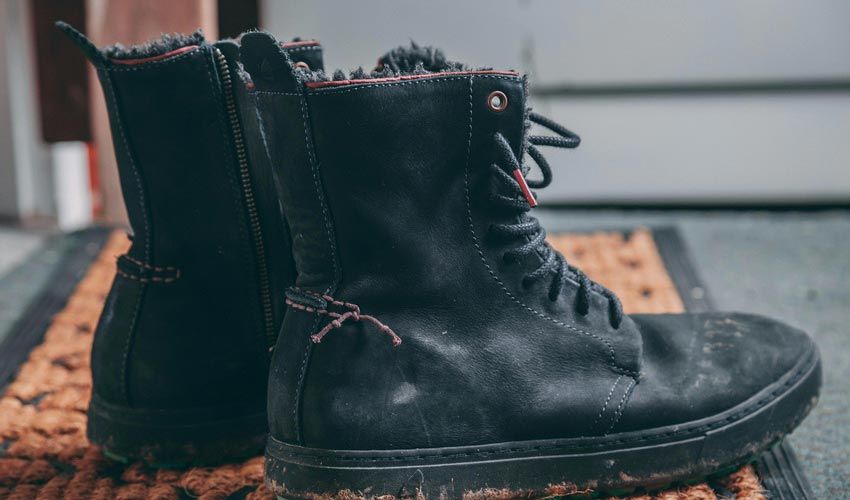
In Thailand, one of the deeply ingrained social customs is the practise of removing your shoes before entering someone’s home. This ritual extends beyond mere hospitality; it reflects a profound respect for cleanliness and the sacredness of personal space. When you step into a Thai household, you’re not just entering a physical space; you’re stepping into a sanctuary where barefootedness signifies both humility and reverence. But this customary practise doesn’t stop at private residences.
In Thailand, one of the deeply ingrained social customs is the practise of removing your shoes before entering someone’s home. This ritual extends beyond mere hospitality; it reflects a profound respect for cleanliness and the sacredness of personal space. When you step into a Thai household, you’re not just entering a physical space; you’re stepping into a sanctuary where barefootedness signifies both humility and reverence. But this customary practise doesn’t stop at private residences. When visiting certain establishments such as massage parlours or pharmacies, it is common etiquette to remove your shoes as well. This tradition underscores the importance of maintaining cleanliness within these spaces, where people seek healing and comfort. It is a small yet meaningful gesture that enhances the overall experience of those who enter.
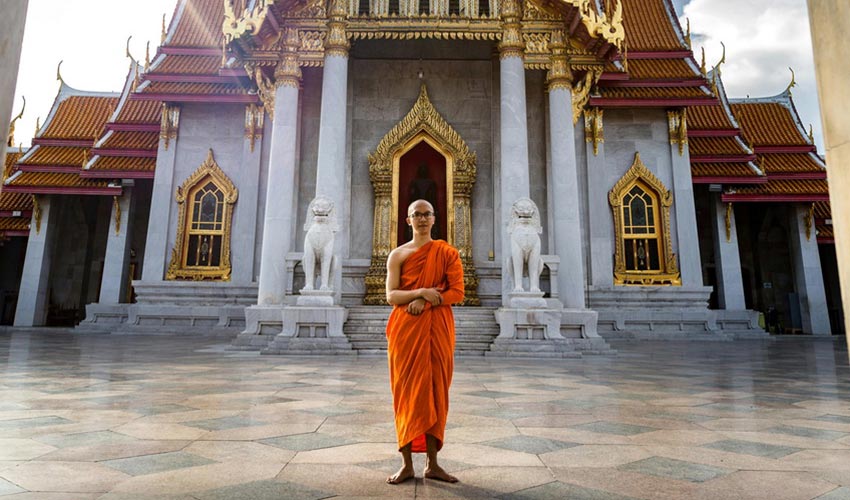
Moreover, there are places where the significance of shoe removal reaches an even higher level. For instance, when visiting a Buddhist temple, it becomes a matter of spiritual respect and reverence. Temples, which are sanctified spaces of reflection, prayer, and community, require that visitors leave behind not just their shoes, but also any lingering thoughts of the outside world. By shedding their footwear, people are symbolically embracing humility and respect for the sacredness of the space. Having lived in Thailand for over 25 years, this practise of shoe removal has long since felt like a second nature to me. It is a beautiful reflection of the Thai ethos, one that intertwines respect for tradition, cleanliness, and mindfulness. In a country where cultural customs are cherished, the act of removing one’s shoes transcends its practicality; it is a way to connect, to show gratitude, and to honour the spaces and the people we encounter. In embracing this tradition, one not only adheres to local customs but also gains a deeper appreciation for the values that underpin Thai society.
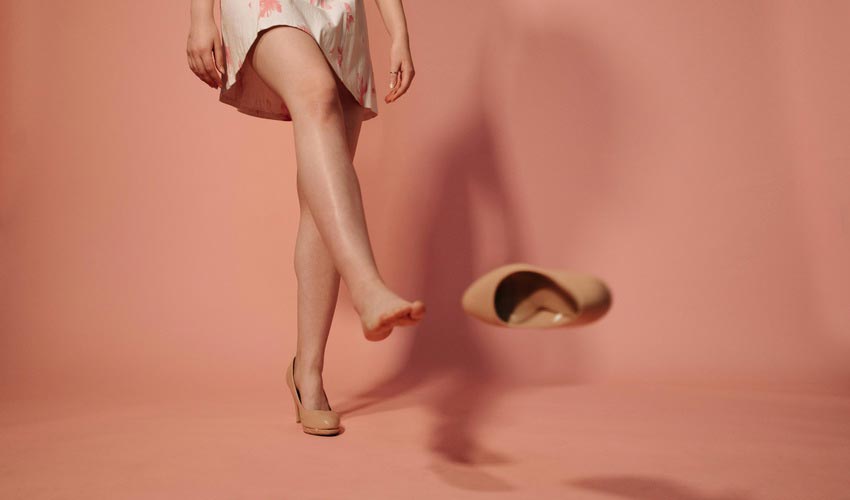
While this habit may seem merely practical or traditional, it encompasses a plethora of benefits that extend beyond the mere act of kicking off one’s shoes. In this article we will learn more about the reasons why it is a good habit to remove shoes before entering the house, highlighting health benefits, hygiene, cultural significance, and psychological comfort. It’s high time we embrace a simple yet transformative custom in the Western world: leaving our shoes at the door. This minor adjustment can have a profound impact on the health and cleanliness of our homes. Think about it: our shoes are exposed to countless surfaces, collecting dirt, allergens, and various germs every day. From the sidewalks we walk on to the public restrooms we may inadvertently step into, our footwear carries an array of substances that can transfer to our floors and carpets, affecting the air we breathe and the environment we live in. By adopting the practise of removing shoes upon entering a home, we take a pivotal step towards creating a healthier, more hospitable living space.
Inviting friends and family over doesn’t have to feel awkward. Instead, it can be an opportunity to communicate the importance of this small gesture for the well-being of everyone involved. A simple, friendly request like, “Please take your shoes off,” not only demonstrates consideration for the cleanliness of your home but also signals a commitment to health and hospitality. Most people will appreciate your thoughtfulness and gladly comply, understanding that it’s about more than just cleanliness as it’s about creating a sanctuary where everyone feels comfortable and at ease.
Imagine how much healthier and more inviting our homes could be if we all made this small effort! Dust, dirt, and allergens significantly diminish, creating a fresh and welcoming atmosphere. Plus, it’s a chance to encourage a sense of mindfulness and respect for personal space. After all, how often do we think about the hidden dangers and filth our shoes bring inside! So let’s make this shift together. Make it a customary practise to politely ask guests to leave their shoes at the door. It’s a simple change that pays dividends, fostering not only a cleaner home but also a culture of health and consideration. Your home deserves it, and so do your loved ones!
Health Benefits
Reduced Exposure to Germs & Allergens: Shoes are a common carrier of dirt, dust, and various pathogens. Studies have shown that the soles of shoes can harbour numerous bacteria and allergens, including E. coli and various fungi. By removing shoes at the door, you significantly reduce the risk of tracking these harmful substances into your home. This is particularly crucial for households with young children or people with compromised immune systems, where even minor exposure to pathogens can lead to severe health problems.
Minimised Allergens: Many people suffer from allergies triggered by dust mites, pollen, and pet dander. Shoes can collect these allergens from various environments, be it the outdoors or public spaces. By leaving them at the entrance, you create a cleaner indoor atmosphere which can help in minimising allergy symptoms and improving overall health.
Preventing Injuries: Walking around the house in shoes that are not specifically meant for indoor use can pose a safety risk. It is easier to slip or trip in footwear not designed for indoor comfort. Removing shoes helps in ensuring that you have better traction and stability, particularly as flooring varies from room to room.
Hygiene & Cleanliness
Maintaining a Clean Home: Shoes can track in mud, pesticides, pet droppings, and other debris from the outside. This practice can lead to increased cleaning efforts, such as vacuuming and mopping. By implementing a no-shoes policy, the overall cleanliness of your home improves significantly. You reduce the amount of dirt and mess that needs to be cleaned up, thereby increasing the longevity of your floors and carpets.
Encouraging Floor Maintenance: Homes with designated shoe removal often have better-maintained flooring. Less dirt means reduced wear and tear over time, allowing hardwood floors or delicate carpets to last longer. The investment in home decor and flooring can be safeguarded when proper care is taken.
Cultural Significance
Respect & Tradition: In many cultures, especially in Thailand, removing shoes before entering a home is viewed as a sign of respect toward the household and its inhabitants. It demonstrates an understanding of the cultural norms and fosters an atmosphere of courtesy. By adhering to this practice, guests show appreciation for the host’s living space and cultural beliefs, bridging connections through shared customs.
Creating a Warm Atmosphere: The act of removing shoes tends to create a more intimate and comfortable atmosphere. It signifies entry into a personal sanctum where comfort reigns. The time-honoured practice of leaving shoes at the door encourages guests to feel more at home, allowing for deeper conversations and a relaxed environment.
Psychological Comfort
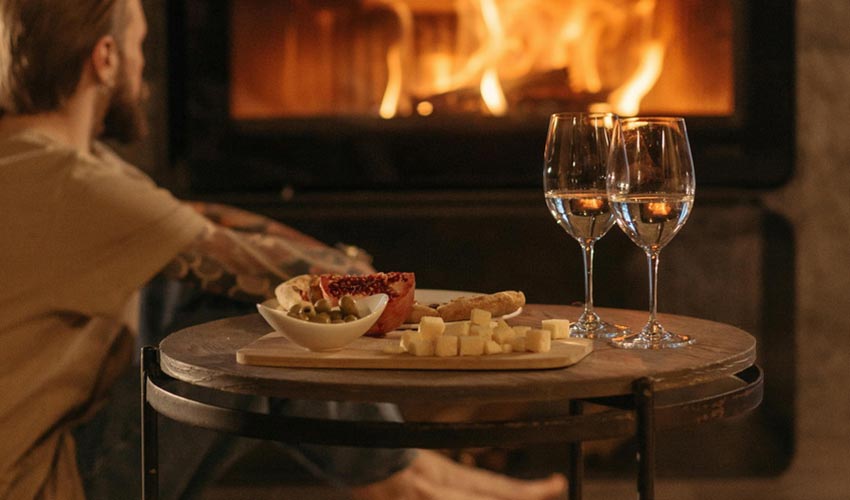
Separation of Spaces:Psychologically, removing shoes symbolises a transition. It differentiates the outside world, which can be chaotic and bustling, from the sanctuary of one’s home, fostering a sense of peace. This boundary can enhance relaxation and mindfulness, helping people detach from the stresses of the day.
Creating a Cosy Environment: Many people associate shoes with the outdoors, where dirt and grime abound. By removing them, you create a cosy, inviting environment. A house that smells fresh and is clean encourages relaxation and can even improve one’s mood and mental state.
Practical Steps for Implementing this Habit
Establish Clear House Rules: Make it known to family members and guests that shoes are to be removed before entering. A polite sign at the door can serve as a gentle reminder.
Provide Alternatives: Offer comfortable indoor footwear, such as slippers or sandals, for guests. This shows hospitality while maintaining cleanliness.
Lead by Example: Make it a family practice to remove shoes to encourage children to adopt this habit. Consistent behaviour often instils the best practises in children over time.
In a Nutshell
The habit of removing shoes before entering a home is not merely a cultural quirk but a practice steeped in health benefits, hygiene, cultural significance, and psychological comfort. With various well-documented advantages, it’s clear that this small act can lead to significant positive impacts on health, well-being, and personal interaction. By following this custom, not only do we honour the traditions of many cultures, including Thailand’s rich heritage, but we also foster a cleaner, more respectful, and warmer living environment. In a world where cleanliness and well-being are ever more critical, making the effort to take off our shoes is a healthy habit.
“A clean home is a reflection of a clean mind and a clear soul.” – Unknown