Last weekend, I found myself cocooned in a blanket, grappling with a stubborn cold that had settled in like an unwelcome guest. In search of solace amidst the sniffles, I turned to one of my favourite remedies: a steaming cup of rich, velvety hot chocolate. There’s something almost magical about that first sip; the warmth spreads through you, and the intoxicating aroma caresses your senses, whisking you away to a place of comfort and nostalgia. As I savoured the delectable elixir, a thought began to dance in my mind: “How is Peruvian Cacao Powder made?”
Last weekend, I found myself cocooned in a blanket, grappling with a stubborn cold that had settled in like an unwelcome guest. In search of solace amidst the sniffles, I turned to one of my favourite remedies: a steaming cup of rich, velvety hot chocolate. There’s something almost magical about that first sip; the warmth spreads through you, and the intoxicating aroma caresses your senses, whisking you away to a place of comfort and nostalgia. As I savoured the delectable elixir, a thought began to dance in my mind: “How is Peruvian Cacao Powder made?”
Intrigued by this question, I set aside my mug and embarked on a little exploration into the fascinating world of cacao production. It turns out that the journey from the lush, fertile lands of Peru to the silky powder that enhances our drinks and desserts is both intricate and awe-inspiring. Peruvian Criollo Cacao, celebrated for its rich taste and unique characteristics, originates from a blend of native and heirloom varieties, each with its own distinctive profiles. The process begins with the careful cultivation of cacao trees, typically found in the tropical rainforests of the Amazon. These trees flourish in the humid climate, nurtured by the rich, volcanic soil that is synonymous with the region.
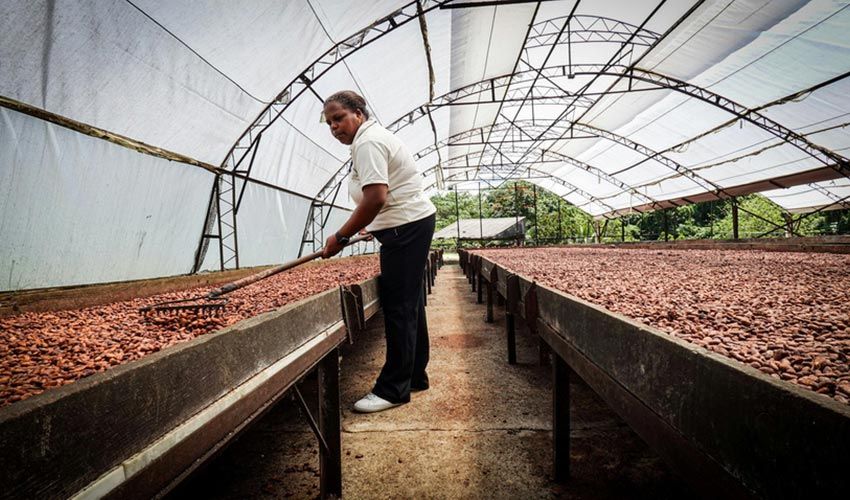
Once the cacao pods reach maturity, it’s time for the delicate process of harvesting. Skilled farmers use machetes to slice the pods from the trees, ensuring they don’t damage the delicate branches that could bear future fruit. The pods, which resemble oversized beans, encase a treasure trove of cacao beans surrounded by sweet, white pulp. This pulp is not only delicious but also plays a role in the initial fermentation process. Fermentation is a crucial step in developing the characteristic flavours of cacao. The harvested beans are placed in shallow containers, often lined with banana leaves, and covered to provide an ideal environment for fermentation. Over several days, natural yeasts and bacteria work their magic, transforming the beans’ flavours from harsh and bitter to complex and aromatic. This process also helps to loosen the outer husks of the beans.
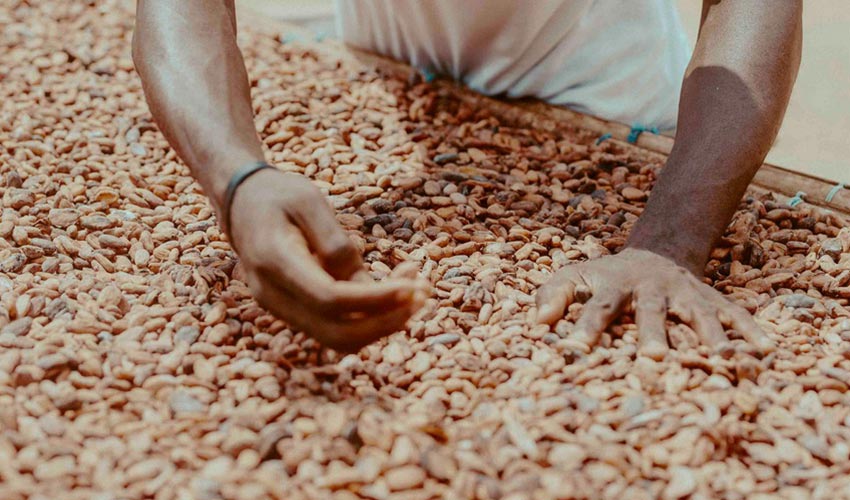
Once fermentation is complete, the beans are spread out to dry in the sun. This, too, is an art form; farmers must ensure the beans are turned regularly to prevent mould and guarantee a uniform drying process. The sun’s warm embrace allows the beans to develop an even deeper flavour profile. After drying, the cacao beans are ready for their next transformation. They are roasted at a carefully controlled temperature to bring out their enchanting aroma and rich taste. The roasting process is where the true alchemy happens, as the heat coax out the nuanced flavours hidden within each bean.
Once roasted, the beans are cracked open to extract the nibs, the coveted edible parts of the cacao. These nibs are then ground down into a silky paste known as chocolate liquor. Despite the name, there is no alcohol here; this luscious paste contains both cocoa solids and cocoa butter, the latter of which gives chocolate its smooth texture. To produce cacao powder, the next step involves pressing this chocolate liquor. This process extracts much of the cocoa butter, leaving behind a solid cake. This cake is then ground into a fine powder, creating the delectable cacao powder that we know and love.
As I returned to my comforting cup of hot chocolate, I couldn’t help but appreciate the journey that each sip had taken. From the verdant landscapes of Peru to the cosy atmosphere of my home, the process of creating cacao powder is a testament to the dedication and craftsmanship of the farmers and artisans involved. In each delicious drop, I could taste not just the rich flavour, but the history, culture, and artistry that make Peruvian cacao truly exceptional.
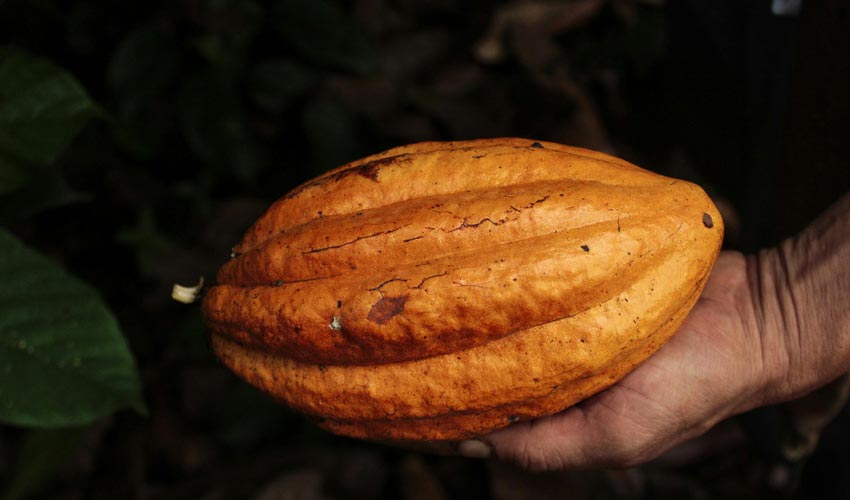
Cacao has long held a place of reverence in history and culture, especially within the ancient civilisations of Central and South America. Among various cacao varieties, Peruvian Raw Criollo Cacao stands out not only for its robust flavour and aroma but also for its impressive health benefits. This section delves into the unique qualities of Peruvian Criollo Cacao, its nutritional profile, the science behind its health benefits, and why it may be a superior choice for health-conscious people.
Understanding Peruvian Criollo Cacao
nPeruvian Criollo Cacao is one of the oldest and most prized cacao varieties in the world. Originating in the regions surrounding the Amazon and the Andes, Criollo is often considered a “fine-flavour” cacao due to its distinct taste, which can be characterised as floral, fruity, earthy, and complex. The cultivation process is labour-intensive, as Criollo beans are more susceptible to diseases and pests compared to other varieties such as Forastero.
The Cultivation Process
nPeruvian farmers often use sustainable practices to cultivate Criollo Cacao, emphasising biodiversity and ecological balance. This method not only preserves the environment but also contributes to the health benefits associated with the cacao. Cacao trees thrive in shaded areas, necessitating a diverse ecosystem that can enhance the nutritional content of the beans. This focus on organic farming tends to produce higher-quality cacao with fewer contaminants, an essential factor for health-conscious consumers.
Nutritional Profile of Peruvian Criollo Cacao
nPeruvian Criollo Cacao is packed with numerous nutrients that contribute to its status as a superfood:
- Flavonoids: Rich in flavonoids, especially epicatechin, Criollo Cacao offers potent antioxidant properties. Flavonoids help reduce inflammation and protect against oxidative stress by neutralising free radicals in the body.
- Minerals: This cacao variety is a significant source of essential minerals, including magnesium, zinc, copper, and iron. Magnesium is crucial for various bodily functions, including muscle and nerve function, while zinc is essential for immune health.
- Fibre: Peruvian Criollo Cacao is a good source of dietary fibre, which is important for digestive health and can help maintain a healthy weight.
- Healthy Fats: The fat content in cacao, primarily in the form of cocoa butter, consists mainly of stearic acid and oleic acid, both of which are considered heart-healthy fats. These fats may help improve cholesterol levels.
- Phenylethylamine (PEA): This compound, often referred to as the “love chemical,” can enhance mood and promote feelings of well-being.
Health Benefits of Peruvian Criollo Cacao
Due to its rich nutritional profile, Peruvian Criollo Cacao offers several health benefits:
- Heart Health: The flavonoids found in Criollo Cacao have beneficial effects on cardiovascular health. Research suggests that regular consumption can improve endothelial function, lower blood pressure, and reduce the risk of heart disease. The healthy fats present may also contribute to improved cholesterol levels, promoting overall heart health.
- Improved Mood & Mental Health: Cacao contains compounds that can enhance mood and cognitive function. The presence of phenylethylamine (PEA) and theobromine may boost serotonin levels, the brain’s feel-good chemical. Additionally, the antioxidants in cacao can help protect brain cells from oxidative stress, potentially lowering the risk of neurodegenerative diseases.
- Anti-Inflammatory Properties: Chronic inflammation is linked to various diseases, including arthritis and certain cancers. The antioxidants in Peruvian Criollo Cacao can help reduce inflammation, making it a useful addition to a diet aimed at combatting inflammatory conditions.
- Enhanced Athletic Performance: The flavonoids in cacao may improve circulation and oxygen delivery to muscles, potentially enhancing athletic performance. Many athletes use cacao products to aid recovery and improve endurance.
- Weight Management: Despite being a calorie-dense food, consuming dark chocolate made from high-quality cacao can actually support weight management. The fibre content promotes a feeling of fullness, potentially reducing overall calorie intake. Moreover, the healthy fats in cacao can support metabolic health.
- Skin Health: The antioxidants in cacao can also have positive effects on skin health. Research has suggested that the flavonoids in cacao can improve skin hydration, texture, and density, as well as protect against UV damage.
Creative Ways to Incorporate Peruvian Criollo Cacao into Your Diet
Smoothies & Shakes
nAdding Criollo cacao powder to smoothies is one of the easiest ways to enjoy its rich flavour and health benefits. Here’s a simple recipe:
*Chocolate Banana Smoothie*
Ingredients:
- 1 ripe banana
- 1 tablespoon Ancient Purity Peruvian Criollo Cacao Powder
- 1 cup almond milk (or any milk of your choice)
- 1 tablespoon of nut butter (almond or peanut)
- 1 tablespoon honey or maple syrup (optional)
Instructions:
- Combine all ingredients in a blender.
- Blend until smooth and serve chilled.
Baking Delights
nIncorporate Ancient Purity Criollo Cacao Powder into your baking recipes for desserts that are both delicious and nutritious. Whether you’re making brownies, cakes, or cookies, the addition of this cacao will enhance the depth of flavour.
*Cacao Brownies Recipe*
Ingredients:
- 1 cup almond flour
- 1/2 cup coconut sugar
- 1/3 cup melted Cold-Pressed Extra Virgin Coconut Oil
- 3 tablespoons Peruvian Criollo cacao powder
- 2 eggs
- 1 teaspoon vanilla extract
- 1/4 teaspoon Ancient Purity Celtic Sea Salt
Instructions:
- Preheat the oven to 350°F (175°C) and grease an 8×8-inch baking dish.
- In a large bowl, mix all ingredients until well combined.
- Pour the batter into the prepared dish and bake for 20-25 minutes or until a toothpick comes out clean.
- Allow to cool before cutting into squares.
Elevate Your Morning Routine
nConsider adding Criollo cacao to your breakfast routine. Whether sprinkled on oatmeal, mixed into Greek yogurt, or blended into pancakes, it can create a delightful morning experience.
*Cacao Overnight Oats*
Ingredients:
- 1/2 cup rolled oats
- 1 tablespoon Peruvian Criollo cacao powder
- 1 cup almond milk
- 1 tablespoon chia seeds
- 1 tablespoon honey or maple syrup
- Toppings: sliced banana, nuts, and seeds
Instructions:
- In a jar, combine all ingredients and stir well
- Cover and refrigerate overnight
- In the morning, stir and top with desired toppings before serving.
Savoury Dishes
nCacao is typically associated with sweets, but it can also add depth and complexity to savoury dishes. Here are a few recipes that incorporate cacao in a savoury context:
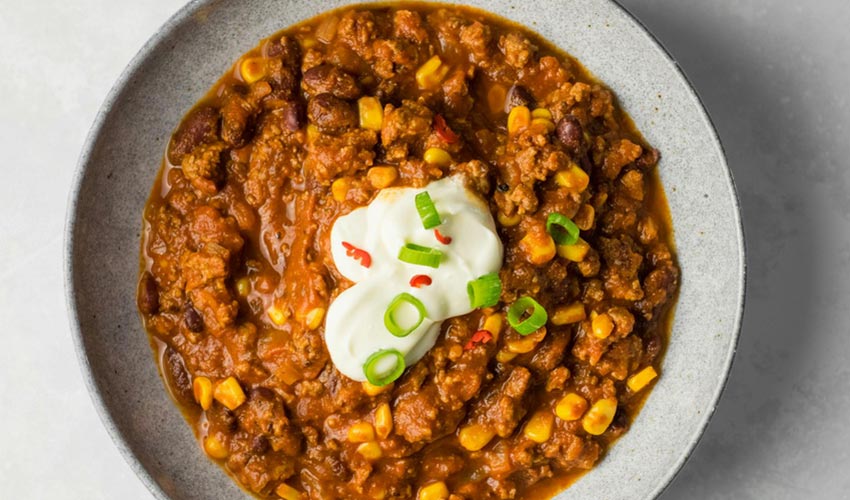
*Cacao Chilli*
Ingredients:
- 1 lb ground beef (or turkey)
- 1 onion, diced
- 2 cloves garlic, minced
- 1 bell pepper, diced
- 1 can (14 oz) diced tomatoes
- 1 can (15 oz) kidney beans, drained and rinsed
- 1 can (6 oz) tomato paste
- 2 tbsp Ancient Purity Cacao Powder
- 2 tbsp chilli powder
- 1 tsp cumin
- Salt and pepper to taste
- 1 cup Ancient Purity Beef Broth (or vegetable broth)
- Extra Virgin Olive oil
Instructions:
- Heat olive oil in a large pot over medium heat
- Add the onion and garlic, sautéing until translucent
- Add the ground meat and cook until browned
- Stir in the bell pepper and cook for another 3-4 minutes.
- Add the diced tomatoes (with juice), kidney beans, tomato paste, cacao powder, chilli powder, cumin, salt, and pepper
- Pour in the broth and bring to a simmer
- Reduce heat and let it cook for at least 30 minutes, stirring occasionally
- Adjust seasoning as necessary and serve hot
*Savoury Cacao-Rubbed Pork Chops*
Ingredients:
- 4 pork chops
- 2 tbsp cacao powder
- 1 tbsp smoked paprika
- 1 tbsp brown sugar
- 1 tsp garlic powder
- 1 tsp onion powder
- 1 tsp Ancient Purity Celtic Sea Salt
- 1/2 tsp black pepper
- Olive oil for cooking
Instructions:
- In a small bowl, mix together cacao powder, smoked paprika, brown sugar, garlic powder, onion powder, Celtic Salt, and black pepper
- Rub the spice mix generously over the pork chops
- Heat olive oil in a skillet over medium-high heat
- Cook the pork chops for about 4-5 minutes on each side, or until they are cooked through and have a nice sear
- Let the pork chops rest for a few minutes before serving
*Cacao Mole Sauce*
Ingredients:
- 2 tbsp Ancient Purity Extra Virgin Coconut Oil
- 1 onion, chopped
- 2 cloves garlic, minced
- 1-2 chipotle peppers in adobo sauce (to taste)
- 1 tbsp Ancient Purity Criollo Cacao Powder
- 1 tbsp ground cumin
- 1 tbsp ground cinnamon
- 2 cups chicken broth
- 1 tbsp Ancient Purity Apple Cider Vinegar
- Celtic Salt to taste
- 1 tbsp honey (optional)
Instructions:
- In a saucepan, heat coconut oil over medium heat
- Add the chopped onion and garlic and sauté until soft
- Add the chipotle peppers, cacao powder, cumin, and cinnamon
- Sauté for an additional 2-3 minutes
- Pour in the chicken broth and bring to a simmer
- Add apple cider vinegar and salt
- If desired, stir in honey for sweetness
- Let the sauce simmer for about 15-20 minutes, then blend until smooth if desired
- Serve over grilled chicken, enchiladas, or roasted vegetables
*Cacao Mushroom Risotto*
Ingredients:
- 1 cup Arborio rice
- 4 cups vegetable broth
- 1 cup mushrooms, chopped
- 1 onion, finely chopped
- 2 cloves garlic, minced
- 2 tbsp cacao nibs
- 1/2 cup grated Parmesan cheese
- 2 tbsp olive oil
- Salt and pepper to taste
- Fresh herbs for garnish (e.g. parsley or thyme)
Instructions:
- In a saucepan, heat vegetable broth over low heat
- In a large skillet, heat olive oil over medium heat
- Sauté onions and garlic until translucent
- Add the mushrooms and cook until soft
- Stir in the Arborio rice and toast for about 1-2 minutes
- Slowly add the warm broth, one ladle at a time, stirring continuously until absorbed
- Repeat until the rice is creamy and al dente (about 18-20 minutes)
- Stir in cacao nibs and Parmesan cheese
- Season with salt and pepper
- Garnish with fresh herbs before serving
These dishes highlight how cacao can enhance savoury flavours, adding richness and a unique twist. Enjoy experimenting with these recipes!
“Cacao has the highest antioxidant concentration of any major food in the world. Cacao is thirty times higher in antioxidants than red wine, twenty times more potent in antioxidants than blueberries, three times higher than acai, and twice as much as chaga mushrooms. These antioxidants protect our cells from free radical damage and therefore contribute to our longevity and state of well-being.” – David Wolfe