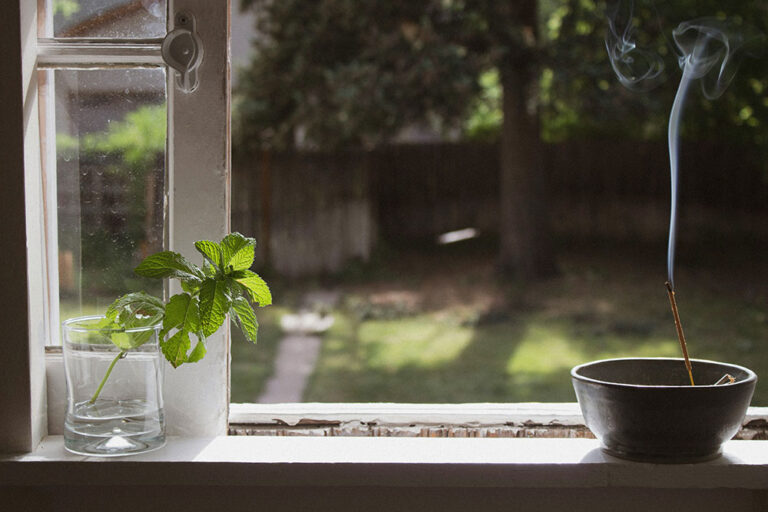
As December rolls around, a familiar sight in many Western homes is the flickering glow of aromatic candles, adding a touch of cosy Christmas magic to the air. However, here in Thailand, a different tradition takes centre stage as incense sticks are lit and placed in ghost houses to invite good luck and appease the spirits. The scent of burning (low-quality) incense wafts through the air, sometimes affecting my breathing as I work.
As December rolls around, a familiar sight in many Western homes is the flickering glow of aromatic candles, adding a touch of cosy Christmas magic to the air. However, here in Thailand, a different tradition takes centre stage as incense sticks are lit and placed in ghost houses to invite good luck and appease the spirits. The scent of burning (low-quality) incense wafts through the air, sometimes affecting my breathing as I work. But, that’s just the way things are in Thailand. Now, let’s shift our focus to the importance of indoor air quality during the festive season. At the end of this article I’ll share with you the healthier, chemical-free options that are available for enjoying home fragrances.
As I said above, as winter descends upon us, there is a nostalgic desire to transform our homes into cosy and festive havens with the use of enchanting home fragrances. The scents of gingerbread, cinnamon, and pine-infused candles, along with the exotic aromas of frankincense and myrrh exuding from diffusers, play a vital role in creating the perfect Christmas ambience. It comes as no surprise that the UK’s home fragrance market has seen an astonishing surge in popularity, generating an impressive revenue of $685.5 million in 2023. Yet, amidst the aromatic bliss, one cannot help but ponder, could these fragrant products be compromising the air quality within our homes? And what impact are they having on our health?
Fragrances Conceal More Than Just Smells
In an attempt to disguise unpleasant smells and enhance the atmosphere of our homes, we often rely on scented candles, air fresheners and incense sticks. However, despite their intentions, these products fail to eliminate harmful indoor pollutants. A recent study has shed light on the potential risks associated with using these fragrances, suggesting that they could actually worsen the quality of the air we breathe. The research, which focused on Irish households following energy retrofits, found that the combination of home fragrances, smoking and blocked wall vents can have a detrimental impact on indoor air quality. This means that when scented candles are used in rooms with windows closed and vents blocked our exposure to air pollutants increases significantly. In fact, the concentration of fine particles in the air can increase up to 15 times higher than the limits recommended by the World Health Organization, particularly in poorly ventilated areas. It can take a considerable amount of time for these levels to return to normal, posing a risk to your health.
Avoid Being Immersed in a Whirlpool of Chemicals
When you burn certain candles or incense sticks, a multitude of chemicals and particulates are released into the air. These include harmful gases such as carbon monoxide, sulphur dioxide, and nitrogen oxides. In addition, household fragrances dispense noxious volatile organic compounds (VOCs) alongside particulate matter that can lead to symptoms such as coughing, sneezing, and irritation of the eyes, nose, throat, and lungs. Continuous inhalation of these substances increases the likelihood of developing severe health problems like heart disease, lung cancer, and chronic bronchitis. Moreover, people with pre-existing conditions such as asthma may find their symptoms worsened by these airborne pollutants.
Finding Your Way Through the Fragrant Labyrinth
As per the findings of the researchers, scented candles are likely to emit a higher level of fine particulate matter in comparison to unscented ones. Nitrogen oxides, the main gaseous pollutant released by scented candles, can have detrimental effects on our respiratory system and lungs. In the United States and the European Union, manufacturers are not required to disclose all the ingredients used in scented candles. Studies indicate that less than 10% of the ingredients in home fragrances are made public in the U.S. Air fresheners containing chemicals have been associated with various health issues such as migraines, asthma attacks, and skin irritation. Furthermore, home fragrance products may release harmful organic compounds including benzene, phthalates, and formaldehyde, which are known carcinogens. Short-term exposure to candle smoke and long-term exposure to incense smoke have been linked to a decline in cognitive function.
Indoor Air Quality & Home Fragrances
Research indicates that low-quality incense sticks can release up to four times more particulate matter compared to cigarettes of equal weight when burned. Furthermore, in households where smoking is prohibited, the use of candles can potentially contribute significantly to particulate matter pollution. Aerosol air fresheners are also a notable source of indoor air pollution, as they introduce fine and ultrafine particles, along with a variety of volatile organic compounds (VOCs) into the air. Moreover, the flickering flame of a candle can produce larger particles and increase black carbon emissions, further compromising indoor air quality. The act of using scented candles or air fresheners in enclosed spaces such as bathrooms or bedrooms exposes people to heightened concentrations of these pollutants, consequently elevating health risks. Particularly in areas with inadequate ventilation, dangerous levels of pollutants like formaldehyde can accumulate, leading to potential upper airway irritation. It is essential to be mindful of the products we use to fragrance our homes, as they can have a significant impact on the quality of the air we breathe indoors.
Misconceptions Surrounding Natural Fragrances – A Closer Look at Safety
In a quest to steer clear of harmful chemicals, many consumers turn to home fragrances crafted from natural ingredients. However, what may come as a surprise is that even these seemingly benign options can emit high levels of pollution when burned. As the demand for home fragrances continues to soar, it becomes increasingly urgent to delve deeper into their potential long-term effects on both air quality and human health. The true repercussions of prolonged exposure to these scents may only manifest after years have passed.
For aficionados of home fragrances, there exist measures to savour these products more safely. Experiment with using them in well-ventilated, larger spaces such as the living room, and remember to keep windows open to promote air circulation. Prioritise ensuring that your home’s vents remain unobstructed, especially in areas where you intend to light scented candles. An essential point to remember is that a significant portion of candle smoke is released upon extinguishing the flame. To err on the side of caution, always snuff out candles in outdoor settings. Amidst a world adorned with an array of home fragrances, it becomes increasingly crucial to comprehend their impact on indoor air quality. By being mindful of the potential risks and adopting safer practices, we can continue to enjoy these scents while safeguarding our well-being and surroundings.
Navigating the World of Scented Delights with Health in Mind
Choosing a real Christmas tree with roots over an artificial one brings the enchanting spirit of nature into your home, creating a more authentic holiday experience. The delightful scent of fresh pine instantly transforms your space, evoking cherished memories and a warm ambiance that artificial trees simply cannot replicate. Beyond its aromatic charm, a living tree contributes to a healthier environment by absorbing carbon dioxide and releasing oxygen, making your festive choice a more sustainable one. Additionally, a real tree fosters a deeper connection to the season, as families often engage in the tradition of selecting and caring for their tree, nurturing it as it grows. Once the holidays are over, you can plant your tree in the yard, allowing it to continue thriving and serving as a lasting reminder of joyful celebrations, while artificial trees, often made from non-biodegradable materials, contribute to landfill waste. Embracing a living Christmas tree not only enhances the beauty and authenticity of your holiday celebrations but also encourages a more eco-conscious lifestyle. Enjoy the Holiday Season! “Smell is a potent wizard that transports you across thousands of miles and all the years you have lived.” – Helen Keller
nFinally I would like to say that the shift towards safe and sustainable alternatives to traditional home fragrances is not only beneficial for our health but also for the planet. By choosing natural ingredients and eco-friendly practices, we can create a fragrant home environment that promotes well-being and sustainability. Whether through essential oils, beeswax candles, or DIY solutions, there are countless ways to enjoy delightful scents without compromising our health or the environment. Embrace these alternatives and transform your home into a fragrant sanctuary that aligns with your values of health and sustainability. Oh! I almost forgot! As it is almost Christmas, read the paragraph below as well.Get a Real Christmas Tree